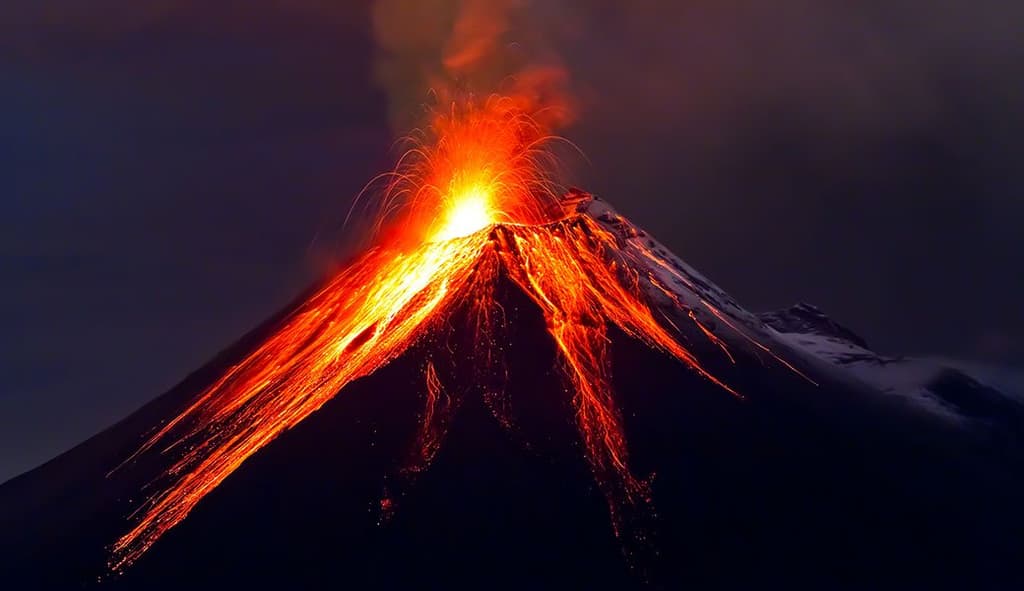
Global Volcanic Explosivity Index records show VEI ≥4 events, defined by at least 0.1 cubic kilometers of tephra and eruption plumes exceeding 10 kilometers, occur at a long-term average rate of roughly 0.6 per year. Through mid-May 2026, Smithsonian Institution and USGS monitoring confirms zero such eruptions amid 47 smaller confirmed events worldwide, keeping the zero-outcome market at the forefront. Ongoing unrest at systems including Kīlauea, Popocatépetl, and Aira has produced only sub-threshold ash plumes and lava activity without the required ejecta volume. Unpredictable magmatic recharge could still trigger escalation before year-end, but current observations align with the historical pattern of infrequent large eruptions.
Ringkasan eksperimental yang dihasilkan AI dengan referensi data Polymarket. Ini bukan saran trading dan tidak berperan dalam bagaimana pasar ini diselesaikan. · DiperbaruiBerapa banyak letusan gunung berapi besar (VEI ≥4) pada tahun 2026?
Berapa banyak letusan gunung berapi besar (VEI ≥4) pada tahun 2026?
0 61%
1 35%
2 4.0%
3 <1%
$1,079,772 Vol.
$1,079,772 Vol.
Dec 31, 2026
0
61%
1
35%
2
4%
3
1%
4
<1%
5+
<1%
0 61%
1 35%
2 4.0%
3 <1%
$1,079,772 Vol.
$1,079,772 Vol.
Dec 31, 2026
0
$477,410 Vol.
61%
1
$260,299 Vol.
35%
2
$32,241 Vol.
4%
3
$26,240 Vol.
1%
4
$24,765 Vol.
<1%
5+
$258,817 Vol.
<1%
This market will resolve according to the number of natural volcanic eruptions with a Volcanic Explosivity Index (VEI) of 4 or higher between January 1 and December 31, 2026, 11:59 PM ET.
The primary resolution source will be the Smithsonian Institution Global Volcanism Program (GVP: https://volcano.si.edu/), specifically the cumulative figures for 2026 for VEI 4, VEI 5, and VEI 6 released on the page currently titled "Eruptions Avg 2000-2024 (N/T)" (https://volcano.si.edu/faq/index.cfm?question=eruptionsbyyear) as of March 31, 2027, 12 PM ET. Any prior updates will not be considered finalized.
If this dataset has not been updated to include all relevant events by March 31, 2027, or if the Smithsonian GVP becomes permanently unavailable, this market may resolve based on a consensus of credible scientific sources, including the U.S. Geological Survey (USGS), national or regional volcanic observatories, or credible reporting of a scientific consensus.
Note: Smithsonian Institution Global Volcanism Program databases, which include eruptions that reached the relevant threshold prior to this market’s timeframe (e.g., https://volcano.si.edu/faq/index.cfm?question=eruptionsbyyear&checkyear=2025), will not be considered.Global Volcanic Explosivity Index records show VEI ≥4 events, defined by at least 0.1 cubic kilometers of tephra and eruption plumes exceeding 10 kilometers, occur at a long-term average rate of roughly 0.6 per year. Through mid-May 2026, Smithsonian Institution and USGS monitoring confirms zero such eruptions amid 47 smaller confirmed events worldwide, keeping the zero-outcome market at the forefront. Ongoing unrest at systems including Kīlauea, Popocatépetl, and Aira has produced only sub-threshold ash plumes and lava activity without the required ejecta volume. Unpredictable magmatic recharge could still trigger escalation before year-end, but current observations align with the historical pattern of infrequent large eruptions.
This market will resolve according to the number of natural volcanic eruptions with a Volcanic Explosivity Index (VEI) of 4 or higher between January 1 and December 31, 2026, 11:59 PM ET.
The primary resolution source will be the Smithsonian Institution Global Volcanism Program (GVP: https://volcano.si.edu/), specifically the cumulative figures for 2026 for VEI 4, VEI 5, and VEI 6 released on the page currently titled "Eruptions Avg 2000-2024 (N/T)" (https://volcano.si.edu/faq/index.cfm?question=eruptionsbyyear) as of March 31, 2027, 12 PM ET. Any prior updates will not be considered finalized.
If this dataset has not been updated to include all relevant events by March 31, 2027, or if the Smithsonian GVP becomes permanently unavailable, this market may resolve based on a consensus of credible scientific sources, including the U.S. Geological Survey (USGS), national or regional volcanic observatories, or credible reporting of a scientific consensus.
Note: Smithsonian Institution Global Volcanism Program databases, which include eruptions that reached the relevant threshold prior to this market’s timeframe (e.g., https://volcano.si.edu/faq/index.cfm?question=eruptionsbyyear&checkyear=2025), will not be considered.
The primary resolution source will be the Smithsonian Institution Global Volcanism Program (GVP: https://volcano.si.edu/), specifically the cumulative figures for 2026 for VEI 4, VEI 5, and VEI 6 released on the page currently titled "Eruptions Avg 2000-2024 (N/T)" (https://volcano.si.edu/faq/index.cfm?question=eruptionsbyyear) as of March 31, 2027, 12 PM ET. Any prior updates will not be considered finalized.
If this dataset has not been updated to include all relevant events by March 31, 2027, or if the Smithsonian GVP becomes permanently unavailable, this market may resolve based on a consensus of credible scientific sources, including the U.S. Geological Survey (USGS), national or regional volcanic observatories, or credible reporting of a scientific consensus.
Note: Smithsonian Institution Global Volcanism Program databases, which include eruptions that reached the relevant threshold prior to this market’s timeframe (e.g., https://volcano.si.edu/faq/index.cfm?question=eruptionsbyyear&checkyear=2025), will not be considered.
Pasar Dibuka: Jan 2, 2026, 1:48 PM ET
Volume
$1,079,772Tanggal Berakhir
Mar 31, 2027Pasar Dibuka
Jan 2, 2026, 1:48 PM ETResolver
0x2F5e3684c...This market will resolve according to the number of natural volcanic eruptions with a Volcanic Explosivity Index (VEI) of 4 or higher between January 1 and December 31, 2026, 11:59 PM ET.
The primary resolution source will be the Smithsonian Institution Global Volcanism Program (GVP: https://volcano.si.edu/), specifically the cumulative figures for 2026 for VEI 4, VEI 5, and VEI 6 released on the page currently titled "Eruptions Avg 2000-2024 (N/T)" (https://volcano.si.edu/faq/index.cfm?question=eruptionsbyyear) as of March 31, 2027, 12 PM ET. Any prior updates will not be considered finalized.
If this dataset has not been updated to include all relevant events by March 31, 2027, or if the Smithsonian GVP becomes permanently unavailable, this market may resolve based on a consensus of credible scientific sources, including the U.S. Geological Survey (USGS), national or regional volcanic observatories, or credible reporting of a scientific consensus.
Note: Smithsonian Institution Global Volcanism Program databases, which include eruptions that reached the relevant threshold prior to this market’s timeframe (e.g., https://volcano.si.edu/faq/index.cfm?question=eruptionsbyyear&checkyear=2025), will not be considered.Global Volcanic Explosivity Index records show VEI ≥4 events, defined by at least 0.1 cubic kilometers of tephra and eruption plumes exceeding 10 kilometers, occur at a long-term average rate of roughly 0.6 per year. Through mid-May 2026, Smithsonian Institution and USGS monitoring confirms zero such eruptions amid 47 smaller confirmed events worldwide, keeping the zero-outcome market at the forefront. Ongoing unrest at systems including Kīlauea, Popocatépetl, and Aira has produced only sub-threshold ash plumes and lava activity without the required ejecta volume. Unpredictable magmatic recharge could still trigger escalation before year-end, but current observations align with the historical pattern of infrequent large eruptions.
This market will resolve according to the number of natural volcanic eruptions with a Volcanic Explosivity Index (VEI) of 4 or higher between January 1 and December 31, 2026, 11:59 PM ET.
The primary resolution source will be the Smithsonian Institution Global Volcanism Program (GVP: https://volcano.si.edu/), specifically the cumulative figures for 2026 for VEI 4, VEI 5, and VEI 6 released on the page currently titled "Eruptions Avg 2000-2024 (N/T)" (https://volcano.si.edu/faq/index.cfm?question=eruptionsbyyear) as of March 31, 2027, 12 PM ET. Any prior updates will not be considered finalized.
If this dataset has not been updated to include all relevant events by March 31, 2027, or if the Smithsonian GVP becomes permanently unavailable, this market may resolve based on a consensus of credible scientific sources, including the U.S. Geological Survey (USGS), national or regional volcanic observatories, or credible reporting of a scientific consensus.
Note: Smithsonian Institution Global Volcanism Program databases, which include eruptions that reached the relevant threshold prior to this market’s timeframe (e.g., https://volcano.si.edu/faq/index.cfm?question=eruptionsbyyear&checkyear=2025), will not be considered.
The primary resolution source will be the Smithsonian Institution Global Volcanism Program (GVP: https://volcano.si.edu/), specifically the cumulative figures for 2026 for VEI 4, VEI 5, and VEI 6 released on the page currently titled "Eruptions Avg 2000-2024 (N/T)" (https://volcano.si.edu/faq/index.cfm?question=eruptionsbyyear) as of March 31, 2027, 12 PM ET. Any prior updates will not be considered finalized.
If this dataset has not been updated to include all relevant events by March 31, 2027, or if the Smithsonian GVP becomes permanently unavailable, this market may resolve based on a consensus of credible scientific sources, including the U.S. Geological Survey (USGS), national or regional volcanic observatories, or credible reporting of a scientific consensus.
Note: Smithsonian Institution Global Volcanism Program databases, which include eruptions that reached the relevant threshold prior to this market’s timeframe (e.g., https://volcano.si.edu/faq/index.cfm?question=eruptionsbyyear&checkyear=2025), will not be considered.
Volume
$1,079,772Tanggal Berakhir
Mar 31, 2027Pasar Dibuka
Jan 2, 2026, 1:48 PM ETResolver
0x2F5e3684c...Global Volcanic Explosivity Index records show VEI ≥4 events, defined by at least 0.1 cubic kilometers of tephra and eruption plumes exceeding 10 kilometers, occur at a long-term average rate of roughly 0.6 per year. Through mid-May 2026, Smithsonian Institution and USGS monitoring confirms zero such eruptions amid 47 smaller confirmed events worldwide, keeping the zero-outcome market at the forefront. Ongoing unrest at systems including Kīlauea, Popocatépetl, and Aira has produced only sub-threshold ash plumes and lava activity without the required ejecta volume. Unpredictable magmatic recharge could still trigger escalation before year-end, but current observations align with the historical pattern of infrequent large eruptions.
Ringkasan eksperimental yang dihasilkan AI dengan referensi data Polymarket. Ini bukan saran trading dan tidak berperan dalam bagaimana pasar ini diselesaikan. · Diperbarui
Hati-hati dengan link eksternal.
Hati-hati dengan link eksternal.
Pertanyaan yang Sering Diajukan