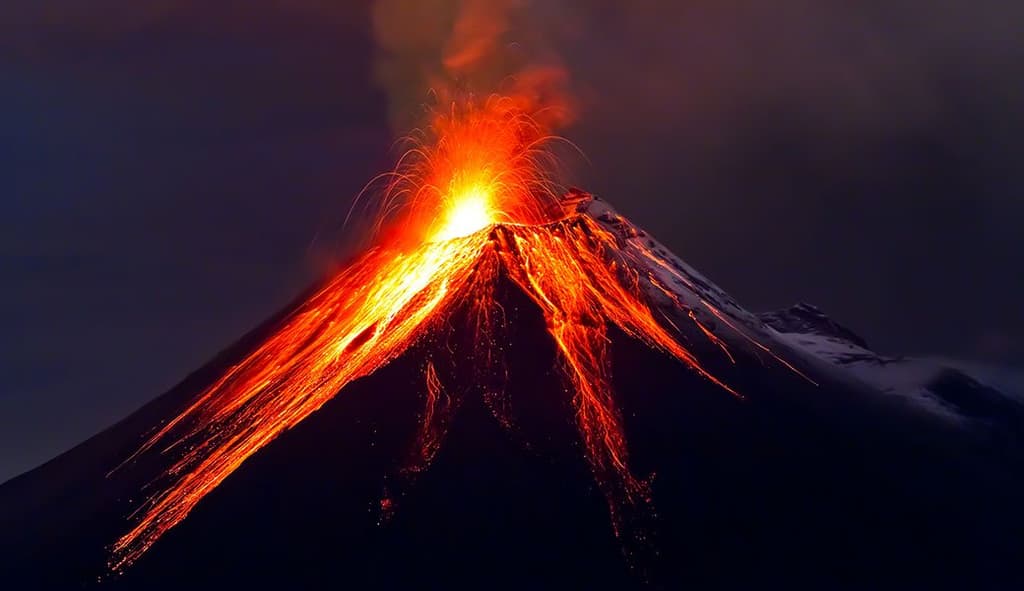
The extreme rarity of VEI 6+ events—roughly one every 50–100 years based on the geologic record, with Pinatubo (1991) as the most recent—combined with the absence of significant precursors drives the 95.3% market-implied odds against an eruption by year-end. Official monitoring from agencies like the USGS and Global Volcanism Program shows only background or low-level activity at dozens of volcanoes through mid-August 2026, with no caldera systems exhibiting the sustained seismic swarms, rapid inflation, or massive SO2 emissions needed for such scale. While sudden unrest at candidates like Iwo Jima or Taal remains theoretically possible, escalation to VEI 6 within the remaining months is considered highly improbable given current data.
Riepilogo sperimentale generato dall'AI con riferimento ai dati di Polymarket. Questo non è un consiglio di trading e non ha alcun ruolo nella risoluzione di questo mercato. · AggiornatoGrande eruzione vulcanica (vei ≥6) nel 2026?
Grande eruzione vulcanica (vei ≥6) nel 2026?
6% probabilità
$128,374 Vol.
$128,374 Vol.
30 mar 2027
6% probabilità
$128,374 Vol.
$128,374 Vol.
30 mar 2027
This market will resolve to "Yes" if a natural volcanic eruption with a Volcanic Explosivity Index (VEI) of 6 or higher occurs between the market's creation and December 31, 2026, 11:59 PM ET. Otherwise, this market will resolve to “No”.
The primary resolution source will be the Smithsonian Institution Global Volcanism Program (GVP: https://volcano.si.edu/), specifically the ‘VEI 6’ figure for 2026 released on the page currently titled "Eruptions Avg 2000-2024 (N/T)" (https://volcano.si.edu/faq/index.cfm?question=eruptionsbyyear) as of March 31, 2027, 12 PM ET. Any prior updates will not be considered finalized.
If this dataset has not been updated to include all relevant events by March 31, 2027, or if the Smithsonian GVP becomes permanently unavailable, this market may resolve based on a consensus of credible scientific sources, including the U.S. Geological Survey (USGS), national or regional volcanic observatories, or credible reporting of a scientific consensus.
Note: Smithsonian Institution Global Volcanism Program databases, which include eruptions that reached the relevant threshold prior to this market’s timeframe (e.g., https://volcano.si.edu/faq/index.cfm?question=eruptionsbyyear&checkyear=2025), will not be considered.The extreme rarity of VEI 6+ events—roughly one every 50–100 years based on the geologic record, with Pinatubo (1991) as the most recent—combined with the absence of significant precursors drives the 95.3% market-implied odds against an eruption by year-end. Official monitoring from agencies like the USGS and Global Volcanism Program shows only background or low-level activity at dozens of volcanoes through mid-August 2026, with no caldera systems exhibiting the sustained seismic swarms, rapid inflation, or massive SO2 emissions needed for such scale. While sudden unrest at candidates like Iwo Jima or Taal remains theoretically possible, escalation to VEI 6 within the remaining months is considered highly improbable given current data.
This market will resolve to "Yes" if a natural volcanic eruption with a Volcanic Explosivity Index (VEI) of 6 or higher occurs between the market's creation and December 31, 2026, 11:59 PM ET. Otherwise, this market will resolve to “No”.
The primary resolution source will be the Smithsonian Institution Global Volcanism Program (GVP: https://volcano.si.edu/), specifically the ‘VEI 6’ figure for 2026 released on the page currently titled "Eruptions Avg 2000-2024 (N/T)" (https://volcano.si.edu/faq/index.cfm?question=eruptionsbyyear) as of March 31, 2027, 12 PM ET. Any prior updates will not be considered finalized.
If this dataset has not been updated to include all relevant events by March 31, 2027, or if the Smithsonian GVP becomes permanently unavailable, this market may resolve based on a consensus of credible scientific sources, including the U.S. Geological Survey (USGS), national or regional volcanic observatories, or credible reporting of a scientific consensus.
Note: Smithsonian Institution Global Volcanism Program databases, which include eruptions that reached the relevant threshold prior to this market’s timeframe (e.g., https://volcano.si.edu/faq/index.cfm?question=eruptionsbyyear&checkyear=2025), will not be considered.
The primary resolution source will be the Smithsonian Institution Global Volcanism Program (GVP: https://volcano.si.edu/), specifically the ‘VEI 6’ figure for 2026 released on the page currently titled "Eruptions Avg 2000-2024 (N/T)" (https://volcano.si.edu/faq/index.cfm?question=eruptionsbyyear) as of March 31, 2027, 12 PM ET. Any prior updates will not be considered finalized.
If this dataset has not been updated to include all relevant events by March 31, 2027, or if the Smithsonian GVP becomes permanently unavailable, this market may resolve based on a consensus of credible scientific sources, including the U.S. Geological Survey (USGS), national or regional volcanic observatories, or credible reporting of a scientific consensus.
Note: Smithsonian Institution Global Volcanism Program databases, which include eruptions that reached the relevant threshold prior to this market’s timeframe (e.g., https://volcano.si.edu/faq/index.cfm?question=eruptionsbyyear&checkyear=2025), will not be considered.
Mercato aperto: Dec 29, 2025, 6:24 PM ET
Volume
$128,374Data di fine
31 mar 2027Mercato aperto
Dec 29, 2025, 6:24 PM ETResolver
0x65070BE91...This market will resolve to "Yes" if a natural volcanic eruption with a Volcanic Explosivity Index (VEI) of 6 or higher occurs between the market's creation and December 31, 2026, 11:59 PM ET. Otherwise, this market will resolve to “No”.
The primary resolution source will be the Smithsonian Institution Global Volcanism Program (GVP: https://volcano.si.edu/), specifically the ‘VEI 6’ figure for 2026 released on the page currently titled "Eruptions Avg 2000-2024 (N/T)" (https://volcano.si.edu/faq/index.cfm?question=eruptionsbyyear) as of March 31, 2027, 12 PM ET. Any prior updates will not be considered finalized.
If this dataset has not been updated to include all relevant events by March 31, 2027, or if the Smithsonian GVP becomes permanently unavailable, this market may resolve based on a consensus of credible scientific sources, including the U.S. Geological Survey (USGS), national or regional volcanic observatories, or credible reporting of a scientific consensus.
Note: Smithsonian Institution Global Volcanism Program databases, which include eruptions that reached the relevant threshold prior to this market’s timeframe (e.g., https://volcano.si.edu/faq/index.cfm?question=eruptionsbyyear&checkyear=2025), will not be considered.The extreme rarity of VEI 6+ events—roughly one every 50–100 years based on the geologic record, with Pinatubo (1991) as the most recent—combined with the absence of significant precursors drives the 95.3% market-implied odds against an eruption by year-end. Official monitoring from agencies like the USGS and Global Volcanism Program shows only background or low-level activity at dozens of volcanoes through mid-August 2026, with no caldera systems exhibiting the sustained seismic swarms, rapid inflation, or massive SO2 emissions needed for such scale. While sudden unrest at candidates like Iwo Jima or Taal remains theoretically possible, escalation to VEI 6 within the remaining months is considered highly improbable given current data.
This market will resolve to "Yes" if a natural volcanic eruption with a Volcanic Explosivity Index (VEI) of 6 or higher occurs between the market's creation and December 31, 2026, 11:59 PM ET. Otherwise, this market will resolve to “No”.
The primary resolution source will be the Smithsonian Institution Global Volcanism Program (GVP: https://volcano.si.edu/), specifically the ‘VEI 6’ figure for 2026 released on the page currently titled "Eruptions Avg 2000-2024 (N/T)" (https://volcano.si.edu/faq/index.cfm?question=eruptionsbyyear) as of March 31, 2027, 12 PM ET. Any prior updates will not be considered finalized.
If this dataset has not been updated to include all relevant events by March 31, 2027, or if the Smithsonian GVP becomes permanently unavailable, this market may resolve based on a consensus of credible scientific sources, including the U.S. Geological Survey (USGS), national or regional volcanic observatories, or credible reporting of a scientific consensus.
Note: Smithsonian Institution Global Volcanism Program databases, which include eruptions that reached the relevant threshold prior to this market’s timeframe (e.g., https://volcano.si.edu/faq/index.cfm?question=eruptionsbyyear&checkyear=2025), will not be considered.
The primary resolution source will be the Smithsonian Institution Global Volcanism Program (GVP: https://volcano.si.edu/), specifically the ‘VEI 6’ figure for 2026 released on the page currently titled "Eruptions Avg 2000-2024 (N/T)" (https://volcano.si.edu/faq/index.cfm?question=eruptionsbyyear) as of March 31, 2027, 12 PM ET. Any prior updates will not be considered finalized.
If this dataset has not been updated to include all relevant events by March 31, 2027, or if the Smithsonian GVP becomes permanently unavailable, this market may resolve based on a consensus of credible scientific sources, including the U.S. Geological Survey (USGS), national or regional volcanic observatories, or credible reporting of a scientific consensus.
Note: Smithsonian Institution Global Volcanism Program databases, which include eruptions that reached the relevant threshold prior to this market’s timeframe (e.g., https://volcano.si.edu/faq/index.cfm?question=eruptionsbyyear&checkyear=2025), will not be considered.
Volume
$128,374Data di fine
31 mar 2027Mercato aperto
Dec 29, 2025, 6:24 PM ETResolver
0x65070BE91...The extreme rarity of VEI 6+ events—roughly one every 50–100 years based on the geologic record, with Pinatubo (1991) as the most recent—combined with the absence of significant precursors drives the 95.3% market-implied odds against an eruption by year-end. Official monitoring from agencies like the USGS and Global Volcanism Program shows only background or low-level activity at dozens of volcanoes through mid-August 2026, with no caldera systems exhibiting the sustained seismic swarms, rapid inflation, or massive SO2 emissions needed for such scale. While sudden unrest at candidates like Iwo Jima or Taal remains theoretically possible, escalation to VEI 6 within the remaining months is considered highly improbable given current data.
Riepilogo sperimentale generato dall'AI con riferimento ai dati di Polymarket. Questo non è un consiglio di trading e non ha alcun ruolo nella risoluzione di questo mercato. · Aggiornato

Fai attenzione ai link esterni.
Fai attenzione ai link esterni.
Domande frequenti