
Reza Pahlavi remains in exile without institutional control or unified domestic backing as Iran’s Islamic Republic continues under Supreme Leader Mojtaba Khamenei, selected in March 2026 after Ali Khamenei’s death during the earlier conflict. Recent reporting highlights Pahlavi’s struggles to consolidate fragmented opposition groups and build sufficient internal support for a transitional role, despite his public readiness to lead a post-regime process. Trader consensus at 96.8% for “No” reflects the regime’s demonstrated resilience, ongoing factional stability in Tehran, and absence of conditions that would enable an exile figure to assume leadership by year-end. Low-probability shifts could still arise from renewed large-scale unrest, major defections within security forces, or unforeseen diplomatic realignments that accelerate a negotiated transition.
Resumo experimental gerado por IA com dados do Polymarket. Isto não é aconselhamento de trading e não tem qualquer papel na resolução deste mercado. · AtualizadoReza Pahlavi liderará o Irã em 2026?
Reza Pahlavi liderará o Irã em 2026?
Sim
$11,699,656 Vol.
$11,699,656 Vol.
Sim
$11,699,656 Vol.
$11,699,656 Vol.
Reza Pahlavi will be considered to hold power if he exercises primary governing authority over the Iranian state during the specified timeframe, including effective control over the armed forces, national institutions, and core executive decision-making, regardless of formal title, constitutional designation, or international recognition.
Formal appointment, recognition by the United Nations, or recognition by foreign governments is not required.
Indicators of de facto authority may include control over the armed forces and security services; control over executive ministries and state administrative institutions; enforcement of national laws; issuance of binding national directives; and effective control over the capital and core state infrastructure.
Symbolic status, foreign recognition without domestic control, exile leadership without effective authority inside Iran, nomination without effective authority, or ceremonial or transitional status without governing control will not qualify.
If Iran experiences a period in which no individual exercises effective governing control, this will not alone qualify for a “Yes” resolution unless Reza Pahlavi subsequently meets the criteria above within the specified timeframe.
The primary resolution source for this market will be a consensus of credible reporting.
Mercado Aberto: Feb 28, 2026, 10:36 PM ET
Resolver
0x65070BE91...Reza Pahlavi will be considered to hold power if he exercises primary governing authority over the Iranian state during the specified timeframe, including effective control over the armed forces, national institutions, and core executive decision-making, regardless of formal title, constitutional designation, or international recognition.
Formal appointment, recognition by the United Nations, or recognition by foreign governments is not required.
Indicators of de facto authority may include control over the armed forces and security services; control over executive ministries and state administrative institutions; enforcement of national laws; issuance of binding national directives; and effective control over the capital and core state infrastructure.
Symbolic status, foreign recognition without domestic control, exile leadership without effective authority inside Iran, nomination without effective authority, or ceremonial or transitional status without governing control will not qualify.
If Iran experiences a period in which no individual exercises effective governing control, this will not alone qualify for a “Yes” resolution unless Reza Pahlavi subsequently meets the criteria above within the specified timeframe.
The primary resolution source for this market will be a consensus of credible reporting.
Resolver
0x65070BE91...Reza Pahlavi remains in exile without institutional control or unified domestic backing as Iran’s Islamic Republic continues under Supreme Leader Mojtaba Khamenei, selected in March 2026 after Ali Khamenei’s death during the earlier conflict. Recent reporting highlights Pahlavi’s struggles to consolidate fragmented opposition groups and build sufficient internal support for a transitional role, despite his public readiness to lead a post-regime process. Trader consensus at 96.8% for “No” reflects the regime’s demonstrated resilience, ongoing factional stability in Tehran, and absence of conditions that would enable an exile figure to assume leadership by year-end. Low-probability shifts could still arise from renewed large-scale unrest, major defections within security forces, or unforeseen diplomatic realignments that accelerate a negotiated transition.
Resumo experimental gerado por IA com dados do Polymarket. Isto não é aconselhamento de trading e não tem qualquer papel na resolução deste mercado. · Atualizado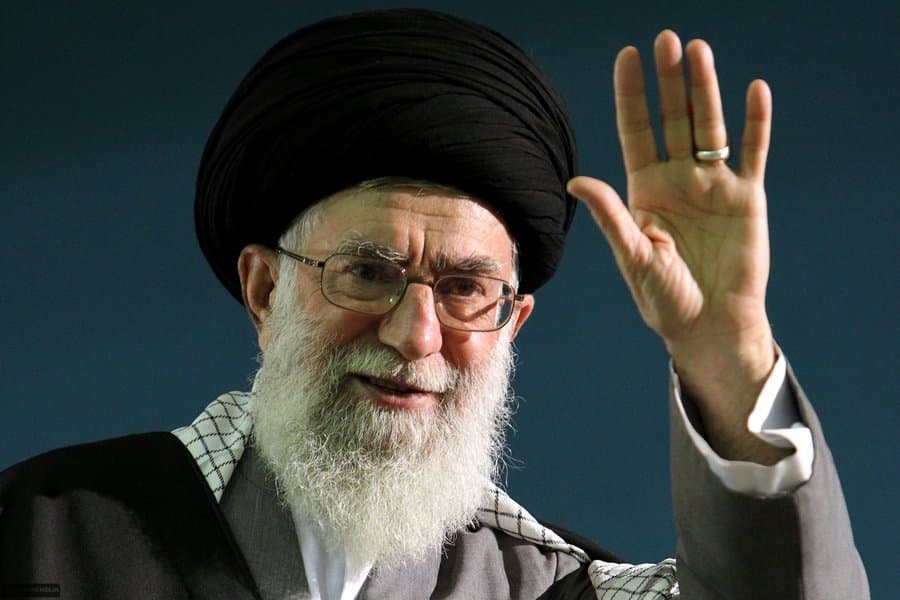
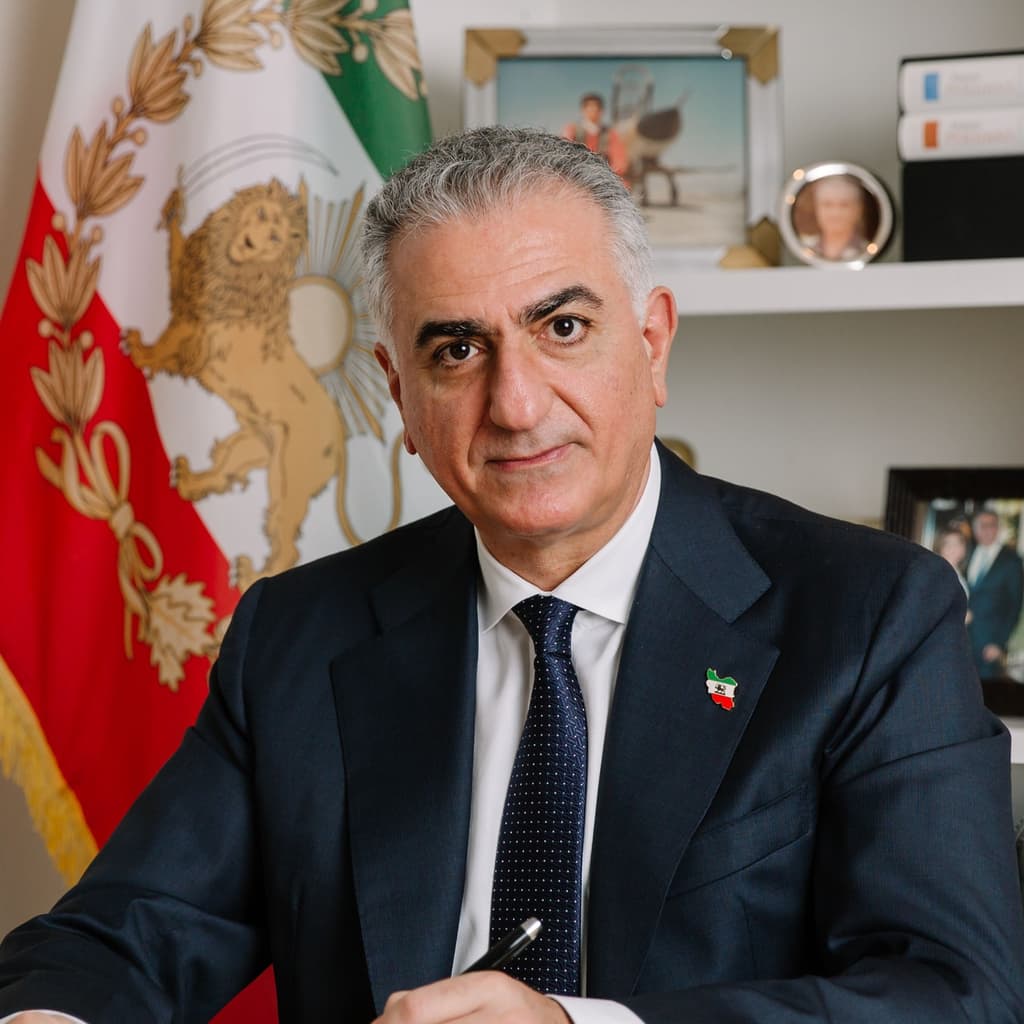
Cuidado com os links externos.
Cuidado com os links externos.
Frequently Asked Questions