



Magdalena Andersson’s commanding position in the next prime minister market stems from the centre-left opposition’s narrow parliamentary victory in the September 13, 2026, general election, where her Social Democrats-led bloc secured 176 seats to the incumbent right-wing Tidö parties’ 173. Prime Minister Ulf Kristersson resigned on September 17 after the final count, clearing the way for Andersson to open coalition talks with the Left, Centre, and Green parties. The result reflected declining support for the Sweden Democrats and a shift toward the opposition on issues including immigration, crime, and welfare priorities. While the Social Democrats emerged as the largest single party, government formation requires cross-party agreement in the Riksdag, and delays or breakdowns could extend negotiations beyond the earliest possible swearing-in date of September 29. Scenarios that might alter the outcome include prolonged deadlock prompting a new election or an alternative candidate emerging if bloc partners fail to reach terms.
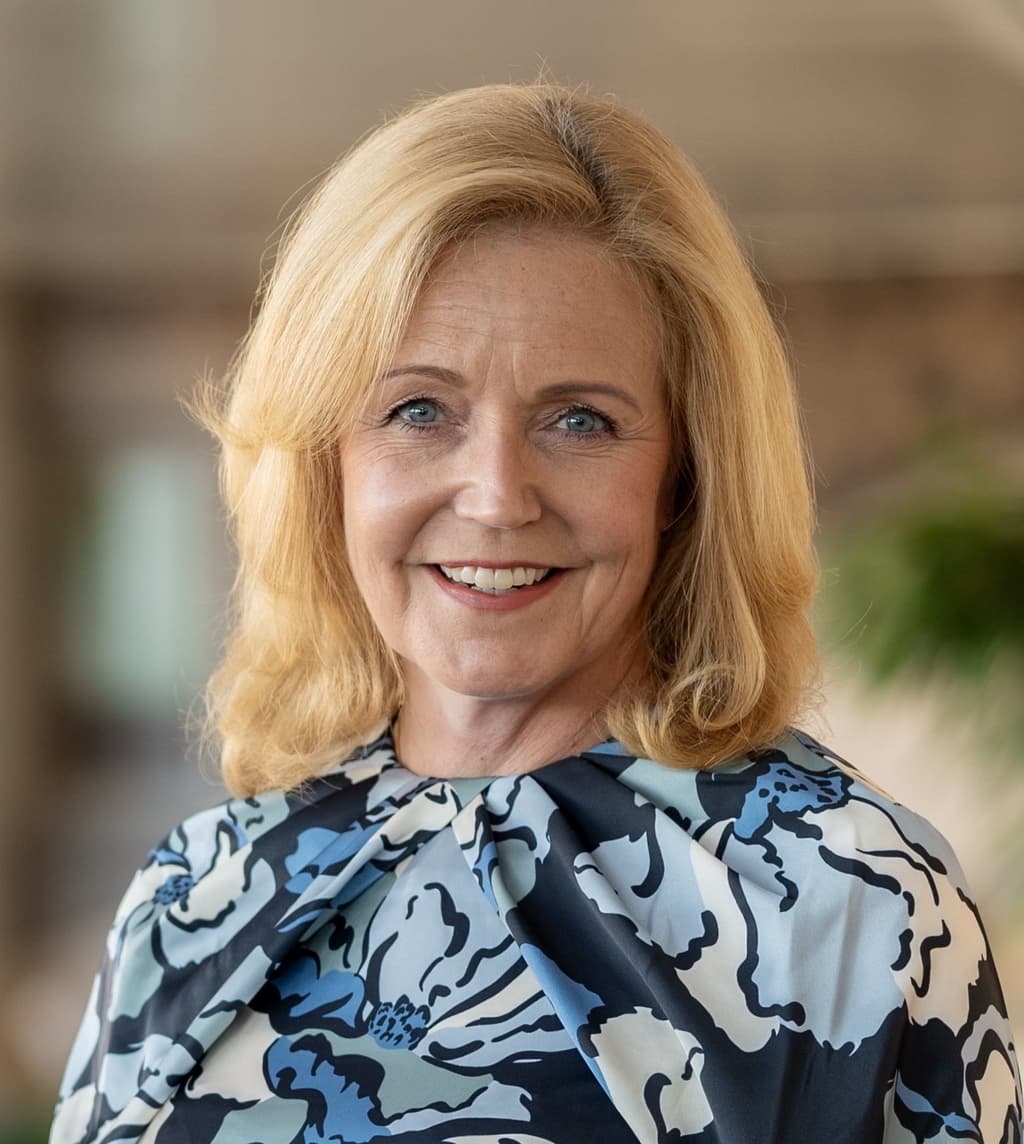
Eksperimental na AI-generated summary na nire-reference ang Polymarket data. Hindi ito trading advice at wala itong papel sa kung paano nire-resolve ang market na ito. · Na-updateCentre Party leader Elisabeth Thand Ringqvist holds pivotal role in government formation
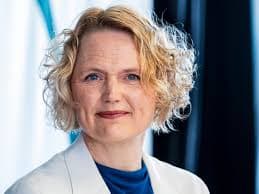
Elisabeth Thand Ringqvist, leader of the Centre Party, emerged as a key kingmaker with her party holding 25 seats, refusing to work with the far-right Sweden Democrats, influencing coalition talks and the market's view on government formation.
Final count confirms left bloc's narrow majority; Ulf Kristersson resigns as Prime Minister
Magdalena Andersson jumps to 94%14%
The official results confirmed the center-left bloc's one-seat majority, leading to Ulf Kristersson's resignation and paving the way for Magdalena Andersson to return as Prime Minister.


Mag-ingat sa mga external link.
Mag-ingat sa mga external link.
Mga Madalas na Tanong