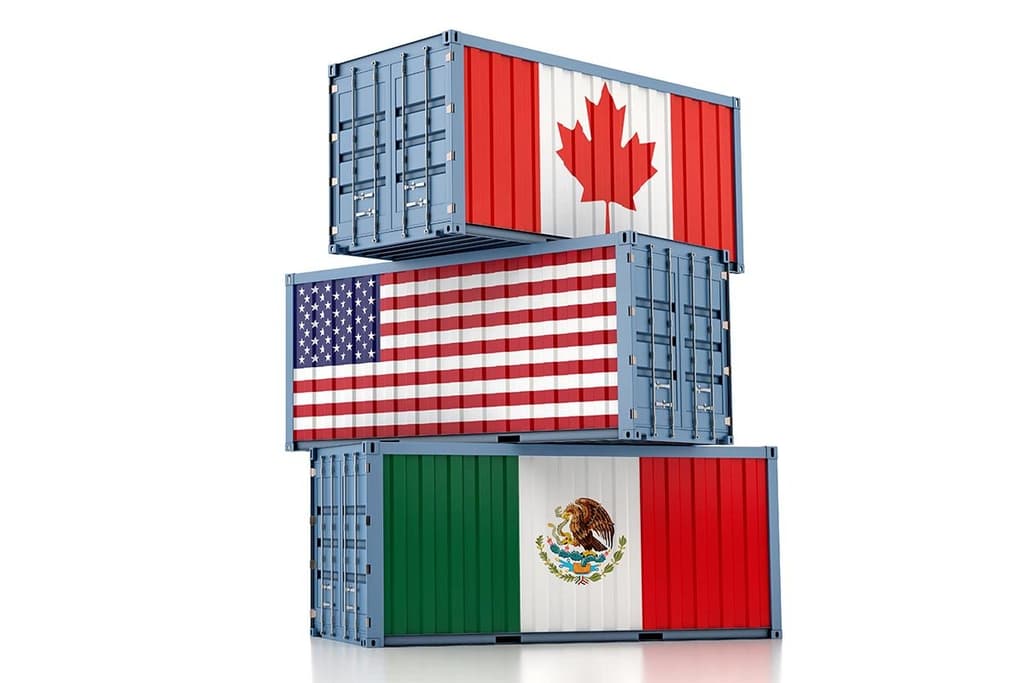
The United States declined to confirm a 16-year extension of the USMCA during the mandatory July 1, 2026 joint review under Article 34.7, citing the need to address shortcomings rather than renew the agreement in its current form. This decision by the Trump administration’s USTR triggered the shift to annual joint reviews, while Mexico and Canada had expressed support for immediate extension. The pact remains fully operative with no changes to tariffs or rules, and the 16-year renewal option stays available through future written confirmations by the heads of government before the 2036 termination date. Ongoing bilateral talks, including U.S.-Mexico rounds scheduled for July, have not produced consensus on revisions, and no further extension has been finalized in the weeks since the review. Traders view these procedural and negotiating dynamics as making a 2026 extension highly unlikely absent rapid trilateral agreement.
基於Polymarket數據的AI實驗性摘要。這不是交易建議,也不影響該市場的結算方式。 · 更新於是
$10,265 交易量
$10,265 交易量
是
$10,265 交易量
$10,265 交易量
A qualifying extension requires all three parties to formally extend the term of the agreement. This may occur through written confirmation of their wish to extend the term for a further period pursuant to USMCA Article 34.7, or through other formal means that clearly and definitively extend the term, such as a unanimous amendment of the agreement. An extension qualifies whether or not it also includes negotiated modifications to the original agreement.
The following will not qualify: announcements unaccompanied by a formal extension; extension of individual provisions that does not extend the agreement's term itself; commitments to extend by fewer than all three parties; and replacement of the USMCA with a separate or successor agreement, as opposed to continuation of the existing agreement.
The primary resolution source is official information from the United States, Canada, and Mexico; however, a consensus of credible reporting may also be used.
市場開放時間: Jul 1, 2026, 5:35 PM ET
Resolver
0x65070BE91...A qualifying extension requires all three parties to formally extend the term of the agreement. This may occur through written confirmation of their wish to extend the term for a further period pursuant to USMCA Article 34.7, or through other formal means that clearly and definitively extend the term, such as a unanimous amendment of the agreement. An extension qualifies whether or not it also includes negotiated modifications to the original agreement.
The following will not qualify: announcements unaccompanied by a formal extension; extension of individual provisions that does not extend the agreement's term itself; commitments to extend by fewer than all three parties; and replacement of the USMCA with a separate or successor agreement, as opposed to continuation of the existing agreement.
The primary resolution source is official information from the United States, Canada, and Mexico; however, a consensus of credible reporting may also be used.
Resolver
0x65070BE91...The United States declined to confirm a 16-year extension of the USMCA during the mandatory July 1, 2026 joint review under Article 34.7, citing the need to address shortcomings rather than renew the agreement in its current form. This decision by the Trump administration’s USTR triggered the shift to annual joint reviews, while Mexico and Canada had expressed support for immediate extension. The pact remains fully operative with no changes to tariffs or rules, and the 16-year renewal option stays available through future written confirmations by the heads of government before the 2036 termination date. Ongoing bilateral talks, including U.S.-Mexico rounds scheduled for July, have not produced consensus on revisions, and no further extension has been finalized in the weeks since the review. Traders view these procedural and negotiating dynamics as making a 2026 extension highly unlikely absent rapid trilateral agreement.
基於Polymarket數據的AI實驗性摘要。這不是交易建議,也不影響該市場的結算方式。 · 更新於


警惕外部連結哦。
警惕外部連結哦。
Frequently Asked Questions