
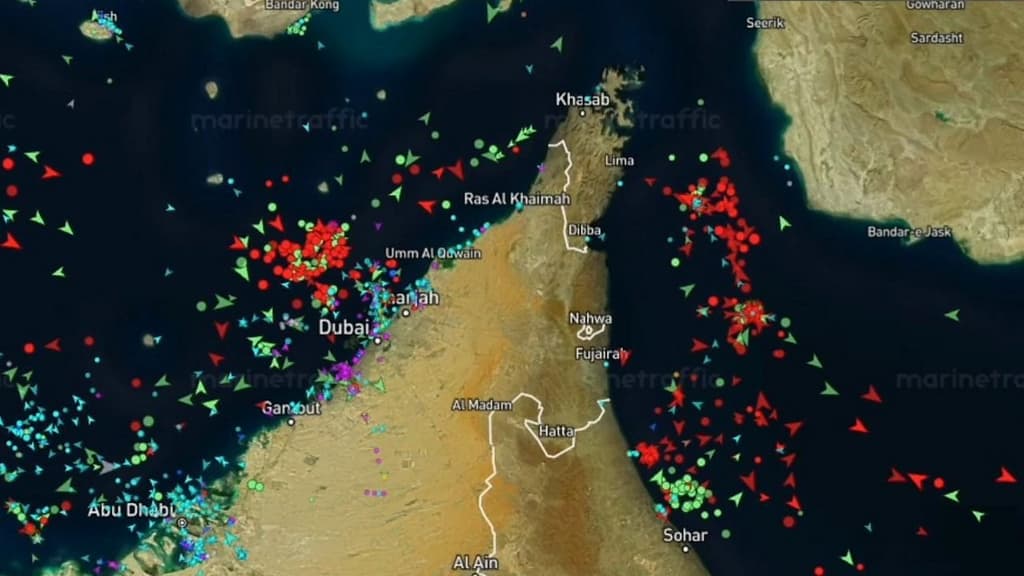
Ongoing geopolitical tensions from the 2026 Iran conflict continue to disrupt tanker traffic through the Strait of Hormuz, a chokepoint handling roughly 25% of global seaborne oil trade and nearly 20% of LNG volumes, which has sustained elevated tanker insurance premiums, widened freight spreads, and contributed to energy price volatility. The U.S. has maintained active naval operations including recent blockade reimposition, while European allies position minesweepers and escorts conditionally on stabilized passage; calls for broader coalitions involving Japan and others have yielded limited public commitments. Trader sentiment centers on whether renewed diplomatic efforts or last-minute transits by additional nations will occur before the August 31 resolution, with oil benchmark reactions to any de-escalation signals serving as key near-term indicators.
Tóm tắt AI thử nghiệm tham chiếu dữ liệu Polymarket. Đây không phải tư vấn giao dịch và không ảnh hưởng đến cách thị trường này được giải quyết. · Cập nhậtWhich countries will send warships through the Strait of Hormuz by August 31?
Which countries will send warships through the Strait of Hormuz by August 31?
$233,329 KL.

US
5%

France
2%

UK
1%

Netherlands
1%

Italy
1%

Australia
1%

Greece
1%

Germany
1%
$233,329 KL.
US
5%
France
2%
UK
1%
Netherlands
1%
Italy
1%
Australia
1%
Greece
1%
Germany
1%
A "warship transit" is defined as a military vessel passing through the Strait of Hormuz. Military cargo or support vessels will be considered “warships”; however, commercial or civilian vessels will not qualify.
For the purposes of this market, only transits through the Strait of Hormuz will be considered, defined as passage through the narrowest portion of the waterway between Iran and Oman. Operations solely in the Persian Gulf, Gulf of Oman, or Arabian Sea without passage through this narrowest section will not qualify.
Official confirmation by a national government or its military that its vessels transited through the Strait of Hormuz during the specified timeframe will resolve this market immediately. An overwhelming consensus of credible reporting confirming that such a transit occurred during the specified timeframe will also suffice.
Qualifying confirmations must be made within this markets above specified timeframe and include official announcements that a country has deployed naval vessels to transit or escort shipping through the Strait of Hormuz.
Confirmations referring only to naval presence in the broader region, including the Persian Gulf, Gulf of Oman, or Arabian Sea, without confirmed transit through the Strait itself, as well as aerial operations, cyber operations, or actions by proxies or third parties, will not alone qualify.
The primary resolution source for this market will be official information by the respective national governments or their militaries; however, an overwhelming consensus of credible reporting will also suffice.
Thị trường mở: Jul 31, 2026, 10:14 AM ET
Resolver
0x65070BE91...A "warship transit" is defined as a military vessel passing through the Strait of Hormuz. Military cargo or support vessels will be considered “warships”; however, commercial or civilian vessels will not qualify.
For the purposes of this market, only transits through the Strait of Hormuz will be considered, defined as passage through the narrowest portion of the waterway between Iran and Oman. Operations solely in the Persian Gulf, Gulf of Oman, or Arabian Sea without passage through this narrowest section will not qualify.
Official confirmation by a national government or its military that its vessels transited through the Strait of Hormuz during the specified timeframe will resolve this market immediately. An overwhelming consensus of credible reporting confirming that such a transit occurred during the specified timeframe will also suffice.
Qualifying confirmations must be made within this markets above specified timeframe and include official announcements that a country has deployed naval vessels to transit or escort shipping through the Strait of Hormuz.
Confirmations referring only to naval presence in the broader region, including the Persian Gulf, Gulf of Oman, or Arabian Sea, without confirmed transit through the Strait itself, as well as aerial operations, cyber operations, or actions by proxies or third parties, will not alone qualify.
The primary resolution source for this market will be official information by the respective national governments or their militaries; however, an overwhelming consensus of credible reporting will also suffice.
Resolver
0x65070BE91...Ongoing geopolitical tensions from the 2026 Iran conflict continue to disrupt tanker traffic through the Strait of Hormuz, a chokepoint handling roughly 25% of global seaborne oil trade and nearly 20% of LNG volumes, which has sustained elevated tanker insurance premiums, widened freight spreads, and contributed to energy price volatility. The U.S. has maintained active naval operations including recent blockade reimposition, while European allies position minesweepers and escorts conditionally on stabilized passage; calls for broader coalitions involving Japan and others have yielded limited public commitments. Trader sentiment centers on whether renewed diplomatic efforts or last-minute transits by additional nations will occur before the August 31 resolution, with oil benchmark reactions to any de-escalation signals serving as key near-term indicators.
Tóm tắt AI thử nghiệm tham chiếu dữ liệu Polymarket. Đây không phải tư vấn giao dịch và không ảnh hưởng đến cách thị trường này được giải quyết. · Cập nhật
Cẩn thận với liên kết bên ngoài.
Cẩn thận với liên kết bên ngoài.
Câu hỏi thường gặp