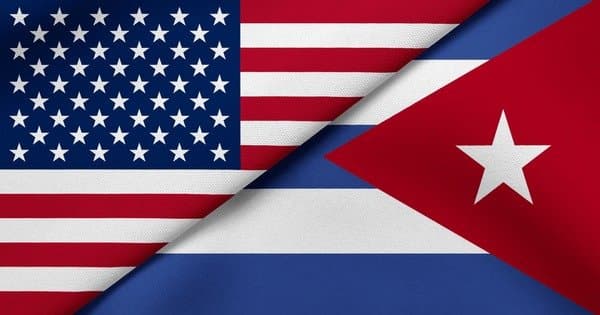
US policy toward Cuba in 2026 centers on economic sanctions, oil supply disruptions via third countries, and targeted designations following the January intervention in Venezuela, rather than direct military engagement. Executive actions have restricted fuel flows and imposed tariffs on enablers of Cuban imports, exacerbating Havana’s energy shortages while preserving diplomatic channels, including high-level meetings between US and Cuban officials. US military assets remain positioned for surveillance and contingency planning in the Caribbean, yet senior officials have emphasized non-imminent action amid competing priorities such as Iran. These developments sustain trader consensus that a bilateral clash remains unlikely absent a sharp escalation in Cuban responses or shifts in US strategic calculations.
基於Polymarket數據的AI實驗性摘要。這不是交易建議,也不影響該市場的結算方式。 · 更新於是
$240,200 交易量
$240,200 交易量
是
$240,200 交易量
$240,200 交易量
A "military encounter" is defined as any incident involving the use of force such as missile strikes, artillery fire, exchange of gunfire, or other forms of direct military engagement between US and Cuban military forces. Non-violent actions, such as warning shots, artillery fire into uninhabited areas, or missile launches that land in territorial waters or pass through airspace, will not qualify for a "Yes" resolution. Intentional ship ramming that results in significant damage to (e.g., a hole in the hull) or the sinking of a military ship by another will count toward a "Yes" resolution, however minor damage (scrapes, dents) will not.
Note: the United States Coast Guard is considered part of the United States military, and the Cuban Border Guard is considered part of the Cuban military.
The resolution source for this market will be a consensus of credible reporting.
市場開放時間: Feb 25, 2026, 7:31 PM ET
Resolver
0x65070BE91...A "military encounter" is defined as any incident involving the use of force such as missile strikes, artillery fire, exchange of gunfire, or other forms of direct military engagement between US and Cuban military forces. Non-violent actions, such as warning shots, artillery fire into uninhabited areas, or missile launches that land in territorial waters or pass through airspace, will not qualify for a "Yes" resolution. Intentional ship ramming that results in significant damage to (e.g., a hole in the hull) or the sinking of a military ship by another will count toward a "Yes" resolution, however minor damage (scrapes, dents) will not.
Note: the United States Coast Guard is considered part of the United States military, and the Cuban Border Guard is considered part of the Cuban military.
The resolution source for this market will be a consensus of credible reporting.
Resolver
0x65070BE91...US policy toward Cuba in 2026 centers on economic sanctions, oil supply disruptions via third countries, and targeted designations following the January intervention in Venezuela, rather than direct military engagement. Executive actions have restricted fuel flows and imposed tariffs on enablers of Cuban imports, exacerbating Havana’s energy shortages while preserving diplomatic channels, including high-level meetings between US and Cuban officials. US military assets remain positioned for surveillance and contingency planning in the Caribbean, yet senior officials have emphasized non-imminent action amid competing priorities such as Iran. These developments sustain trader consensus that a bilateral clash remains unlikely absent a sharp escalation in Cuban responses or shifts in US strategic calculations.
基於Polymarket數據的AI實驗性摘要。這不是交易建議,也不影響該市場的結算方式。 · 更新於


警惕外部連結哦。
警惕外部連結哦。
Frequently Asked Questions