Trump’s recent pattern of public criticism has centered on journalists from outlets including CNN, ABC, and Bloomberg, driven by disputes over coverage of administration policies, court challenges, and midterm-related announcements. In mid-September 2026, he directly addressed reporters such as Catherine Lucey and Rachel Scott with phrases like “you’re terrible” and “you’re the worst” during Oval Office and tarmac exchanges, while issuing Truth Social posts targeting Kaitlan Collins and announcing restrictions on specific news organizations. These incidents align with longer-standing rhetoric labeling media as “fake news” and reflect responses to perceived negative reporting on issues like Iran policy and economic proposals. With the September 30 resolution window only days away, trader assessments focus on the likelihood of continued press confrontations or spillover to political figures amid ongoing public events.
基於Polymarket數據的AI實驗性摘要。這不是交易建議,也不影響該市場的結算方式。 · 更新於$145,989 交易量

馬克·卡尼
77%

塔克·卡爾森
65%

喬恩·奧索夫
69%

伊爾汗·奧馬爾
26%

伊麗莎白·華倫
20%

希拉蕊·柯林頓
28%

莉蒂夏·詹姆斯
25%

凱西·霍楚爾
24%

亞當·希夫
21%

瑪喬麗·泰勒·格林
14%

安迪·伯納姆
17%

亞歷山卓·奧卡西奧-科爾特斯
18%

梅根·凱利
11%
坎迪斯·歐文斯
28%

伊隆馬斯克
16%

亞歷克斯·瓊斯
16%

弗里德里希·梅爾茨
14%

埃馬紐埃爾·馬克宏
12%

吉米·坎摩爾
12%
傑洛姆·鮑威爾
10%

Zohran Mamdani
8%

Norah O'Donnell
7%

史蒂芬·科貝爾
14%

穆罕默德·本·薩勒曼
6%

教宗良十四世
5%

潘·龐迪
5%

卡羅琳·萊維特
4%

班傑明·納坦雅胡
3%
凱文·沃什
3%

習近平
2%

弗拉基米爾·普丁
2%

J.D.范斯
1%
梅拉尼婭·川普
18%
$145,989 交易量
馬克·卡尼
77%
塔克·卡爾森
65%
喬恩·奧索夫
69%
伊爾汗·奧馬爾
26%
伊麗莎白·華倫
20%
希拉蕊·柯林頓
28%
莉蒂夏·詹姆斯
25%
凱西·霍楚爾
24%
亞當·希夫
21%
瑪喬麗·泰勒·格林
14%
安迪·伯納姆
17%
亞歷山卓·奧卡西奧-科爾特斯
18%
梅根·凱利
11%
坎迪斯·歐文斯
28%
伊隆馬斯克
16%
亞歷克斯·瓊斯
16%
弗里德里希·梅爾茨
14%
埃馬紐埃爾·馬克宏
12%
吉米·坎摩爾
12%
傑洛姆·鮑威爾
10%
Zohran Mamdani
8%
Norah O'Donnell
7%
史蒂芬·科貝爾
14%
穆罕默德·本·薩勒曼
6%
教宗良十四世
5%
潘·龐迪
5%
卡羅琳·萊維特
4%
班傑明·納坦雅胡
3%
凱文·沃什
3%
習近平
2%
弗拉基米爾·普丁
2%
J.D.范斯
1%
梅拉尼婭·川普
18%
A public statement is any written, verbal, or recorded statement which is either made in a public setting, published by the speaker, or on the record to media, and the direct language of which is made publicly available within the specified timeframe. Pre-recorded public statements will count for the date (ET) that they are made publicly available. Statements made in private that are subsequently leaked will not qualify, even if credibly reported. Narrations and paraphrasings do not qualify.
Images and videos posted on verified social media accounts will only qualify if they contain insulting language clearly directed at the individual, whether within the content itself or in an accompanying caption. Language within the content of a video will only qualify if Donald Trump is clearly portrayed as saying it. Insulting language within the content of a video said by anyone other than Donald Trump or a portrayal thereof will not qualify.
A quote post will qualify if added language independently qualifies as an insult, or endorses insulting language directed at the individual within the quoted post; a repost of another account's post will not qualify.
A public statement qualifies as an insult if it mocks, degrades, or disparages the individual either personally or professionally. This includes calling the individual a clearly insulting trait (e.g., weak, stupid, disloyal, a failure), using an insulting nickname (e.g., Crooked Hillary), using other clearly derogatory language, or using the negative form of a positive trait in a clearly derogatory manner (e.g., “He isn’t smart”, “He has no judgment”). Disparaging the individual in their professional capacity will qualify (e.g., "He is a disaster candidate," "He is terrible at his job"); however, negative comments directed at the individual's specific actions, policies, or decisions will not qualify (e.g., "He has bad policies," "He is wrong about healthcare").
A statement made in direct reference to the individual will qualify even if they are not named, so long as it is reasonably clear from context that they are the subject.
The resolution sources will be public statements made by Donald Trump and a consensus of credible reporting.
市場開放時間: Sep 2, 2026, 5:15 PM ET
A public statement is any written, verbal, or recorded statement which is either made in a public setting, published by the speaker, or on the record to media, and the direct language of which is made publicly available within the specified timeframe. Pre-recorded public statements will count for the date (ET) that they are made publicly available. Statements made in private that are subsequently leaked will not qualify, even if credibly reported. Narrations and paraphrasings do not qualify.
Images and videos posted on verified social media accounts will only qualify if they contain insulting language clearly directed at the individual, whether within the content itself or in an accompanying caption. Language within the content of a video will only qualify if Donald Trump is clearly portrayed as saying it. Insulting language within the content of a video said by anyone other than Donald Trump or a portrayal thereof will not qualify.
A quote post will qualify if added language independently qualifies as an insult, or endorses insulting language directed at the individual within the quoted post; a repost of another account's post will not qualify.
A public statement qualifies as an insult if it mocks, degrades, or disparages the individual either personally or professionally. This includes calling the individual a clearly insulting trait (e.g., weak, stupid, disloyal, a failure), using an insulting nickname (e.g., Crooked Hillary), using other clearly derogatory language, or using the negative form of a positive trait in a clearly derogatory manner (e.g., “He isn’t smart”, “He has no judgment”). Disparaging the individual in their professional capacity will qualify (e.g., "He is a disaster candidate," "He is terrible at his job"); however, negative comments directed at the individual's specific actions, policies, or decisions will not qualify (e.g., "He has bad policies," "He is wrong about healthcare").
A statement made in direct reference to the individual will qualify even if they are not named, so long as it is reasonably clear from context that they are the subject.
The resolution sources will be public statements made by Donald Trump and a consensus of credible reporting.
Trump’s recent pattern of public criticism has centered on journalists from outlets including CNN, ABC, and Bloomberg, driven by disputes over coverage of administration policies, court challenges, and midterm-related announcements. In mid-September 2026, he directly addressed reporters such as Catherine Lucey and Rachel Scott with phrases like “you’re terrible” and “you’re the worst” during Oval Office and tarmac exchanges, while issuing Truth Social posts targeting Kaitlan Collins and announcing restrictions on specific news organizations. These incidents align with longer-standing rhetoric labeling media as “fake news” and reflect responses to perceived negative reporting on issues like Iran policy and economic proposals. With the September 30 resolution window only days away, trader assessments focus on the likelihood of continued press confrontations or spillover to political figures amid ongoing public events.
基於Polymarket數據的AI實驗性摘要。這不是交易建議,也不影響該市場的結算方式。 · 更新於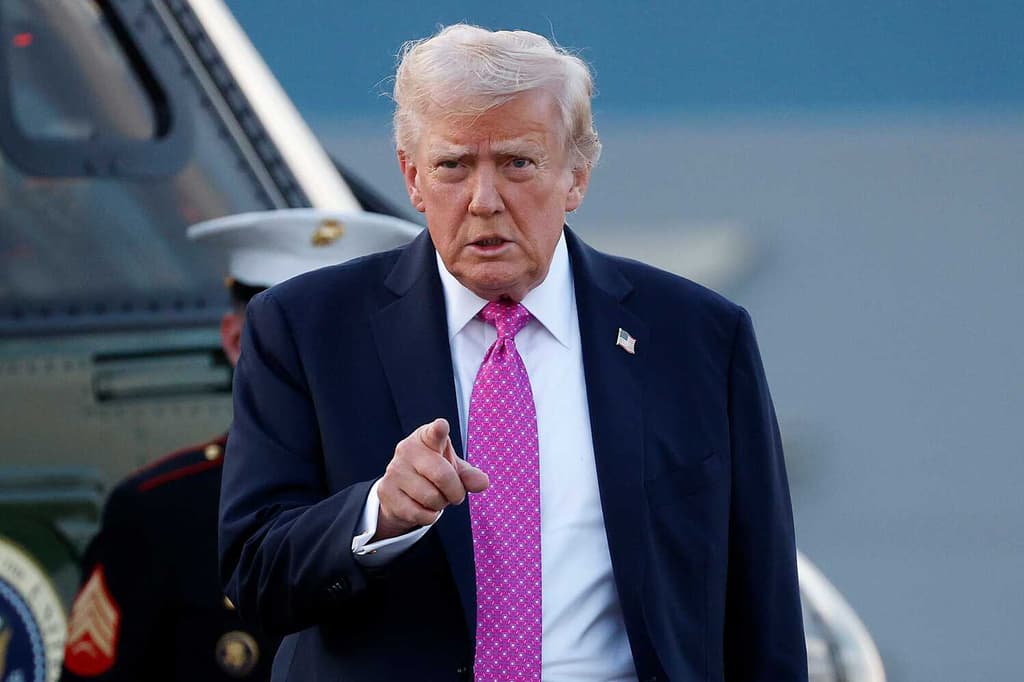

警惕外部連結哦。
警惕外部連結哦。
Frequently Asked Questions