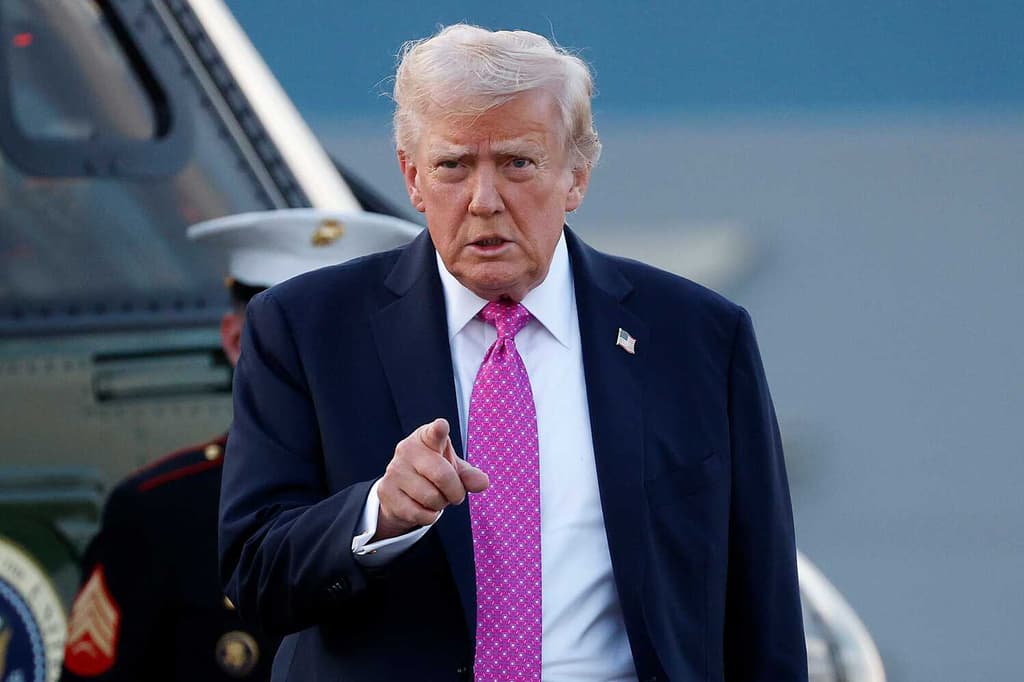
Donald Trump’s pattern of direct, often pointed criticism through Truth Social posts and public remarks continues to shape trader views on markets assessing whether he will insult someone on a given date. Recent activity includes repeated attacks on Democratic figures and policies, such as labeling opponents with nicknames or questioning their positions on issues like elections and tariffs. These statements align with his long-standing communication style during the current term, where official announcements and responses to media queries frequently incorporate sharp language. Upcoming events like scheduled interviews, rallies, or policy announcements could prompt similar exchanges, while any shift toward more measured rhetoric would represent a departure from recent trends.
基於Polymarket數據的AI實驗性摘要。這不是交易建議,也不影響該市場的結算方式。 · 更新於$511,218 交易量
May 18
95%
May 19
93%
May 20
94%
May 21
91%
May 22
93%
May 23
91%
May 24
91%
May 25
91%
May 26
91%
May 27
90%
May 28
91%
May 29
91%
May 30
91%
May 31
91%
$511,218 交易量
May 18
95%
May 19
93%
May 20
94%
May 21
91%
May 22
93%
May 23
91%
May 24
91%
May 25
91%
May 26
91%
May 27
90%
May 28
91%
May 29
91%
May 30
91%
May 31
91%
This includes calling the individual weak, stupid, disloyal, a failure, using an insulting nickname, using other derogatory language, or using the negative form of a positive trait in a derogatory personal way (e.g., “He/She isn’t smart”). Negative forms used in reference to the individual's professional actions, policies, or decisions (e.g., “He/She isn’t being smart about this policy”) will not count. Policy disagreements stated without disparaging language will not count.
A direct reference will qualify even if the individual is not named, so long as it is reasonably clear from context that they are the subject.
Any written, verbal, or recorded public statement by Trump qualifies.
The resolution source will be a consensus of credible reporting.
市場開放時間: Apr 30, 2026, 11:29 AM ET
Resolver
0x65070BE91...This includes calling the individual weak, stupid, disloyal, a failure, using an insulting nickname, using other derogatory language, or using the negative form of a positive trait in a derogatory personal way (e.g., “He/She isn’t smart”). Negative forms used in reference to the individual's professional actions, policies, or decisions (e.g., “He/She isn’t being smart about this policy”) will not count. Policy disagreements stated without disparaging language will not count.
A direct reference will qualify even if the individual is not named, so long as it is reasonably clear from context that they are the subject.
Any written, verbal, or recorded public statement by Trump qualifies.
The resolution source will be a consensus of credible reporting.
Resolver
0x65070BE91...Donald Trump’s pattern of direct, often pointed criticism through Truth Social posts and public remarks continues to shape trader views on markets assessing whether he will insult someone on a given date. Recent activity includes repeated attacks on Democratic figures and policies, such as labeling opponents with nicknames or questioning their positions on issues like elections and tariffs. These statements align with his long-standing communication style during the current term, where official announcements and responses to media queries frequently incorporate sharp language. Upcoming events like scheduled interviews, rallies, or policy announcements could prompt similar exchanges, while any shift toward more measured rhetoric would represent a departure from recent trends.
基於Polymarket數據的AI實驗性摘要。這不是交易建議,也不影響該市場的結算方式。 · 更新於
警惕外部連結哦。
警惕外部連結哦。
Frequently Asked Questions