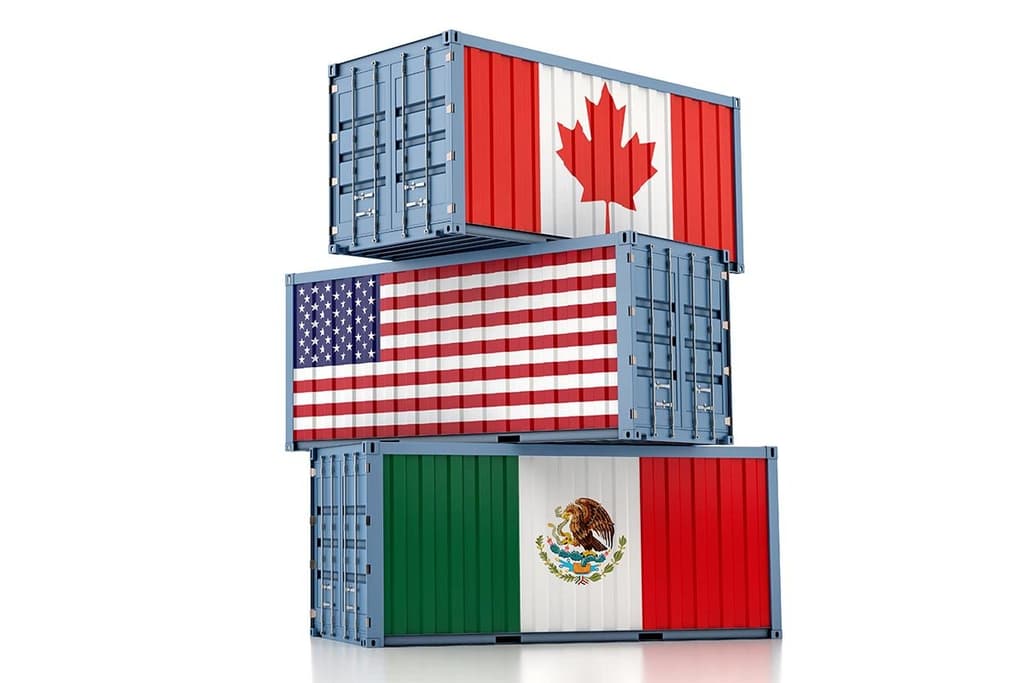
The U.S. decision at the July 1, 2026, USMCA joint review not to confirm a 16-year extension has anchored trader expectations. Under Article 34.7, the United States declined renewal in its current form, triggering annual reviews through 2036 rather than automatic continuation. Mexico and Canada both endorsed extension, but the Trump administration cited trade deficits, automotive rules of origin, and supply-chain concerns as reasons for seeking revisions through ongoing bilateral talks. With the six-year review window now closed and no subsequent 2026 extension agreement reached, the pact remains in force only on its existing terms. This outcome aligns with the 89% implied probability against extension occurring in 2026.
基于Polymarket数据的AI实验性摘要。这不是交易建议,也不影响该市场的结算方式。 · 更新于是
11% 概率
$10,725 交易量
$10,725 交易量
2026-12-31
是
11% 概率
$10,725 交易量
$10,725 交易量
2026-12-31
This market will resolve to “Yes” if the United States-Mexico-Canada Agreement (USMCA) is formally extended by December 31, 2026, 11:59 PM ET. Otherwise, this market will resolve to "No."
A qualifying extension requires all three parties to formally extend the term of the agreement. This may occur through written confirmation of their wish to extend the term for a further period pursuant to USMCA Article 34.7, or through other formal means that clearly and definitively extend the term, such as a unanimous amendment of the agreement. An extension qualifies whether or not it also includes negotiated modifications to the original agreement.
The following will not qualify: announcements unaccompanied by a formal extension; extension of individual provisions that does not extend the agreement's term itself; commitments to extend by fewer than all three parties; and replacement of the USMCA with a separate or successor agreement, as opposed to continuation of the existing agreement.
The primary resolution source is official information from the United States, Canada, and Mexico; however, a consensus of credible reporting may also be used.The U.S. decision at the July 1, 2026, USMCA joint review not to confirm a 16-year extension has anchored trader expectations. Under Article 34.7, the United States declined renewal in its current form, triggering annual reviews through 2036 rather than automatic continuation. Mexico and Canada both endorsed extension, but the Trump administration cited trade deficits, automotive rules of origin, and supply-chain concerns as reasons for seeking revisions through ongoing bilateral talks. With the six-year review window now closed and no subsequent 2026 extension agreement reached, the pact remains in force only on its existing terms. This outcome aligns with the 89% implied probability against extension occurring in 2026.
This market will resolve to “Yes” if the United States-Mexico-Canada Agreement (USMCA) is formally extended by December 31, 2026, 11:59 PM ET. Otherwise, this market will resolve to "No."
A qualifying extension requires all three parties to formally extend the term of the agreement. This may occur through written confirmation of their wish to extend the term for a further period pursuant to USMCA Article 34.7, or through other formal means that clearly and definitively extend the term, such as a unanimous amendment of the agreement. An extension qualifies whether or not it also includes negotiated modifications to the original agreement.
The following will not qualify: announcements unaccompanied by a formal extension; extension of individual provisions that does not extend the agreement's term itself; commitments to extend by fewer than all three parties; and replacement of the USMCA with a separate or successor agreement, as opposed to continuation of the existing agreement.
The primary resolution source is official information from the United States, Canada, and Mexico; however, a consensus of credible reporting may also be used.
A qualifying extension requires all three parties to formally extend the term of the agreement. This may occur through written confirmation of their wish to extend the term for a further period pursuant to USMCA Article 34.7, or through other formal means that clearly and definitively extend the term, such as a unanimous amendment of the agreement. An extension qualifies whether or not it also includes negotiated modifications to the original agreement.
The following will not qualify: announcements unaccompanied by a formal extension; extension of individual provisions that does not extend the agreement's term itself; commitments to extend by fewer than all three parties; and replacement of the USMCA with a separate or successor agreement, as opposed to continuation of the existing agreement.
The primary resolution source is official information from the United States, Canada, and Mexico; however, a consensus of credible reporting may also be used.
市场开放时间: Jul 1, 2026, 5:35 PM ET
交易量
$10,725结束日期
2027-01-01市场开放时间
Jul 1, 2026, 5:35 PM ETThis market will resolve to “Yes” if the United States-Mexico-Canada Agreement (USMCA) is formally extended by December 31, 2026, 11:59 PM ET. Otherwise, this market will resolve to "No."
A qualifying extension requires all three parties to formally extend the term of the agreement. This may occur through written confirmation of their wish to extend the term for a further period pursuant to USMCA Article 34.7, or through other formal means that clearly and definitively extend the term, such as a unanimous amendment of the agreement. An extension qualifies whether or not it also includes negotiated modifications to the original agreement.
The following will not qualify: announcements unaccompanied by a formal extension; extension of individual provisions that does not extend the agreement's term itself; commitments to extend by fewer than all three parties; and replacement of the USMCA with a separate or successor agreement, as opposed to continuation of the existing agreement.
The primary resolution source is official information from the United States, Canada, and Mexico; however, a consensus of credible reporting may also be used.The U.S. decision at the July 1, 2026, USMCA joint review not to confirm a 16-year extension has anchored trader expectations. Under Article 34.7, the United States declined renewal in its current form, triggering annual reviews through 2036 rather than automatic continuation. Mexico and Canada both endorsed extension, but the Trump administration cited trade deficits, automotive rules of origin, and supply-chain concerns as reasons for seeking revisions through ongoing bilateral talks. With the six-year review window now closed and no subsequent 2026 extension agreement reached, the pact remains in force only on its existing terms. This outcome aligns with the 89% implied probability against extension occurring in 2026.
This market will resolve to “Yes” if the United States-Mexico-Canada Agreement (USMCA) is formally extended by December 31, 2026, 11:59 PM ET. Otherwise, this market will resolve to "No."
A qualifying extension requires all three parties to formally extend the term of the agreement. This may occur through written confirmation of their wish to extend the term for a further period pursuant to USMCA Article 34.7, or through other formal means that clearly and definitively extend the term, such as a unanimous amendment of the agreement. An extension qualifies whether or not it also includes negotiated modifications to the original agreement.
The following will not qualify: announcements unaccompanied by a formal extension; extension of individual provisions that does not extend the agreement's term itself; commitments to extend by fewer than all three parties; and replacement of the USMCA with a separate or successor agreement, as opposed to continuation of the existing agreement.
The primary resolution source is official information from the United States, Canada, and Mexico; however, a consensus of credible reporting may also be used.
A qualifying extension requires all three parties to formally extend the term of the agreement. This may occur through written confirmation of their wish to extend the term for a further period pursuant to USMCA Article 34.7, or through other formal means that clearly and definitively extend the term, such as a unanimous amendment of the agreement. An extension qualifies whether or not it also includes negotiated modifications to the original agreement.
The following will not qualify: announcements unaccompanied by a formal extension; extension of individual provisions that does not extend the agreement's term itself; commitments to extend by fewer than all three parties; and replacement of the USMCA with a separate or successor agreement, as opposed to continuation of the existing agreement.
The primary resolution source is official information from the United States, Canada, and Mexico; however, a consensus of credible reporting may also be used.
交易量
$10,725结束日期
2027-01-01市场开放时间
Jul 1, 2026, 5:35 PM ETThe U.S. decision at the July 1, 2026, USMCA joint review not to confirm a 16-year extension has anchored trader expectations. Under Article 34.7, the United States declined renewal in its current form, triggering annual reviews through 2036 rather than automatic continuation. Mexico and Canada both endorsed extension, but the Trump administration cited trade deficits, automotive rules of origin, and supply-chain concerns as reasons for seeking revisions through ongoing bilateral talks. With the six-year review window now closed and no subsequent 2026 extension agreement reached, the pact remains in force only on its existing terms. This outcome aligns with the 89% implied probability against extension occurring in 2026.
基于Polymarket数据的AI实验性摘要。这不是交易建议,也不影响该市场的结算方式。 · 更新于


警惕外部链接哦。
警惕外部链接哦。
常见问题