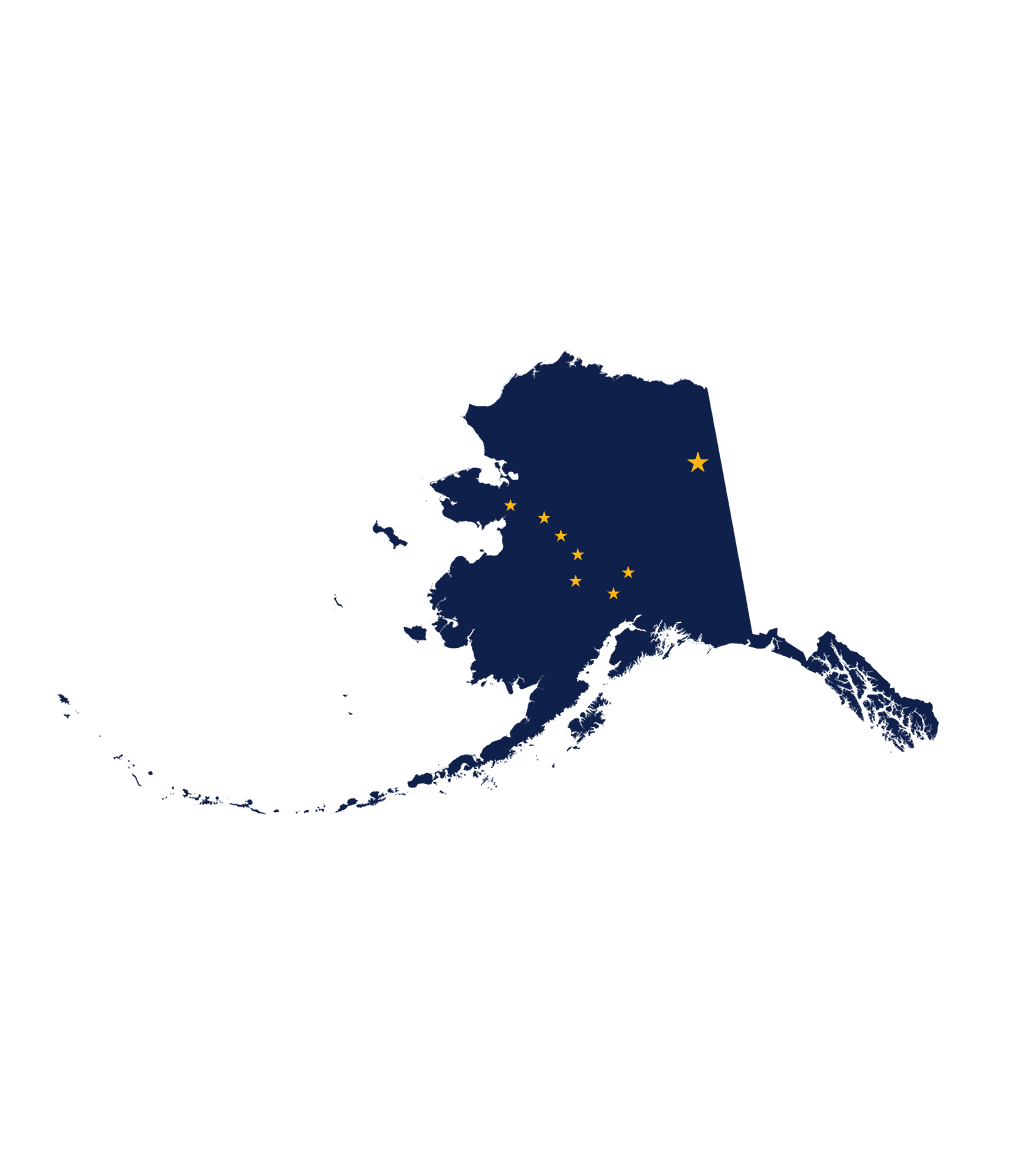
Mary Peltola holds a commanding position in trader assessments for the August 18 Alaska Senate primary because of her substantial fundraising edge, consistent polling leads, and high name recognition from prior statewide victories as a former U.S. representative. Recent campaign finance reports show her outraising incumbent Sen. Dan Sullivan by a wide margin since April, supporting extensive grassroots organizing and labor endorsements. The presence of a second Republican candidate sharing Sullivan’s name on the ballot adds potential vote fragmentation in the top-four nonpartisan primary, which advances candidates to a ranked-choice general election. Traders price in these structural and resource advantages as decisive for the primary outcome. Late shifts remain possible from unusually high turnout among lesser-known candidates or last-minute developments, though no such events have materialized in the final days before voting.
基于Polymarket数据的AI实验性摘要。这不是交易建议,也不影响该市场的结算方式。 · 更新于玛丽·佩尔托拉 91.3%
参议员丹·S·沙利文 8.4%
大卫·莱斯利 <1%
雪莉·索瑟曼 <1%
$44,847 交易量
$44,847 交易量
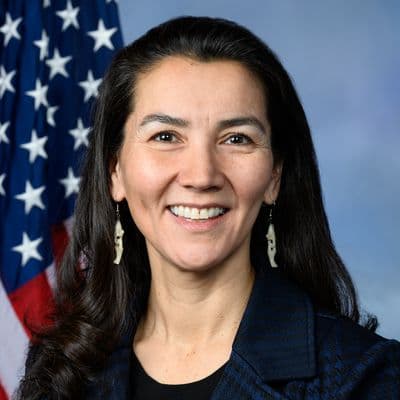
玛丽·佩尔托拉
91%

参议员丹·S·沙利文
8%

大卫·莱斯利
<1%
雪莉·索瑟曼
<1%

理查德·格雷森
<1%
理查德·本尼迪克特·梅耶斯
<1%
厄尔·D·“斯基普”·索斯沃思
<1%

达斯汀·达登
<1%

卡罗尔·哈夫纳
<1%

Gerald L. Heikes
<1%

丹·J·沙利文
<1%
Fred C. Grauberger
<1%

西德·希尔
<1%

斯科特·科尔哈斯
<1%
希瑟·麦克尔韦恩
<1%

里斯·罗伯茨
<1%
玛丽·佩尔托拉 91.3%
参议员丹·S·沙利文 8.4%
大卫·莱斯利 <1%
雪莉·索瑟曼 <1%
$44,847 交易量
$44,847 交易量
玛丽·佩尔托拉
91%
参议员丹·S·沙利文
8%
大卫·莱斯利
<1%
雪莉·索瑟曼
<1%
理查德·格雷森
<1%
理查德·本尼迪克特·梅耶斯
<1%
厄尔·D·“斯基普”·索斯沃思
<1%
达斯汀·达登
<1%
卡罗尔·哈夫纳
<1%
Gerald L. Heikes
<1%
丹·J·沙利文
<1%
Fred C. Grauberger
<1%
西德·希尔
<1%
斯科特·科尔哈斯
<1%
希瑟·麦克尔韦恩
<1%
里斯·罗伯茨
<1%
The named candidates will be primarily ranked by the number of valid votes received in the specified election. If two or more candidates are tied on valid votes, ties will be broken by alphabetical order of the candidates' last names. This market will resolve to the candidate that occupies the highest finishing position after applying this ranking.
If the results of this election are not definitively known by December 31, 2026, this market will resolve to “Other.”
This market will resolve based on the results of the primary election for Senator from Alaska as indicated by a consensus of credible reporting. If there is ambiguity, this market will resolve based solely on the official results as reported by the government of Alaska, specifically the Division of Elections.
市场开放时间: Jul 1, 2026, 4:48 PM ET
Resolver
0x69c47De9D...The named candidates will be primarily ranked by the number of valid votes received in the specified election. If two or more candidates are tied on valid votes, ties will be broken by alphabetical order of the candidates' last names. This market will resolve to the candidate that occupies the highest finishing position after applying this ranking.
If the results of this election are not definitively known by December 31, 2026, this market will resolve to “Other.”
This market will resolve based on the results of the primary election for Senator from Alaska as indicated by a consensus of credible reporting. If there is ambiguity, this market will resolve based solely on the official results as reported by the government of Alaska, specifically the Division of Elections.
Resolver
0x69c47De9D...Mary Peltola holds a commanding position in trader assessments for the August 18 Alaska Senate primary because of her substantial fundraising edge, consistent polling leads, and high name recognition from prior statewide victories as a former U.S. representative. Recent campaign finance reports show her outraising incumbent Sen. Dan Sullivan by a wide margin since April, supporting extensive grassroots organizing and labor endorsements. The presence of a second Republican candidate sharing Sullivan’s name on the ballot adds potential vote fragmentation in the top-four nonpartisan primary, which advances candidates to a ranked-choice general election. Traders price in these structural and resource advantages as decisive for the primary outcome. Late shifts remain possible from unusually high turnout among lesser-known candidates or last-minute developments, though no such events have materialized in the final days before voting.
基于Polymarket数据的AI实验性摘要。这不是交易建议,也不影响该市场的结算方式。 · 更新于

警惕外部链接哦。
警惕外部链接哦。
常见问题