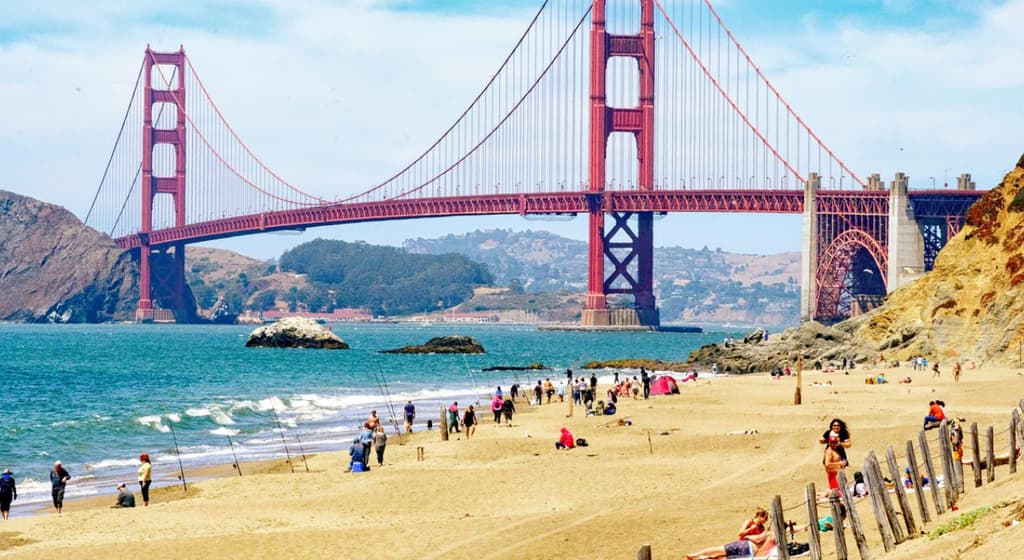
Current forecast models from the National Weather Service and ensemble runs indicate San Francisco highs on July 15 will likely settle in the 70–73°F range, reflecting the dominant influence of the cool California Current and a moderate marine layer that limits daytime warming through fog, stratus, and onshore flow. These conditions typically cap temperatures near seasonal normals of 67–72°F, with slight upward pressure possible if high pressure weakens the layer and allows more solar heating or reduced wind. Lower outcomes would require stronger onshore advection or deeper fog, while rarer spikes above 74°F hinge on offshore flow or clear-sky subsidence—scenarios models currently assign low probability. Traders weigh these atmospheric dynamics against historical July variability at KSFO, where the marine environment keeps extremes infrequent.
Experimental AI-generated summary referencing Polymarket data. This is not trading advice and plays no role in how this market resolves. · UpdatedHighest temperature in San Francisco on July 15?
Highest temperature in San Francisco on July 15?
70-71°F 28%
72-73°F 25%
74-75°F 19%
68-69°F 16%
67°F or below
9%
68-69°F
16%
70-71°F
28%
72-73°F
25%
74-75°F
13%
76-77°F
5%
78-79°F
3%
80-81°F
<1%
82-83°F
1%
84-85°F
<1%
86°F or higher
<1%
70-71°F 28%
72-73°F 25%
74-75°F 19%
68-69°F 16%
67°F or below
9%
68-69°F
16%
70-71°F
28%
72-73°F
25%
74-75°F
13%
76-77°F
5%
78-79°F
3%
80-81°F
<1%
82-83°F
1%
84-85°F
<1%
86°F or higher
<1%
The resolution source for this market will be information from Wunderground, specifically the highest temperature recorded for all times on this day for the San Francisco International Airport Station, available here: https://www.wunderground.com/history/daily/us/ca/san-francisco/KSFO.
To toggle between Fahrenheit and Celsius, click the gear icon next to the search bar and switch the Temperature setting between °F and °C.
This market can not resolve until the first data point for the following date has been published on the resolution source.
The resolution source for this market measures temperatures to whole degrees Fahrenheit (eg, 21°F). Thus, this is the level of precision that will be used when resolving the market.
Revisions to temperatures recorded within this market's timeframe will be considered until the first datapoint for the following date has been published, after which any alterations will not be considered.
Market Opened: Jul 13, 2026, 10:03 PM ET
Resolution Source
https://www.wunderground.com/history/daily/us/ca/san-francisco/KSFOResolver
0x69c47De9D...The resolution source for this market will be information from Wunderground, specifically the highest temperature recorded for all times on this day for the San Francisco International Airport Station, available here: https://www.wunderground.com/history/daily/us/ca/san-francisco/KSFO.
To toggle between Fahrenheit and Celsius, click the gear icon next to the search bar and switch the Temperature setting between °F and °C.
This market can not resolve until the first data point for the following date has been published on the resolution source.
The resolution source for this market measures temperatures to whole degrees Fahrenheit (eg, 21°F). Thus, this is the level of precision that will be used when resolving the market.
Revisions to temperatures recorded within this market's timeframe will be considered until the first datapoint for the following date has been published, after which any alterations will not be considered.
Resolution Source
https://www.wunderground.com/history/daily/us/ca/san-francisco/KSFOResolver
0x69c47De9D...Current forecast models from the National Weather Service and ensemble runs indicate San Francisco highs on July 15 will likely settle in the 70–73°F range, reflecting the dominant influence of the cool California Current and a moderate marine layer that limits daytime warming through fog, stratus, and onshore flow. These conditions typically cap temperatures near seasonal normals of 67–72°F, with slight upward pressure possible if high pressure weakens the layer and allows more solar heating or reduced wind. Lower outcomes would require stronger onshore advection or deeper fog, while rarer spikes above 74°F hinge on offshore flow or clear-sky subsidence—scenarios models currently assign low probability. Traders weigh these atmospheric dynamics against historical July variability at KSFO, where the marine environment keeps extremes infrequent.
Experimental AI-generated summary referencing Polymarket data. This is not trading advice and plays no role in how this market resolves. · Updated
Beware of external links.
Beware of external links.
Frequently Asked Questions