
The April 2026 U.S.-Iran ceasefire, which encompassed Israel and was mediated by Pakistan, halted major direct hostilities after the February-March war but proved fragile, with intermittent strikes tied to Hezbollah operations in Lebanon and disputes over the Strait of Hormuz. A June memorandum of understanding set a 60-day path to broader resolution including sanctions relief and nuclear talks, yet Iranian vessel attacks prompted U.S. declarations that the truce had ended in July. As of early August, U.S. officials describe renewed diplomatic engagement while Iranian statements deny active negotiations, leaving outcomes dependent on compliance with de-escalation terms, proxy restraint, and any follow-on agreements before potential escalation windows close.
Experimental AI-generated summary referencing Polymarket data. This is not trading advice and plays no role in how this market resolves. · UpdatedIsrael launches strikes in southern Lebanon citing ceasefire violations
August 15 jumps to 91%12%
On August 5, 2026, Israel ordered evacuations and launched strikes against Hezbollah targets in southern Lebanon, citing ceasefire violations, highlighting the fragility of the ceasefire and impacting market confidence for mid and late August.
Israel launches strikes against Hezbollah targets after ceasefire violation
August 15 jumps to 72%8%
On August 5, Israel ordered evacuations in southern Lebanon and launched precise strikes against Hezbollah targets in response to a ceasefire violation by the group, highlighting the fragility of the ceasefire and raising concerns about broader conflict escalation.
Israel strikes Lebanon after accusing Hezbollah of ceasefire violation
August 15 jumps to 88%10%
On August 5, Israel conducted strikes in Lebanon following accusations of Hezbollah violating the ceasefire, maintaining regional tensions but no direct qualifying military action against Iran, thus not ending the Israel-Iran ceasefire.
Israel resumes strikes in southern Lebanon citing Hezbollah ceasefire violation
August 15 surges to 88%24%
On August 5, 2026, the Israeli army ordered evacuations in southern Lebanon and began precise strikes against Hezbollah targets in response to a 'complete violation of the ceasefire' by Hezbollah, highlighting the fragility of the ceasefire and raising concerns about escalation.
Israeli military resumes strikes in southern Lebanon citing Hezbollah ceasefire violation
August 15 surges to 89%25%
On August 5, Israel launched strikes in southern Lebanon in response to Hezbollah's violation of the ceasefire, increasing regional tensions and causing market uncertainty for later ceasefire dates.
Israel-Lebanon talks kick off in Rome amid regional ceasefire tensions
August 15 jumps to 64%14%
On August 4, Israeli and Lebanese officials began talks in Rome aimed at advancing a US-brokered peace agreement. Qatar called on the international community to pressure Israel to uphold its ceasefire commitments, reflecting ongoing diplomatic efforts and regional tensions.
Israeli and Lebanese officials begin US-sponsored peace talks in Rome
On August 4, Israeli and Lebanese officials started a new round of US-sponsored talks in Rome aimed at ending fighting and implementing a peace agreement, signaling diplomatic progress that supported market optimism for the ceasefire.
No new qualifying military strikes reported between Israel and Iran
No direct military actions qualifying as ceasefire violations between Israel and Iran were reported, supporting market confidence in the ceasefire continuation through early August.
Israeli forces intensify operations in Gaza amid ceasefire talks
August 4 surges to 99%32%
On August 3, Israeli military intensified operations in Gaza while Hamas called for a complete ceasefire, reflecting ongoing regional tensions affecting ceasefire market sentiment.
US pauses new strikes on Iran amid ceasefire talks, warns of resuming attacks
August 15 jumps to 77%5%
On August 3, the US announced a pause in new strikes on Iran while ceasefire talks continued, temporarily boosting market confidence in the ceasefire's persistence through early August despite ongoing regional tensions.
Israeli Defense Minister Israel Katz justifies strikes amid ceasefire as preemptive
August 3 surges to 100%40%
On August 3, 2026, Israel Defense Forces justified airstrikes against terror operatives advancing attacks, stating the strikes were necessary to remove threats, which maintained the ceasefire status as no direct Israel-Iran military action occurred.
Explosion near tanker off Oman amid regional tensions
August 9 jumps to 87%7%
An explosion near a tanker off the coast of Oman on August 3, 2026, raised concerns about renewed hostilities in the region, contributing to market caution about the ceasefire's stability.
US pauses new strikes on Iran amid ceasefire talks, warns of resuming attacks
August 31 jumps to 83%6%
On August 3, 2026, the US announced a pause in strikes on Iran at the Iranian regime's request while ceasefire talks continued. President Trump warned that attacks would resume if a new ceasefire deal was not reached, causing temporary market stabilization but ongoing uncertainty.
Israeli Defense Forces conduct precise aerial strikes amid ceasefire tensions
On August 3, the IDF justified strikes against operatives advancing attacks despite the ceasefire, reflecting ongoing hostilities that tempered market optimism about the ceasefire lasting through early August.
US pauses new strikes on Iran amid ceasefire talks, warns of resuming attacks
August 3 jumps to 77%6%
The US military paused new strikes on Iran while diplomatic talks continued, signaling restraint and increasing market confidence in the ceasefire holding through early August.
US resumes naval blockade of Iranian ports amid renewed hostilities
August 2 jumps to 98%6%
The US reinstated its naval blockade on Iranian ports following attacks on commercial vessels, marking a deterioration in ceasefire conditions and causing a slight dip in market confidence for August dates.
US President Trump announces negotiations with Iran to finalize Strait of Hormuz deal
August 3 surges to 100%40%
On August 2, Trump announced upcoming negotiations with Iran to finalize a deal reopening the Strait of Hormuz, signaling diplomatic progress and boosting ceasefire market confidence.
US and Iran agree to cease exchange of attacks after renewed tensions
August 2 surges to 97%15%
On June 28, the US and Iran agreed to cease their exchange of attacks, temporarily stabilizing the situation and supporting market confidence in the ceasefire continuing through early August.
US President Trump announces negotiations with Iran to reopen Strait of Hormuz
August 15 surges to 88%38%
On August 2, Trump announced upcoming negotiations with Iran to finalize a deal reopening the Strait of Hormuz, signaling diplomatic progress and supporting confidence in the ceasefire.
Negotiations between Iran and Oman on Strait of Hormuz governance near completion
August 15 rises to 92%3%
On August 2, Iran's Foreign Minister Abbas Araghchi stated that negotiations with Oman over a mutual mechanism to govern the Strait of Hormuz were in their final stages, signaling potential progress in regional stability and indirectly supporting the ceasefire market.
US President Trump says negotiations with Iran to finalize deal reopening Strait of Hormuz
August 4 surges to 99%32%
On August 2, 2026, US President Trump announced that negotiations with Iran would begin to finalize a deal reopening the Strait of Hormuz, signaling diplomatic progress and supporting market confidence in the ceasefire continuing through early August.
US President Trump touts progress on Gaza peace effort as war with Iran drags on
On August 2, President Trump highlighted progress on peace efforts in Gaza while the war with Iran continued. The US military maintained its naval blockade and redirected commercial vessels, signaling ongoing pressure but no direct breach of the Israel-Iran ceasefire, supporting high market confidence for near-term ceasefire dates.
Iran suspends offensive operations; Netanyahu warns Israel will respond with force to new attacks
August 3 jumps to 73%13%
On August 1, Iran announced suspension of offensive operations while Israeli Prime Minister Netanyahu warned of strong responses to any renewed Iranian attacks, signaling a tense but holding ceasefire that influenced market prices upward.
US Treasury chief announces seized Iran assets will go to Iranian people
On August 1, the US Treasury chief declared that seized Iranian assets would be redirected to benefit the Iranian people, reflecting a diplomatic approach that supported ceasefire prospects and contributed to market optimism for the August 4 outcome.
Israeli Defense Forces destroy Hezbollah tunnel system in southern Lebanon during ceasefire
August 3 rises to 100%1%
On July 31, the Israeli Defense Forces destroyed Hezbollah's tunnel network in southern Lebanon, justifying the strike as self-defense despite the ceasefire, which maintained pressure on the ceasefire's stability and regional tensions.
US and Iran resume hostilities; ceasefire effectively collapsed
August 9 plunges to 48%42%
By August 1, 2026, both the US and Iran had resumed military strikes following the collapse of the Islamabad Memorandum, with the market reflecting near certainty that the ceasefire would not hold through later August dates.
Iran announces suspension of offensive operations amid renewed ceasefire talks
August 1 jumps to 94%9%
On August 1, Iran's military announced it was halting offensive operations, while Israeli Prime Minister Netanyahu warned of forceful response to any new attacks, reflecting a tense but ongoing ceasefire that supported market confidence in ceasefire continuation.
Israel assesses Iran will fire missiles even if it doesn’t initially join new US offensive
August 2 jumps to 100%12%
Israel's assessment of potential Iranian missile attacks despite Iran not joining a new US offensive raised regional tensions but did not result in direct qualifying military actions, maintaining the ceasefire status.
US President Trump signals ongoing negotiations with Iran amid ceasefire talks
August 2 jumps to 100%14%
On August 1, President Trump indicated that negotiations with Iran would begin soon to finalize a deal reopening the Strait of Hormuz, signaling diplomatic progress that supported market confidence in the ceasefire continuing.
US President Trump meets Israeli Prime Minister Netanyahu to discuss Iran threat
August 9 plunges to 72%16%
On August 1, President Trump and Prime Minister Netanyahu met to discuss the Iran conflict and ongoing diplomatic efforts, reinforcing commitment to the ceasefire and diplomatic resolution, supporting market confidence.
US Treasury chief announces seized Iran assets will go to Iranian people
August 9 rises to 94%4%
On July 31, the US Treasury chief declared that seized Iranian assets would be redirected to benefit the Iranian people, reflecting a diplomatic approach that supported ceasefire prospects and contributed to market optimism for ceasefire continuation.
Israeli military kills Hamas commanders despite ongoing ceasefire
August 1 dips to 84%1%
On August 1, Israeli forces killed key Hamas commanders in Gaza, violating the ceasefire and raising concerns about its durability. This action contributed to a decline in market confidence for the ceasefire continuing through early August.
Lebanese Prime Minister accuses Israel of violating Lebanon ceasefire amid attacks
August 9 rises to 99%4%
On July 31, Lebanese Prime Minister Nawaf Salam accused Israel of breaching Lebanon's sovereignty and violating the ceasefire with attacks in southern Lebanon. This heightened regional tensions and reduced confidence in the broader Israel-Iran ceasefire continuing.
Israel intensifies military operations in Gaza amid ceasefire efforts
August 4 surges to 99%19%
On August 1, Israeli forces intensified military operations in the Gaza Strip despite ongoing ceasefire efforts, reflecting continued regional tensions. While this did not directly breach the Israel-Iran ceasefire terms, it contributed to market caution for longer-term ceasefire outcomes.
US and Iran pause strikes amid renewed diplomatic efforts
August 4 surges to 99%25%
On August 1, both the US and Iran paused military strikes, with US officials indicating President Trump was giving talks 'some space' to develop, increasing market confidence in the ceasefire holding through early August.
Pakistani and Qatari mediators propose 10-day ceasefire to Iran and US
July 31 jumps to 95%5%
On July 31, mediators from Pakistan and Qatar proposed a 10-day ceasefire to Iran and the US, which Iran confirmed receiving. This diplomatic effort helped sustain market confidence in the ceasefire continuing through late July despite ongoing regional hostilities.
Israeli military demolishes Hezbollah tunnel system in southern Lebanon during ceasefire
August 4 surges to 95%28%
On July 31, Israel destroyed Hezbollah's tunnel system in southern Lebanon, justifying the strike as self-defense amid ceasefire conditions, raising regional tensions and causing market uncertainty about the ceasefire's durability.
Iran launches drone strikes at US military facilities amid escalating conflict
July 31 jumps to 99%8%
On July 31, 2026, Iran's army launched drone strikes at US military facilities in Kuwait, signaling ongoing regional conflict escalation. Despite this, no qualifying military action by Israel against Iran was reported, supporting high market confidence in the ceasefire continuing through July 31.
US and Iran pause attacks for second consecutive day amid ceasefire talks
August 2 surges to 98%19%
Both the US and Iran paused their attacks for a second straight day as negotiations on an interim ceasefire deal continued, temporarily boosting market confidence in the ceasefire's persistence through July 31.
US and Iran agree to cease exchange of attacks after renewed tensions
July 31 rises to 98%3%
On July 31, the US and Iran agreed to cease their exchange of attacks following renewed tensions and strikes, temporarily stabilizing the situation and boosting market confidence in the ceasefire continuing through early August.
Trump touts progress on Gaza peace effort as Iran war drags on
July 31 jumps to 100%6%
President Trump highlighted progress in Gaza peace talks while the war with Iran continued, signaling ongoing regional tensions but also diplomatic efforts that supported the ceasefire market's high probabilities.
US Treasury chief announces seized Iran assets will go to Iranian people
August 1 surges to 94%17%
On July 31, the US Treasury chief declared that seized Iranian assets would be redirected to benefit the Iranian people, reflecting a diplomatic approach that supported ceasefire prospects and contributed to market optimism for ceasefire continuation.
Israel demolishes Hezbollah tunnel system in southern Lebanon during ceasefire
July 31 drops to 89%7%
On July 31, Israel announced the demolition of Hezbollah’s tunnel system in southern Lebanon, justifying the strike as a defensive measure amid the ceasefire. This military action raised tensions but did not end the ceasefire, influencing market prices moderately downward before recovery.
US and Iran exchange strikes in Jordan and Gulf states amid ceasefire tensions
August 1 jumps to 86%7%
Reports on July 31 revealed undisclosed Iranian strikes against US forces in Jordan and subsequent US retaliations, indicating ongoing hostilities that challenged the ceasefire but did not conclusively end it, causing market uncertainty.
US military enforces naval blockade on Iranian ports amid ongoing conflict
August 2 rises to 93%3%
The US military redirected commercial vessels and disabled ships as part of its naval blockade on Iranian ports, maintaining pressure on Iran and contributing to ongoing tensions affecting the ceasefire market.
IDF demolishes Hezbollah tunnel system in southern Lebanon during ceasefire
August 1 rises to 100%1%
On July 31, the Israeli Defense Forces destroyed Hezbollah's tunnel network in southern Lebanon, justifying the strike as self-defense despite the ceasefire, which maintained pressure on the ceasefire's stability.
Hamas agrees to plan to hand over weapons in Gaza contingent on Israeli ceasefire
July 31 jumps to 100%6%
Hamas agreed to a specific plan to disarm in Gaza if Israel upholds its end of the ceasefire, signaling potential regional de-escalation and positively influencing market confidence in the ceasefire.
Lebanese Prime Minister accuses Israel of violating ceasefire with strikes in south Lebanon
August 2 rises to 93%3%
Lebanese Prime Minister Nawaf Salam accused Israel of breaching Lebanon’s sovereignty amid Israeli attacks in southern Lebanon, calling them a clear violation of the ceasefire, which heightened tensions and affected market sentiment.
President Trump declares US-Iran ceasefire 'over' amid renewed strikes
August 15 plunges to 20%49%
President Trump declared the ceasefire with Iran over following renewed strikes, signaling a collapse of the ceasefire agreement and causing a sharp drop in market confidence for longer ceasefire durations.
Israeli military demolishes Hezbollah tunnel system in southern Lebanon during ceasefire
August 1 surges to 95%18%
On July 31, Israel destroyed Hezbollah's tunnel system in southern Lebanon, justifying the strike as self-defense amid ceasefire conditions, raising regional tensions and causing market uncertainty about the ceasefire's durability.
US President Trump touts progress on Gaza peace effort amid ongoing Iran war
August 1 surges to 95%18%
On July 31, Trump highlighted progress in Gaza peace efforts while the Iran war continued, reflecting complex regional dynamics that supported cautious optimism about ceasefire maintenance, influencing market prices positively.
Trump announces ceasefire with Iran is over but negotiations continue
August 4 plunges to 61%38%
On July 31, 2026, President Trump announced that the ceasefire with Iran was over following renewed strikes, yet stated that negotiations could continue, reflecting a deteriorating but not fully collapsed diplomatic process.
Israeli military strikes Hezbollah tunnels in southern Lebanon amid ceasefire
August 1 dips to 98%1%
On July 31, 2026, the Israeli military demolished Hezbollah tunnel systems in southern Lebanon, justifying the strikes as defensive actions during the ceasefire period, which contributed to market uncertainty about the ceasefire's durability.
Trump touts progress on Gaza peace effort as war with Iran drags on
August 3 surges to 100%40%
President Trump announced progress on Gaza ceasefire efforts while the war with Iran continued, with US military maintaining strikes and Israel-Lebanon ceasefire talks ongoing, supporting high market confidence in ceasefire continuation through early August.
US and Iran pause attacks for second consecutive day amid ceasefire talks
August 15 rises to 93%4%
On July 27, 2026, both the US and Iran paused their attacks for a second straight day as negotiations on an interim ceasefire deal continued, temporarily boosting market confidence in the ceasefire's persistence through July 31.
Trump announces progress on Gaza peace amid ongoing Iran war
August 3 surges to 100%40%
On July 31, 2026, President Trump announced progress on Gaza peace efforts while the war with Iran continued. Despite ongoing US military strikes, the announcement and diplomatic efforts helped maintain high market confidence in the ceasefire holding through early August.
Israeli Defense Forces destroy Hezbollah tunnel system in southern Lebanon
August 4 surges to 100%37%
On July 31, the IDF demolished Hezbollah's tunnel network beneath the Beaufort Ridge as a response to ceasefire violations, maintaining pressure on the ceasefire's stability and influencing market perceptions for the August 4 outcome.
Lebanese Prime Minister accuses Israel of violating Lebanon ceasefire amid attacks
August 4 surges to 99%36%
Lebanese Prime Minister Nawaf Salam accused Israel of breaching Lebanon's sovereignty and violating the ceasefire with attacks in southern Lebanon on July 31, heightening regional tensions and reducing confidence in the broader Israel-Iran ceasefire.
Trump touts progress on Gaza peace effort as war with Iran drags on
August 1 surges to 94%17%
President Trump highlighted progress on Gaza peace efforts while the Iran war continued, signaling ongoing diplomatic activity that helped maintain some market optimism about ceasefire continuation.
US and Iran pause attacks for second consecutive day amid ceasefire talks
August 4 surges to 99%42%
The US and Iran paused attacks for two days as negotiations on an interim ceasefire deal continued, temporarily boosting market confidence in the ceasefire's persistence through July 31.
President Trump discusses Gaza peace effort and ongoing Iran war at Camp David
August 4 rises to 100%1%
Trump held a Cabinet meeting discussing Gaza peace and the Iran war, signaling ongoing US engagement and military pressure on Iran, which maintained market optimism about ceasefire continuation despite conflict risks.
President Trump announces progress on Gaza peace amid ongoing Iran war
August 4 jumps to 73%6%
Trump announced a Gaza ceasefire agreement and discussed the Iran war, signaling diplomatic efforts that slightly improved market confidence in the ceasefire continuing through early August.
Israeli Defense Forces conduct precise aerial strikes amid ceasefire tensions
August 3 surges to 84%24%
The IDF justified strikes against operatives advancing attacks despite the ceasefire, reflecting ongoing hostilities that tempered market optimism about the ceasefire lasting through early August.
US military enforces naval blockade on Iran, redirects commercial vessels amid ongoing tensions
August 4 surges to 99%32%
On July 31, US Central Command reported continuing enforcement of the naval blockade against Iran, redirecting commercial vessels and boarding ships. This maintained pressure on Iran but did not constitute a direct strike, supporting market confidence in the ceasefire holding through early August.
Lebanese Prime Minister accuses Israel of violating Lebanon ceasefire amid attacks
August 1 jumps to 99%5%
On July 31, Lebanese Prime Minister Nawaf Salam accused Israel of breaching Lebanon's sovereignty and violating the ceasefire with attacks in southern Lebanon. This heightened regional tensions and reduced confidence in the broader Israel-Iran ceasefire continuing.
Israeli military demolishes Hezbollah tunnel system in southern Lebanon during ceasefire
August 3 surges to 98%38%
On July 31, Israel destroyed Hezbollah's tunnel system in southern Lebanon, justifying the strike as self-defense amid ceasefire conditions, raising regional tensions and causing market uncertainty about the ceasefire's durability.
Trump announces deal to fully disarm Hamas in Gaza amid ongoing Iran war
August 3 jumps to 100%14%
On July 31, 2026, President Trump announced a deal to disarm Hamas in Gaza, which was seen as a positive step towards regional stability, slightly boosting market confidence in ceasefire prospects for early August.
Israeli Defense Minister declares readiness for offensive and defensive operations against Iran
August 9 surges to 98%19%
On July 27, Israel's Defense Minister Israel Katz publicly stated the military's preparedness for both defensive and offensive actions against Iran, maintaining regional tension and influencing market perceptions of ceasefire fragility through July 31 and beyond.
Iran launches drone strikes at US military facilities amid escalating conflict
August 9 jumps to 99%9%
On July 31, Iran's army launched drone strikes at US military facilities in Kuwait, signaling ongoing regional conflict escalation. Despite this, no qualifying military action by Israel against Iran was reported, supporting high market confidence in the ceasefire continuing through July 31.
Israeli military demolishes Hezbollah tunnel system in southern Lebanon during ceasefire
August 9 rises to 98%3%
On July 31, Israel destroyed Hezbollah's tunnel system in southern Lebanon, justifying the strike as self-defense amid ceasefire conditions, raising regional tensions and causing market uncertainty about the ceasefire's durability.
US and Iran pause attacks for second consecutive day amid ceasefire talks
August 1 jumps to 80%13%
On July 27, 2026, both the US and Iran paused their attacks for a second straight day as negotiations on an interim ceasefire deal continued, temporarily boosting market confidence in the ceasefire's persistence through July 31.
US and Iran exchange missile barrages as ceasefire hopes dim
August 1 surges to 100%23%
On July 30, US and Iran engaged in missile exchanges, undermining ceasefire prospects and causing market fluctuations, though no qualifying military action directly between Israel and Iran was confirmed.
Israel condemns Hezbollah ceasefire violation, vows harsh response
July 30 rises to 100%2%
On July 30, Israeli leaders Netanyahu and Katz condemned Hezbollah's alleged ceasefire violation involving underground infrastructure, warning of a harsh response. This heightened tensions but also reinforced Israel's commitment to the ceasefire, contributing to market price recovery for the July 30 and 31 outcomes.
US and Saudi airstrikes kill and wound Iran-linked militias in Iraq
On July 29, US and Saudi airstrikes targeted Iraqi militias with close ties to Iran, killing at least 20 fighters. These actions did not directly impact Israel or Iran's territory, thus not breaching the ceasefire conditions but contributed to regional tensions.
Hezbollah launches explosive drone at Israeli engineering vehicle, violating ceasefire
July 30 dips to 94%2%
On July 29, Hezbollah launched an explosive drone attack on an Israeli vehicle in southern Lebanon, which Israel called a blatant violation of the ceasefire. Despite this, no direct qualifying military action between Israel and Iran occurred, maintaining market confidence.
Hezbollah launches drone attack violating ceasefire in southern Lebanon
August 9 plunges to 72%19%
Hezbollah launched a drone attack on Israeli forces on July 29, violating the ceasefire and raising concerns about renewed hostilities, which contributed to a decline in market confidence in the ceasefire continuing through August 9.
US and Saudi airstrikes kill and wound Popular Mobilization Forces fighters linked to Iran
July 30 dips to 94%2%
On July 29, US and Saudi airstrikes targeted Iraqi militias with close ties to Iran, killing at least 20 fighters. These actions did not directly impact Israel or Iran's territory, thus not breaching the ceasefire conditions, but contributed to regional tensions.
Israel's Defense Minister says US blocking Israeli strikes on Iran's energy infrastructure
August 3 jumps to 71%11%
On July 28, 2026, Israel's Defense Minister Israel Katz stated that the US was preventing Israel from striking Iran's energy infrastructure to avoid broader regional conflict, indicating restraint and supporting the ceasefire's maintenance.
US military says US, Saudi forces struck sites of Iran-backed groups in Iraq
On July 29, 2026, US and Saudi airstrikes targeted Iranian-backed militias in Iraq, killing fighters but not directly impacting Israel or Iran's territory, thus not breaching the ceasefire conditions but contributing to regional tensions.
Israeli Prime Minister Netanyahu meets US President Trump to discuss Iran and regional security
July 29 rises to 99%2%
On July 28, Netanyahu met Trump at the White House to discuss the Iran war and regional security, signaling ongoing high-level coordination and diplomatic engagement that bolstered market confidence in the ceasefire's continuation.
Israeli Prime Minister Netanyahu meets US President Trump to discuss Iran
August 31 surges to 100%28%
On July 28, 2026, Israeli Prime Minister Benjamin Netanyahu met with US President Donald Trump to discuss the Iran conflict and diplomatic efforts, reinforcing commitment to the ceasefire and diplomatic resolution, supporting market confidence.
Israel's Defense Minister says US blocking Israeli strikes on Iran's energy infrastructure
July 29 rises to 71%4%
On July 28, 2026, Israel's Defense Minister Israel Katz stated that the US was preventing Israel from striking Iran's energy infrastructure to avoid broader regional conflict, indicating restraint and supporting the ceasefire's maintenance.
US President Trump meets Israeli Prime Minister Netanyahu amid ceasefire talks
August 4 surges to 100%28%
On July 28, President Trump met with Israeli Prime Minister Netanyahu to discuss the Iran conflict and diplomatic efforts, reinforcing commitment to the ceasefire and diplomatic resolution, which supported market confidence.
Israel refrains from strikes on Iran after US-Iran ceasefire breakdown, supporting ceasefire confidence
August 2 surges to 100%28%
By July 28, Israel had not participated in the latest waves of strikes on Iran following the breakdown of the US-Iran ceasefire, which helped maintain the ceasefire status between Israel and Iran, supporting market confidence for the July 28 and 29 outcomes.
Israeli Prime Minister Netanyahu meets US President Trump to discuss Iran
August 1 surges to 93%16%
On July 28, 2026, Israeli Prime Minister Netanyahu met with US President Trump to discuss the Iran conflict and diplomatic efforts, reinforcing commitment to the ceasefire and supporting market confidence.
US President Trump meets Israeli Prime Minister Netanyahu amid ongoing ceasefire talks
July 28 rises to 100%1%
On July 28, 2026, President Trump met with Israeli Prime Minister Netanyahu to discuss the Iran conflict and diplomatic efforts, reinforcing commitment to the ceasefire and diplomatic resolution, supporting market confidence.
Israeli Prime Minister Netanyahu arrives at White House for talks on Iran threat
On July 28, Israeli Prime Minister Benjamin Netanyahu arrived at the White House for in-person talks with US President Donald Trump to discuss the Iran threat, reflecting ongoing diplomatic efforts and influencing market confidence in the ceasefire continuation.
US President Trump meets Israeli Prime Minister Netanyahu amid ongoing ceasefire talks
August 15 rises to 100%2%
The high-level meeting between Trump and Netanyahu reinforced commitment to the ceasefire and diplomatic resolution, supporting market confidence in the ceasefire continuation.
Israeli Prime Minister Netanyahu meets US President Trump to discuss Iran
August 9 rises to 99%4%
On July 28, 2026, Israeli Prime Minister Benjamin Netanyahu arrived at the White House for in-person talks with US President Donald Trump to discuss the Iran threat, reflecting ongoing diplomatic efforts and influencing market confidence in the ceasefire continuation.
Trump declares ceasefire with Iran is 'over' but signals ongoing negotiations
August 2 rises to 86%4%
On July 8, President Trump declared the ceasefire over following Iranian strikes but indicated negotiations could continue. This statement raised market uncertainty but did not immediately lead to qualifying military actions impacting Israel or Iran, allowing the market to remain positive.
Israel's Defense Minister states military readiness but restraint on strikes against Iran
August 2 jumps to 100%11%
Israel's Defense Minister Israel Katz declared readiness for military operations but indicated US blocking of Israeli strikes on Iran's energy infrastructure, signaling restraint and supporting the ceasefire.
US President Trump and Israeli Prime Minister Netanyahu reaffirm commitment to ceasefire
The meeting between Trump and Netanyahu on July 28 reinforced diplomatic efforts and the commitment to maintain the ceasefire, boosting market confidence across all outcomes.
Netanyahu meets Trump in Washington to discuss Iran war and diplomacy
Israeli Prime Minister Netanyahu's meeting with US President Trump on July 28 focused on Iran war progress and diplomatic options, influencing market perceptions of potential ceasefire outcomes.
Iran launches missile and drone attacks on US bases in Gulf states
August 9 surges to 100%16%
On July 28, Iran launched missile and drone attacks on US military bases in Gulf states, escalating regional tensions. Despite this, Israel refrained from direct qualifying military actions against Iran, supporting market confidence in the ceasefire continuing through late July.
Iran launches missile and drone attacks on US bases in Gulf states
On July 26, 2026, Iran launched missile and drone attacks on US military bases in Gulf states, escalating the conflict and increasing regional tensions. Despite this, Israel refrained from direct qualifying military actions against Iran, supporting market confidence in the ceasefire continuing through late July.
Israel refrains from recent strikes on Iran after ceasefire breakdown between US and Tehran
July 28 rises to 100%1%
By July 28, Israel had not participated in the latest waves of strikes on Iran following the breakdown of the US-Iran ceasefire, which helped maintain the ceasefire status between Israel and Iran, supporting market confidence for the July 28 and 29 outcomes.
President Trump meets Israeli Prime Minister Netanyahu amid ongoing ceasefire talks
August 2 surges to 100%18%
On July 28, 2026, President Trump met with Israeli Prime Minister Netanyahu to discuss the Iran conflict and diplomatic efforts, reinforcing commitment to the ceasefire and diplomatic resolution, supporting market confidence.
US and Iran agree to two-week ceasefire brokered by Pakistan
August 15 surges to 93%43%
On July 17, 2026, the US and Iran signed a 14-point memorandum of understanding that included a conditional ceasefire and plans for negotiations, leading to a sharp increase in market confidence that the ceasefire would hold through late July.
Israeli Defense Minister declares readiness for offensive and defensive operations against Iran
July 31 rises to 98%2%
On July 27, 2026, Israel's Defense Minister Israel Katz publicly stated the military's preparedness for both defensive and offensive actions against Iran, maintaining regional tension and influencing market perceptions of ceasefire fragility through July 27 and beyond.
US pauses new strikes; Iran denies current negotiations with US
August 4 jumps to 81%14%
The US announced a pause in new strikes against Iran while Iran denied ongoing negotiations, reflecting a complex diplomatic environment that maintained market uncertainty but prevented further immediate deterioration.
US and Iran pause attacks for second consecutive day amid ceasefire talks
July 31 jumps to 99%9%
On July 27, 2026, both the US and Iran paused their attacks for a second straight day as negotiations on an interim ceasefire deal continued, temporarily boosting market confidence in the ceasefire's persistence through July 31.
US President Trump warns of resuming attacks if ceasefire deal fails
July 31 dips to 90%4%
President Trump announced the US halted strikes on Iran at Iran's request but warned attacks would resume if a new ceasefire deal was not reached, increasing market uncertainty and causing price volatility.
Israeli Defense Minister declares readiness for offensive and defensive operations against Iran
August 2 surges to 98%23%
On July 27, Israel's Defense Minister Israel Katz publicly stated the military's preparedness for both defensive and offensive actions against Iran, maintaining regional tension and influencing market perceptions of ceasefire fragility through July 27 and beyond.
US pauses new strikes on Iran amid ceasefire talks
August 2 surges to 99%24%
The US announced a pause in strikes on Iran at the Iranian regime's request while ceasefire talks continued, temporarily boosting market confidence in the ceasefire continuing through late July and early August.
US pauses strikes on Iran amid ceasefire talks, warns of resuming attacks if talks fail
August 1 jumps to 85%8%
On July 27, the US announced a pause in strikes on Iran at the Iranian regime's request while ceasefire talks continued. President Trump warned that attacks would resume if a new ceasefire deal was not reached, causing temporary market stabilization but ongoing uncertainty.
Israeli Defense Minister declares readiness for offensive and defensive operations against Iran
August 15 jumps to 98%8%
Israel's Defense Minister Israel Katz publicly stated military preparedness for both defensive and offensive actions against Iran, maintaining regional tension and influencing market perceptions of ceasefire fragility.
Israel's Defense Minister declares readiness for offensive and defensive operations against Iran
August 31 surges to 98%23%
On July 27, 2026, Israel's Defense Minister Israel Katz publicly stated the military's preparedness for both defensive and offensive actions against Iran, maintaining regional tension and influencing market perceptions of ceasefire fragility through late July and beyond.
US pauses new strikes on Iran amid ceasefire talks, warns of resuming attacks if talks fail
On July 27, the US announced a pause in strikes on Iran while diplomatic talks were scheduled in Rome, signaling a de-escalation phase that bolstered market confidence in the ceasefire continuing through late July and early August.
US and Iranian forces pause retaliatory attacks as Omani-mediated talks progress
July 28 jumps to 97%8%
A pause in military actions by US and Iranian forces occurred on July 27 alongside advancing diplomatic talks mediated by Oman, improving market confidence in the ceasefire continuing through late July.
US pauses new strikes on Iran as diplomatic talks continue
August 1 surges to 94%15%
On July 27, the US announced a pause in new strikes on Iran while diplomatic talks were scheduled in Rome, signaling a de-escalation phase that bolstered market confidence in the ceasefire continuing through late July and early August.
US pauses new strikes on Iran amid ceasefire talks, warns of resuming attacks
August 15 surges to 99%24%
On July 27, the US announced a pause in strikes on Iran at the regime's request while ceasefire talks continued. President Trump warned that attacks would resume if a new ceasefire deal was not reached, causing temporary market stabilization but ongoing uncertainty.
US-led talks on Iran ceasefire set for early August amid ongoing conflict
August 4 surges to 99%32%
On July 27, US State Department announced upcoming talks in Rome on August 4-6 to advance peace implementation between Israel and Lebanon, indirectly supporting regional ceasefire hopes.
Israeli and Lebanese officials prepare for US-brokered peace talks in Rome
August 15 jumps to 64%14%
On July 27, Israeli and Lebanese officials announced plans to meet in early August to advance a US-brokered peace agreement, signaling diplomatic progress that supported market optimism for the ceasefire.
US pauses new strikes on Iran amid ceasefire talks, warns of resuming attacks if talks fail
On July 27, 2026, the US announced a pause in strikes on Iran at the Iranian regime's request while ceasefire talks continued. President Trump warned that attacks would resume if a new ceasefire deal was not reached, causing temporary market stabilization but ongoing uncertainty.
Israel boosts ties with Middle East nations amid Iran threat
July 28 jumps to 100%5%
On July 26, 2026, Israel enhanced diplomatic relations with Middle Eastern countries to counter the Iran threat, reflecting ongoing diplomatic efforts that supported market confidence in the ceasefire continuing through late July and beyond.
Israel boosts ties with Middle East nations amid Iran threat
July 31 surges to 98%41%
On July 26, Israel reportedly strengthened diplomatic relations with regional countries concerned about Iran, signaling a strategic effort to contain Iran and support the ceasefire, which positively influenced market sentiment.
Israel strengthens ties with Middle East nations amid Iran threat
On July 26, Israel reportedly boosted diplomatic relations with regional countries to counter the Iranian threat, reflecting strategic positioning without direct military engagement against Iran, supporting market confidence in the ceasefire continuing.
Israel strengthens ties with Middle East nations amid Iran threat
July 26 surges to 100%50%
On July 26, 2026, Israel reportedly boosted diplomatic relations with regional countries to counter the Iranian threat, reflecting strategic positioning without direct military engagement against Iran, supporting market confidence in the ceasefire continuing.
Israel strengthens ties with Middle East nations amid Iran threat
August 9 rises to 84%4%
On July 26, Israel reportedly boosted diplomatic relations with regional countries to counter the Iranian threat, reflecting strategic positioning without direct military engagement against Iran, supporting market confidence in the ceasefire continuing.
Israel strengthens ties with Middle East nations amid Iran threat
August 4 surges to 100%21%
Israel reportedly boosted diplomatic relations with regional countries to counter the Iranian threat, reflecting strategic positioning without direct military engagement against Iran, which supported market confidence in the ceasefire continuing.
Israel strengthens ties with Middle East nations amid Iran threat
August 15 surges to 100%50%
On July 26, Israel reportedly boosted diplomatic relations with regional countries to counter the Iranian threat, reflecting strategic positioning without direct military engagement against Iran, supporting market confidence in the ceasefire continuing.
Pakistani and Qatari mediators propose 10-day ceasefire to Iran and US
July 31 surges to 95%46%
Mediators from Pakistan and Qatar proposed a 10-day ceasefire to Iran and the US, which Iran confirmed receiving. This diplomatic effort helped sustain market confidence in the ceasefire continuing through late July despite ongoing regional hostilities.
US pauses new strikes; Iran not currently negotiating with US amid diplomatic efforts
July 27 rises to 99%2%
On July 26, the US paused new strikes against Iran while Oman launched a regional diplomatic push for de-escalation. Iran stated it was not currently engaging in peace talks with the US, but diplomatic discussions continued, supporting market confidence in the ceasefire.
US Ambassador Mike Waltz says Trump giving talks 'some space' amid ceasefire pause
July 30 rises to 91%4%
US Ambassador to the UN Mike Waltz confirmed a pause in US-Iran strikes and increased diplomatic efforts, boosting market confidence in the ceasefire continuing through late July and early August.
US Central Command enforces naval blockade against Iran amid ongoing strikes
July 28 rises to 89%4%
On July 26, 2026, US Central Command released footage showing enforcement of a naval blockade against Iran, signaling continued military pressure and contributing to sustained market uncertainty about the ceasefire's longevity.
Israeli Defense Minister declares readiness for offensive and defensive operations against Iran
July 27 rises to 98%1%
Israel's Defense Minister Israel Katz publicly stated the military's preparedness for both defensive and offensive actions against Iran, maintaining regional tension and influencing market perceptions of ceasefire fragility through July 27 and beyond.
Israel boosts ties with Middle East nations amid Iran threat
July 26 rises to 100%3%
On July 26, 2026, Israel reportedly strengthened diplomatic ties with regional countries that understand the threat posed by Iran, signaling regional support for the ceasefire and contributing to sustained market confidence.
Israeli Prime Minister Netanyahu plans Washington visit amid Iran threat
July 30 rises to 88%4%
On July 26, 2026, Israeli Prime Minister Benjamin Netanyahu announced plans to visit Washington to discuss the Iran threat, reflecting ongoing diplomatic efforts and influencing market confidence in the ceasefire continuation.
Israel boosts ties with Middle East nations amid Iran threat
August 31 surges to 100%21%
On July 26, 2026, Israel reportedly strengthened diplomatic relations with regional countries to counter the Iranian threat, reflecting strategic positioning without direct military engagement against Iran, supporting market confidence in the ceasefire continuing.
US and Iran pause strikes amid renewed diplomatic efforts
August 9 surges to 88%15%
Both the US and Iran paused military strikes as diplomatic talks continued, increasing market confidence that the ceasefire would hold through early August.
Mediators report US and Iran exploring ways to restore temporary ceasefire
July 28 surges to 91%25%
On July 26, mediators indicated that Washington and Tehran were exploring ways to restore a temporary ceasefire and ease restrictions on commercial shipping, raising hopes for a pause in hostilities.
Iran launches missile and drone attacks on US bases in Gulf states
July 28 jumps to 100%10%
On July 26, 2026, Iran launched missile and drone attacks on US military bases in Gulf states, escalating the conflict and increasing regional tensions. Despite this, Israel refrained from direct qualifying military actions against Iran, supporting market confidence in the ceasefire continuing through late July.
Israel boosts ties with Middle East nations amid Iran threat
August 2 surges to 100%21%
On July 26, Israel strengthened diplomatic relations with regional countries to counter the Iranian threat, reflecting strategic positioning without direct military engagement against Iran, supporting market confidence in the ceasefire continuing.
US and Iran pause strikes amid renewed diplomatic efforts
August 2 jumps to 88%6%
On July 26, both the US and Iran paused military strikes, with US officials indicating President Trump was giving talks 'some space' to develop. This pause increased market confidence in the ceasefire holding through early August.
US pauses new strikes on Iran; Iran not engaging in peace talks
July 31 surges to 70%21%
On July 26, the US paused new strikes while Iran stated it was not currently engaging in peace talks, reflecting stalled diplomatic progress and contributing to market uncertainty about the ceasefire's durability.
Israel strengthens diplomatic ties with Middle East nations amid Iran threat
August 15 surges to 100%30%
Israel's diplomatic efforts to build regional support against Iran contributed to market confidence in the ceasefire continuing through late July and beyond, reflecting strategic positioning without direct military engagement.
US and Iranian forces pause retaliatory attacks as Omani-mediated talks progress
July 28 jumps to 97%5%
A pause in military actions by US and Iranian forces occurred alongside advancing diplomatic talks mediated by Oman, improving market confidence in the ceasefire continuing through late July.
US military pauses strikes on Iran following directive from President Trump
July 26 rises to 97%3%
On July 25, 2026, US President Trump ordered a halt to US military strikes on Iran, marking the first pause in nearly two weeks of continuous attacks. This decision increased market confidence in the ceasefire continuing through late July.
US and Iran hit pause on strikes amid ongoing ceasefire talks
July 30 surges to 98%32%
Following nearly two weeks of fighting, strikes between the US and Iran paused, signaling a temporary de-escalation and boosting market confidence in the ceasefire continuing through late July.
Israel and Lebanon cooperate on pilot zones as part of ceasefire implementation
July 25 surges to 91%32%
On July 25, Israel and Lebanon advanced cooperation on pilot zones in southern Lebanon, signaling partial progress in ceasefire enforcement and supporting market confidence in the ceasefire continuing through that date.
Israel considers new military operation against Iran amid escalating tensions
July 25 surges to 91%32%
Reports on July 25 indicated Israel was preparing for potential new military operations against Iran, reflecting heightened conflict risk and tempering market optimism about the ceasefire's durability.
Iranian-backed Houthis attack Saudi oil facilities amid regional tensions
July 27 surges to 93%22%
On July 25, the Iran-aligned Houthis carried out missile and drone strikes targeting Saudi Aramco oil facilities, escalating regional conflict and influencing market perceptions of ceasefire stability.
Iranian missile and drone attacks continue amid ceasefire tensions
July 27 jumps to 87%8%
On July 25, Iran continued missile and drone attacks on US and allied targets in the Gulf region, escalating tensions but without direct military action against Israel, supporting the market's high confidence in the Israel-Iran ceasefire continuation through this date.
US President Trump orders military to hold off strikes on Iran, favors talks
July 30 surges to 90%24%
On July 25, 2026, President Trump directed the US military to pause strikes on Iran, signaling a preference for diplomatic engagement. This decision increased market confidence in the ceasefire holding through the end of July.
US President Trump orders pause in strikes on Iran, signaling diplomatic focus
July 27 surges to 98%28%
On July 25, President Trump directed the US military to halt strikes on Iran for the first time in nearly two weeks, reflecting a shift towards diplomacy and boosting market confidence in the ceasefire holding through late July.
US pauses strikes on Iran for first time in two weeks, Israel braces for escalation
July 27 jumps to 93%5%
On July 25, 2026, the US refrained from striking Iran for the first time in two weeks, while Israeli media reported preparations for a major escalation that did not materialize, temporarily boosting market confidence in the ceasefire.
US military completes 11th night of strikes on Iran as ceasefire talks falter
July 31 plunges to 59%31%
On July 25, 2026, the US military conducted its 11th consecutive night of strikes on Iran, undermining diplomatic efforts to salvage the interim ceasefire. This sustained military pressure decreased confidence in the ceasefire holding through later dates.
US President Trump declares ceasefire with Iran over, vows continued airstrikes
August 1 drops to 77%7%
On July 25, President Donald Trump announced the ceasefire with Iran was over and that airstrikes would continue, signaling a return to active hostilities. This declaration caused a sharp drop in market confidence about the ceasefire holding through the end of July and early August.
Israel and Lebanon advance cooperation on pilot zones amid ceasefire
August 4 surges to 91%18%
On July 25, Israel and Lebanon progressed in cooperation on pilot zones in southern Lebanon, signaling partial enforcement of the ceasefire and boosting market confidence in the ceasefire continuing through that date.
US military completes 11th night of strikes on Iran as ceasefire talks falter
August 15 drops to 59%11%
On July 22, the US military completed its 11th consecutive night of strikes on Iran, undermining diplomatic efforts to salvage the interim ceasefire. This sustained military pressure decreased confidence in the ceasefire holding through later dates.
US missiles strike Iranian military sites near Ahvaz, killing and injuring several
On July 24, US missiles struck multiple locations around Ahvaz in Iran, confirming ongoing US military pressure on Iran but no direct Israeli military action against Iran, which maintained the ceasefire status between Israel and Iran.
Israel activates air defenses to intercept missile debris near Eilat, signals readiness for offensive action
August 1 rises to 92%3%
On July 21, Israel's air defense intercepted fragments of Iranian missiles fired at Jordan threatening Israeli territory near Eilat. Israeli Defense Minister Israel Katz declared readiness for both defensive and offensive actions against Iran, increasing market caution but not indicating a ceasefire breach.
US military launches new strikes on Iran as clashes escalate over shipping routes
July 26 surges to 78%28%
On July 23-24, the US military launched fresh strikes on Iran amid escalating clashes over shipping routes, including the Strait of Hormuz, increasing regional tensions and impacting market confidence.
US military fires on merchant vessel attempting to breach Iranian blockade
July 29 surges to 98%31%
The US military fired on a merchant vessel trying to breach its blockade of Iranian ports, continuing the naval tensions but not involving direct military strikes between Israel and Iran, thus not breaking the ceasefire condition between these two countries.
US military fires on merchant vessel attempting to breach Iranian blockade
July 28 jumps to 99%6%
On July 24, 2026, the US military fired on a merchant vessel trying to breach its blockade of Iranian ports, demonstrating ongoing hostilities and undermining ceasefire prospects, which influenced market prices for later dates.
Iran rejects US ceasefire proposal and continues missile strikes in Middle East
July 28 drops to 90%5%
On July 24, 2026, Iran officially rejected a US-proposed ceasefire and continued missile attacks on Gulf nations and US bases, escalating regional tensions. This caused a slight decline in market confidence for the ceasefire continuing through near-term dates.
US pauses new strikes on Iran amid diplomatic push
July 28 jumps to 73%7%
On July 24-27, 2026, the US signaled a pause in strikes against Iran to support diplomatic efforts, including US-brokered talks between Israeli and Lebanese officials. This pause reinforced market confidence in the ceasefire's continuation.
Netanyahu to meet Trump amid ongoing US strikes on Iran and threats of escalation
July 24 jumps to 99%12%
Israeli Prime Minister Netanyahu's scheduled meeting with US President Trump on July 24, 2026, amid ongoing US strikes on Iran and threats of further military action, reinforced market expectations that the ceasefire might hold but with risks of escalation.
Iran reportedly rejects US ceasefire proposal via Iraqi mediators
On July 24, 2026, Iranian and Iraqi officials confirmed Iran rejected a US ceasefire proposal delivered by Iraqi Prime Minister Ali al-Zaidi, indicating Iran's unwillingness to pause hostilities under current terms and contributing to market uncertainty.
US military strikes Iranian military installations near Ahvaz
July 25 rises to 95%3%
On July 24, 2026, US missiles struck multiple locations around Ahvaz in Iran, killing and injuring several people, escalating hostilities and causing a temporary dip in market confidence for the ceasefire continuation.
Iran-backed Houthis announce blockade of Saudi ports amid regional conflict
July 24 plunges to 75%24%
The Houthi blockade of Saudi ports on July 24 intensified regional tensions linked to the Iran-US conflict, impacting perceptions of ceasefire stability and contributing to market price declines.
US military launches new strikes on Iran amid escalating clashes over shipping routes
July 25 jumps to 84%10%
On July 24, the US military conducted new airstrikes on Iranian targets as clashes escalated over shipping routes in the Strait of Hormuz, increasing regional tensions but not directly involving Israel and Iran in qualifying military actions against each other, supporting the market's high confidence in the ceasefire holding through July 25.
US military launches fresh strikes on Iran amid escalating tensions
July 24 plunges to 75%24%
On July 24, the US conducted new strikes on Iranian targets as both sides threatened civilian infrastructure, escalating the conflict and causing a decline in market confidence in the ceasefire.
Iran suspends offensive operations; Israel warns of full-force retaliation if attacked
July 25 surges to 98%23%
Iran announced suspension of offensive operations while Israel warned it would respond with force to any new Iranian attacks. US President Trump called for an immediate ceasefire and ongoing negotiations, temporarily boosting market confidence for ceasefire continuation through July 25 and beyond.
US missiles strike Iranian military sites near Ahvaz, killing and injuring several
July 26 rises to 84%4%
On July 24, US missiles struck multiple locations around Ahvaz in Iran, killing four and injuring five, confirming ongoing US military pressure on Iran but no direct Israeli military action against Iran, which maintained the ceasefire status between Israel and Iran.
Iranian and Iraqi officials confirm Iran rejected US ceasefire proposal
July 26 jumps to 93%9%
Iranian and Iraqi officials confirmed on July 24 that Iran rejected a US ceasefire proposal delivered by Iraqi Prime Minister Ali al-Zaidi, indicating Iran's unwillingness to pause hostilities under current terms and contributing to market uncertainty.
US military launches fresh strikes on Iran as both sides threaten civilian infrastructure
July 24 jumps to 99%12%
The US military completed its latest round of strikes on Iran, marking a 13th consecutive night of attacks. Iran retaliated by firing missiles at regional targets, escalating tensions and causing market volatility regarding the ceasefire's durability.
Israel considers new military operation against Iran amid escalating tensions
July 23 jumps to 96%7%
By July 23, 2026, Israel declared readiness for both defensive and offensive operations against Iran, with Defense Minister Israel Katz warning of full-force retaliation if Iran attacks. This heightened military posture contributed to market uncertainty but maintained a relatively high probability of ceasefire continuation through July 23.
Iran rejects US ceasefire proposal delivered by Iraqi Prime Minister
July 24 rises to 88%1%
On July 23, 2026, Iran officially rejected a US ceasefire proposal passed along by Iraqi mediators, signaling Iran's confidence in its position and contributing to market uncertainty about the ceasefire's durability.
Iranian missile attack on Jordan and regional strikes escalate tensions
July 24 plunges to 46%41%
On July 23, 2026, Iran launched missile attacks on Jordan and other regional targets, escalating tensions further. This contributed to a sharp drop in market confidence for the ceasefire holding through July 24 and beyond.
Iran rejects latest US ceasefire proposal and continues missile attacks across Middle East
July 24 jumps to 95%8%
Iran officially rejected a US-proposed ceasefire passed through Iraq and continued missile strikes on Gulf nations and US bases, escalating tensions and causing market confidence in the ceasefire to slightly decline but remain high.
Iran rejects US ceasefire deal presented by Iraqi Prime Minister
July 23 drops to 87%8%
Iran's rejection of a US ceasefire proposal on July 23 reinforced the perception of a stalled peace process, contributing to market skepticism about the ceasefire's endurance through late July.
Iran suspends offensive operations; Israel warns of forceful response to any new attacks
July 25 rises to 76%1%
On July 23, Iran announced suspension of offensive operations while Israel warned it would respond with force to any new Iranian attacks. US President Trump called for an immediate ceasefire and ongoing negotiations, temporarily boosting market confidence for July 25 and 31.
US completes latest round of strikes on Iran amid talks of major combat operations
July 25 rises to 78%4%
The US military completed its 13th consecutive night of strikes on Iran on July 23, while President Trump considered escalating military operations, increasing tensions but no direct Israeli-Iran military action occurred, supporting the market's high confidence in the ceasefire continuation through near dates.
US military carries out 13th consecutive night of strikes on Iran
July 23 jumps to 99%10%
The US continued sustained military strikes on Iran through July 23, maintaining pressure and signaling ongoing conflict, which kept market confidence in the ceasefire fragile and prices fluctuating.
Iran rejects US ceasefire proposal amid ongoing strikes
July 25 drops to 73%5%
On July 23, 2026, Iran publicly rejected a US ceasefire proposal delivered by Iraqi Prime Minister Ali al-Zaidi, reflecting Iran's confidence in its position and contributing to market volatility and a decline in ceasefire confidence.
US and Israeli forces conduct multiple airstrikes on Iranian military targets
August 9 surges to 88%38%
On July 17, the US and Israel carried out a sixth consecutive night of strikes on Iran targeting military infrastructure, escalating tensions but not involving direct qualifying military actions between Israel and Iran. This increased market confidence in the ceasefire holding through July 22.
US military completes 11th night of strikes on Iran amid ceasefire talks collapse
July 22 surges to 100%50%
On July 22, 2026, the US military completed its 11th consecutive night of strikes on Iran, overshadowing diplomatic efforts in Pakistan to salvage an interim ceasefire deal that had collapsed. This ongoing military action reduced confidence in the ceasefire continuing through later dates, though near-term dates still saw high prices.
Iran rejects US ceasefire proposal passed by Iraqi mediators amid ongoing strikes
July 22 drops to 76%13%
Iran rejected a ceasefire proposal passed along from the United States by Iraqi mediators, as the US staged its 13th straight night of strikes against Iran. This rejection contributed to market uncertainty and a decline in confidence for the ceasefire continuing through July 22 and beyond.
Iran fires missiles at Jordan, fragments land in Israel near Eilat
July 22 plunges to 76%18%
Iran launched missile attacks targeting Jordan, with debris falling in Israeli territory, escalating regional tensions and threatening the ceasefire, contributing to market uncertainty and price volatility.
US President Trump states Iran is 'not ready to make a deal' but expects progress soon
July 30 drops to 90%6%
On July 22, President Trump publicly claimed Iran was not ready for a deal but anticipated progress soon, reflecting ongoing diplomatic uncertainty. This statement influenced market sentiment by tempering expectations for immediate peace, causing some price volatility.
US President Trump signals escalation of strikes on Iran, raising regional tensions
August 9 surges to 90%37%
On July 22, Trump announced plans to escalate strikes on Iran, including heavy bombers, increasing fears of renewed conflict and affecting ceasefire market prices.
Iran reportedly rejects US ceasefire proposal via Iraqi mediators
July 24 jumps to 95%8%
On July 22, reports emerged that Iran rejected a ceasefire deal passed along by the United States through Iraqi mediators, indicating ongoing resistance to formalizing peace and contributing to market caution about the ceasefire's longevity beyond late July.
US military completes 11th consecutive night of strikes on Iran amid failed ceasefire talks
July 23 jumps to 99%10%
The US military conducted sustained strikes on Iranian targets for the 11th night, undermining diplomatic efforts to salvage a ceasefire. This military pressure contributed to market uncertainty, reflected in a slight price dip before recovery on July 23.
Iran rejects US ceasefire deal and continues strikes on Gulf nations and US bases
Iran rejected a US-proposed ceasefire deal and continued missile and drone strikes on Gulf countries and US military bases, escalating the conflict and undermining ceasefire prospects. This contributed to declining market confidence for ceasefire continuation beyond July 25.
US President Trump claims Iran is 'not ready to make a deal' but expects progress soon
July 29 jumps to 100%6%
On July 22, Trump publicly stated that Iran was not yet ready for a deal but anticipated progress soon, reflecting ongoing diplomatic uncertainty that caused some market volatility but maintained overall confidence in the ceasefire.
US military reports 17 total deaths in Iran conflict amid ongoing strikes
July 22 jumps to 92%8%
By July 22, the US military reported a total of 17 deaths in the conflict with Iran, with ongoing strikes continuing. Despite this, Israel had not engaged in direct qualifying military actions against Iran, supporting market confidence that the Israel-Iran ceasefire would hold through July 22.
US completes 11th consecutive night of strikes on Iran amid stalled diplomacy
July 23 jumps to 95%6%
The US military conducted its 11th consecutive night of airstrikes on Iranian targets on July 22, 2026, overshadowing diplomatic efforts and causing market confidence in the ceasefire to dip temporarily before recovering.
US military completes 11th night of strikes on Iran as ceasefire talks falter
July 25 plunges to 59%17%
On July 22, 2026, the US military completed its 11th consecutive night of strikes on Iran, undermining diplomatic efforts to salvage the interim ceasefire. This sustained military pressure decreased confidence in the ceasefire holding through later dates.
Israeli military strikes police station in Gaza, violating ceasefire
July 31 plunges to 59%21%
On July 22, Israeli forces struck a police station in Gaza, killing eight people and violating the ongoing ceasefire. This action raised doubts about the ceasefire's stability and contributed to a decline in market confidence for the ceasefire continuing through late July and early August.
Iran rejects US ceasefire proposal amid ongoing US strikes
July 24 rises to 91%4%
On July 22-23, Iran rejected a US ceasefire proposal passed along by Iraqi mediators while the US conducted its 13th consecutive night of strikes on Iranian targets, escalating tensions and causing a dip in market confidence.
US military completes 11th consecutive night of strikes on Iran amid ceasefire talks collapse
August 9 dips to 76%4%
Despite ongoing ceasefire talks, the US military conducted continuous strikes on Iran, completing 11 nights of attacks by July 22. This military pressure tempered market optimism for the ceasefire continuing through later dates, causing a drop in confidence for longer-term ceasefire outcomes.
US military completes 11th consecutive night of strikes on Iran amid ceasefire talks collapse
August 15 surges to 61%17%
The US military's sustained strikes on Iranian targets overshadowed diplomatic efforts, reducing confidence in the ceasefire continuing through later dates but maintaining high confidence for near-term dates.
US military reports 17 deaths in Iran conflict amid ongoing strikes
By July 22, the US military reported ongoing strikes and casualties in the conflict with Iran, but Israel had not engaged in direct qualifying military actions against Iran, supporting market confidence that the Israel-Iran ceasefire would hold through July 22.
US military completes 11th night of strikes on Iran as ceasefire talks falter
August 15 plunges to 71%25%
On July 22, 2026, the US military completed its 11th consecutive night of strikes on Iran, undermining diplomatic efforts to salvage the interim ceasefire. This sustained military pressure decreased confidence in the ceasefire holding through later dates but did not involve direct Israeli strikes on Iran.
Trump claims Iran is ‘not ready to make a deal,’ but expects progress soon
July 31 jumps to 68%8%
US President Donald Trump publicly stated that Iran was not yet ready to finalize a deal but anticipated progress, which tempered market expectations and caused fluctuations in ceasefire probabilities.
US military completes 11th consecutive night of strikes on Iran amid ceasefire talks
July 24 jumps to 87%11%
Despite ongoing diplomatic efforts, the US conducted multiple nights of strikes on Iranian targets, overshadowing ceasefire negotiations and causing market uncertainty about the ceasefire's continuation through July 24 and beyond.
US military reports 17 deaths in Iran conflict amid ongoing strikes
By July 22, 2026, the US military reported 17 deaths in the conflict with Iran, with ongoing strikes continuing. Israel had not engaged in direct qualifying military actions against Iran, supporting market confidence that the Israel-Iran ceasefire would hold through July 22.
Iran strikes three commercial vessels in Strait of Hormuz, escalating tensions
August 31 drops to 72%11%
On July 22, Iran attacked three commercial vessels in the Strait of Hormuz, violating ceasefire terms and prompting US retaliatory strikes. This event raised doubts about the ceasefire's durability, reflected in a slight market price decline for later dates.
US and Israeli forces continue strikes on Iran amid ongoing ceasefire talks
July 25 jumps to 76%6%
US Central Command and Israeli forces launched continued strikes on Iranian military targets around July 22, maintaining pressure despite diplomatic efforts. This sustained military activity tempered market optimism for ceasefire continuation through late July.
Iran strikes three commercial vessels in Strait of Hormuz, escalating tensions
August 9 drops to 72%8%
On July 22, Iran attacked three commercial vessels in the Strait of Hormuz, violating the ceasefire terms and prompting US retaliatory strikes. This event raised doubts about the ceasefire's durability, reflected in a slight market price decline for later dates.
US military reports 17 deaths in Iran conflict amid ongoing strikes
July 28 jumps to 95%7%
By July 22, 2026, the US military reported 17 deaths in the conflict with Iran, with ongoing strikes continuing. Israel had not engaged in direct qualifying military actions against Iran, supporting market confidence that the Israel-Iran ceasefire would hold through July 22.
Iran attacks three commercial vessels in Strait of Hormuz, escalating tensions
August 9 plunges to 72%17%
Iran attacked three commercial vessels in the Strait of Hormuz on July 22, violating ceasefire terms and prompting US retaliatory strikes, raising doubts about the ceasefire's durability and causing a price decline for later dates.
US military reports 17 deaths in Iran conflict amid ongoing strikes
August 15 surges to 92%42%
By July 22, the US military reported 17 deaths in the conflict with Iran, with ongoing strikes continuing. Israel had not engaged in direct qualifying military actions against Iran, supporting market confidence that the Israel-Iran ceasefire would hold through July 22.
US completes 11th night of strikes on Iran as ceasefire talks collapse
July 24 plunges to 63%24%
The US military completed its 11th consecutive night of strikes on Iran, overshadowing diplomatic efforts in Pakistan to salvage an interim ceasefire deal that had collapsed. Iran remained hesitant to strike Israel directly, fearing escalation. This ongoing conflict caused a slight decline in market confidence for the ceasefire continuing through July 24 and beyond.
Lebanese Army deploys in southern town as part of pilot zones under ceasefire framework
July 22 surges to 94%19%
Lebanese forces began deploying in designated pilot zones in southern Lebanon, indicating partial implementation of ceasefire agreements involving Israel and Hezbollah, which supported market optimism about ceasefire durability.
Regional mediators propose 10-day ceasefire to US and Iran amid ongoing conflict
July 23 jumps to 75%5%
Qatar, Egypt, Pakistan, and other regional mediators presented a proposal for a 10-day ceasefire to the US and Iran to cool tensions. This diplomatic effort raised hopes for a temporary pause in hostilities, positively influencing market confidence for ceasefire continuation through late July.
Iranian Interior Minister visits Pakistan to seek diplomatic revival
July 25 jumps to 81%6%
Iran's Interior Minister Eskandar Momeni visited Pakistan on July 21, 2026, to engage with mediators and seek renewed diplomatic efforts to salvage the ceasefire and negotiate a permanent solution. This diplomatic activity supported market confidence in the ceasefire holding through mid to late July.
Israeli forces begin withdrawal from pilot zones in southern Lebanon
July 22 surges to 96%21%
Israeli forces started withdrawing from designated pilot zones in southern Lebanon as part of a US-brokered plan to transfer control to the Lebanese Army, signaling progress in implementing ceasefire agreements and reducing direct conflict risks with Iran-backed Hezbollah.
Israel prepares for possible expanded military campaign against Iran
July 25 surges to 76%17%
Amid escalating tensions, Israel declared readiness for both defensive and offensive operations against Iran, warning of massive retaliation if Iran attacks. This heightened alertness and potential for escalation contributed to market uncertainty and declining confidence in longer-term ceasefire dates.
International mediators propose 10-day ceasefire to Iran amid ongoing strikes
August 2 jumps to 84%8%
On July 21, 2026, international mediators including Pakistan re-entered peace talks and proposed a 10-day ceasefire to Iran as a confidence-building step to facilitate broader peace negotiations. This diplomatic effort helped stabilize market confidence in the ceasefire continuing through late July.
Israel and Lebanon cooperate on ceasefire implementation amid tensions
July 22 surges to 99%23%
Israeli and Lebanese officials worked on implementing a ceasefire agreement in southern Lebanon, with Israeli forces preparing to withdraw from pilot zones. This cooperation was part of broader efforts to stabilize the region and maintain the ceasefire framework, supporting market confidence for dates around July 22.
US weighs 10-day ceasefire or full military campaign against Iran
July 22 rises to 94%3%
On July 21, 2026, reports indicated that US President Trump was considering accepting a 10-day ceasefire proposal or pursuing a broader military campaign with Israel against Iran. This uncertainty caused some market volatility but overall maintained optimism for a short-term ceasefire continuation, especially for the July 22 outcome.
Israel considers new military operation against Iran amid escalating tensions
July 27 rises to 75%4%
On July 21, 2026, Israel's defense minister declared readiness for offensive action against Iran, signaling potential escalation. However, no qualifying military strikes occurred, and the market remained confident in the ceasefire holding.
Israel activates air defenses against missile debris near Eilat, signals readiness for offensive action
July 28 surges to 99%33%
For the first time since the ceasefire began, Israel's air defense system intercepted missile debris near Eilat, raising concerns of escalation. Defense Minister Israel Katz declared readiness for both defensive and offensive operations against Iran, reflecting heightened alert but no direct strike on Iran, maintaining the ceasefire status.
Israel activates air defenses to intercept missile debris near Eilat, signals readiness for offensive action
July 24 jumps to 92%5%
On July 21, Israel's air defense system intercepted fragments of Iranian missiles fired at Jordan that threatened Israeli territory near Eilat. Defense Minister Israel Katz declared readiness for both defensive and offensive actions against Iran, increasing market caution but not indicating a ceasefire breach.
US and Iran consider 10-day ceasefire proposal amid ongoing conflict
July 25 surges to 78%19%
Regional mediators including Qatar, Egypt, and Pakistan presented a 10-day ceasefire proposal to the US and Iran to cool tensions. The proposal raised hopes for a temporary pause in hostilities, positively influencing market confidence for ceasefire continuation through late July.
Israel's air defense intercepts missile debris near Eilat amid Iran tensions
August 3 surges to 92%16%
On July 21, Israel's air defense system intercepted fragments of Iranian missiles fired at Jordan that threatened Israeli territory near Eilat. Defense Minister Israel Katz declared readiness for both defensive and offensive actions against Iran, increasing market caution but not indicating a ceasefire breach.
Israel's air defense intercepts missile fragments near Eilat amid Iran tensions
July 30 surges to 84%18%
For the first time since the April ceasefire, Israel's air defenses were activated to intercept missile fragments, signaling renewed military tensions and causing a slight decline in ceasefire confidence.
Lebanese Armed Forces deploy additional troops to southern Lebanon pilot zones amid ceasefire tensions
July 23 jumps to 94%5%
On July 21, the Lebanese Armed Forces increased deployments in southern Lebanon pilot zones as part of a trilateral agreement, reflecting ongoing tensions in the region linked to the Iran-Israel conflict. This development influenced market confidence for July 23 and 25 outcomes.
International mediators propose 10-day ceasefire to Iran amid ongoing strikes
July 25 jumps to 84%9%
On July 21, 2026, international mediators including Pakistan re-entered peace talks and proposed a 10-day ceasefire to Iran as a confidence-building step to facilitate broader peace negotiations. This diplomatic effort helped stabilize market confidence in the ceasefire continuing.
Israel's air defense intercepts missile fragments near Eilat, Defense Minister warns of offensive action
July 31 jumps to 94%14%
On July 21, 2026, Israel's air defense system intercepted missile fragments near Eilat for the first time since the ceasefire began, prompting Defense Minister Israel Katz to declare readiness for both defensive and offensive actions against Iran, signaling increased risk of renewed conflict.
Mediators propose 10-day ceasefire to revive interim Iran-US deal
July 20 jumps to 93%6%
On July 20, mediators passed Iran a proposal for a 10-day ceasefire aimed at reviving the interim deal signed in June. This diplomatic development reinforced market confidence in the Israel-Iran ceasefire holding through July 20 and beyond, as it suggested efforts to de-escalate the broader conflict were ongoing.
Regional mediators present 10-day ceasefire proposal to Iran and US
July 20 jumps to 99%9%
On July 20, 2026, mediators including Qatar, Egypt, and Pakistan presented a 10-day truce proposal aimed at reviving the interim ceasefire deal between Iran and the US, which also affected the broader conflict involving Israel. This diplomatic development reinforced market expectations that the ceasefire would continue through near-term dates.
Netanyahu denounces settler violence as 'metastasizing cancer'
July 31 jumps to 71%11%
On July 20, 2026, Israeli Prime Minister Netanyahu publicly condemned settler violence, signaling a political stance that may reduce regional tensions. This contributed to market confidence in the ceasefire continuing through late July.
Mediators present Iran with 10-day truce proposal to revive interim ceasefire
July 20 rises to 96%3%
On July 20, 2026, regional mediators including Qatar, Egypt, and Pakistan presented Iran with a proposal for a 10-day truce aimed at reviving the interim ceasefire deal with the US, which included provisions affecting the broader conflict involving Israel. This diplomatic development reinforced market expectations that the ceasefire between Israel and Iran would continue through the near-term dates.
Mediators propose 10-day ceasefire in Iran-US conflict
July 26 surges to 65%15%
On July 20, 2026, mediators proposed a 10-day ceasefire to de-escalate the ongoing conflict between Iran and the US, reinforcing diplomatic efforts and contributing to market optimism about the ceasefire's continuation.
Regional mediators propose 10-day ceasefire to Iran to revive interim deal
August 3 surges to 96%18%
On July 20, 2026, regional mediators including Qatar, Egypt, and Pakistan presented Iran with a proposal for a 10-day ceasefire aimed at de-escalating the war and reviving the interim agreement signed the previous month. This diplomatic move increased market confidence in the ceasefire holding through late July.
Mediators propose 10-day truce to revive US-Iran ceasefire deal
July 25 jumps to 84%14%
On July 20, 2026, mediators presented Iran with a proposal for a 10-day truce aimed at reviving the interim ceasefire deal with the US, which included provisions affecting the broader conflict involving Israel. This diplomatic development reinforced market expectations that the ceasefire between Israel and Iran would continue through the near term dates.
Mediators propose 10-day US-Iran ceasefire to revive nuclear talks
July 20 surges to 100%49%
On July 20, 2026, mediators presented Iran with a proposal for a 10-day ceasefire aimed at de-escalating the conflict with the US and reviving an interim nuclear deal. This raised market confidence in the ceasefire continuing through near-term dates, reflected in price increases for July 20 and July 22 outcomes.
Israel continues strikes in southern Lebanon despite ceasefire agreement
Israeli strikes killed civilians in Lebanon hours after a ceasefire took effect, undermining the ceasefire's stability and raising doubts about its durability, impacting market confidence negatively.
Mediators propose 10-day ceasefire to Iran to revive interim deal
July 22 surges to 96%20%
On July 20, Iranian officials revealed that mediators had passed a proposal to Iran for a 10-day ceasefire aimed at de-escalating the war and reviving the interim agreement signed the previous month. This diplomatic move increased market confidence in the ceasefire holding through late July.
US launches multiple strikes on Iran amid escalating conflict
July 28 jumps to 84%13%
The US military conducted strikes on Iranian military targets on July 20, 2026, escalating conflict but Israel did not engage in qualifying military actions against Iran, maintaining the fragile ceasefire between Israel and Iran and supporting market confidence.
Iran announces suspension of offensive operations amid ceasefire talks
July 31 jumps to 65%8%
On July 20, Iran's military announced it was halting offensive operations, signaling a potential de-escalation and supporting market optimism about the ceasefire continuing through late July.
US Central Command launches ninth consecutive night of strikes against Iran
July 22 jumps to 90%8%
On July 19-20, US forces conducted multiple strikes on Iranian military targets, signaling ongoing conflict and undermining ceasefire prospects, which caused market confidence in the ceasefire to dip before recovering.
Israel signals readiness for offensive action amid ongoing strikes
July 24 jumps to 95%8%
Israeli Defense Minister Israel Katz declared the military ready to take both defensive and offensive actions against Iran, following continued missile and drone attacks. This stance indicated a potential escalation, affecting market perceptions of ceasefire stability through July 24 and beyond.
Iran declares it no longer observes ceasefire with US
August 31 jumps to 50%9%
On July 20, 2026, Iran officially declared it no longer observes the ceasefire with the US, signaling a significant breakdown in hostilities and increasing uncertainty about the ceasefire's continuation through August.
Israel warns of full-force retaliation if Iran fires missiles within its borders
July 24 jumps to 75%9%
On July 19, 2026, Israel threatened a full-force response if Iran launched missile strikes within Israeli territory, signaling heightened military readiness and increasing market uncertainty about the ceasefire's durability.
US launches new strikes on Iranian infrastructure including oil facilities
July 30 surges to 95%29%
On July 19, the US conducted further airstrikes targeting Iranian oil infrastructure and military sites, continuing the campaign to degrade Iran's military capabilities and impacting market perceptions of ceasefire durability.
Iranian missile hits Jordan's Aqaba Airport, escalating regional tensions
July 29 jumps to 91%5%
On July 19, 2026, an Iranian missile struck Jordan's Aqaba Airport, with the Israeli military confirming missile launches from Iran toward Jordan, heightening regional tensions and raising concerns about the ceasefire's durability.
US Central Command shares video of ninth consecutive night of strikes on Iran
July 20 rises to 90%4%
On July 19, 2026, US Central Command released footage showing ongoing strikes against Iran, signaling sustained US military pressure. Iran refrained from direct attacks on Israel but continued missile barrages against US allies. Israel remained cautious, not directly engaging Iran, which supported market confidence that the Israel-Iran ceasefire remained intact through near-term dates.
Iran fires missiles at Jordan's Aqaba port, intercepted by Jordanian and Israeli defenses
July 23 jumps to 95%6%
On July 19, Iran launched missiles targeting Jordan's Aqaba port, with Jordanian air defenses intercepting most missiles and Israeli Iron Dome intercepting debris threatening Israeli territory near Eilat. This incident raised regional tensions but did not break the ceasefire between Israel and Iran, reflected in stable or rising market prices for July 23 and 24.
Iran executes two anti-government protestors amid political pressure
August 15 rises to 53%3%
Iran's execution of two protestors heightened political tensions, adding risk factors to ceasefire prospects and influencing market pricing for near-term ceasefire continuation.
Israel carries out strikes in Beirut's southern suburbs, triggering Iranian retaliation
July 31 drops to 57%6%
Israeli strikes on July 19 in southern Beirut led to Iranian retaliatory attacks, marking the first direct exchange of strikes in two months and raising fears of renewed conflict, impacting market confidence.
US and Iran exchange strikes; Israel and Iran maintain ceasefire
July 20 jumps to 99%11%
On July 19, 2026, the US launched a ninth consecutive night of strikes on Iran, while Iran retaliated by firing missiles at US bases and Gulf nations. However, no direct military actions qualifying as ceasefire violations occurred between Israel and Iran, sustaining market confidence in the ceasefire continuing through July 20 and beyond.
US launches ninth consecutive night of strikes on Iran; Iran retaliates against US bases
July 20 jumps to 99%7%
On July 19, 2026, the US conducted a ninth consecutive night of strikes on Iran, while Iran retaliated by firing missiles at US bases and Gulf nations. However, no direct qualifying military actions occurred between Israel and Iran, sustaining market confidence in the ceasefire continuation through July 20.
US Central Command releases video of ninth consecutive night of strikes on Iran
July 22 surges to 96%16%
On July 19, US Central Command shared video footage showing ongoing strikes against Iran, marking the ninth consecutive night of US military action. This sustained campaign underscored the fragile nature of the ceasefire and contributed to market uncertainty about its durability.
Israel warns of full-force retaliation if Iran fires missiles; Iran fires missiles intercepted near Jordan
July 22 plunges to 76%18%
Israel threatened a strong military response if Iran launched missile attacks, following Iranian missile launches intercepted near Jordan and fragments landing in Israel. This heightened tensions and risk of direct conflict, reducing confidence in a sustained ceasefire through late July.
Israel warns of full-force retaliation if Iran fires missiles within its borders
July 26 jumps to 90%10%
Israel publicly warned it would respond with full force if Iran launched missile strikes within Israeli territory, raising tensions but not breaking the ceasefire. This statement caused some market uncertainty but did not lead to immediate military action against Israel.
Israel warns of full-force retaliation if Iran fires missiles within its borders
July 27 drops to 66%5%
On July 19, 2026, Israel threatened a full-force response to any Iranian missile strikes within its territory, signaling potential escalation and causing a slight dip in market confidence for the ceasefire continuing through late July.
Israel warns of full-force response if Iran fires missiles within its borders
July 25 drops to 70%10%
Israel threatened a full military response if Iranian missiles strike its territory, signaling a potential escalation and raising concerns about the ceasefire's durability. This warning caused a temporary dip in market confidence for the ceasefire continuing through late July.
Israel abstains from strikes on Iran as ceasefire frays between US and Tehran
July 20 surges to 99%48%
Despite the breakdown of a fragile ceasefire between Washington and Tehran, Israel did not participate in recent strikes on Iran, and Iran refrained from attacking Israel. This absence of qualifying military actions between Israel and Iran supported the market's rising confidence in the ceasefire holding through July 20.
US sends additional warplanes to Middle East amid intensifying conflict
July 23 jumps to 99%10%
Reports on July 18 indicated the US was deploying more warplanes, including F-35 and F-16 jets, to the Middle East to support operations against Iran. This military buildup signaled increased readiness for further strikes, influencing market confidence in the ceasefire through July 23.
Israel refrains from strikes on Iran amid ongoing US-Iran conflict
July 18 jumps to 100%7%
Despite ongoing US strikes on Iran and Iranian threats, Israel did not engage in military actions against Iran on July 18, 2026, reinforcing market confidence that the Israel-Iran ceasefire would hold through this date.
US deploys additional refueling aircraft to Israel amid rising tensions
August 3 surges to 96%46%
On July 17, 2026, the US sent dozens of refueling aircraft to Israel signaling preparedness for potential escalation but no direct Israeli military action against Iran occurred. This bolstered market confidence that the ceasefire between Israel and Iran remained intact.
US deploys additional refueling aircraft to Israel amid rising tensions with Iran
August 9 surges to 96%46%
On July 17, 2026, the US sent dozens of refueling aircraft to Israel signaling preparedness for potential escalation but no direct Israeli military action against Iran occurred. This bolstered market confidence that the ceasefire between Israel and Iran remained intact.
US sends additional warplanes to Middle East as conflict with Iran intensifies
July 22 surges to 92%42%
Reports on July 18 indicated the US was deploying more warplanes, including F-35 and F-16 jets, to the Middle East to counter Iranian missile and radar capabilities. This military buildup heightened regional tensions but did not constitute a direct Israel-Iran strike, maintaining market optimism for the ceasefire continuation through July 22.
Reports of US sending more warplanes to Middle East amid Iran conflict
July 29 rises to 71%4%
The US reportedly deployed additional warplanes, including F-35 and F-16 jets, to the Middle East to enhance capabilities against Iranian radars and missile systems. This military buildup increased regional tensions but did not involve direct Israel-Iran military strikes, thus not violating the ceasefire.
Iran retaliates with missile strikes on US bases in Saudi Arabia, Bahrain, and Jordan
July 27 surges to 100%29%
On July 18, Iran launched ballistic missile attacks on US military bases in Saudi Arabia, Bahrain, and Jordan in response to US strikes, increasing regional tensions but not directly impacting Israel or Iran's territory, maintaining the ceasefire market conditions.
US military conducts multiple strikes on Iranian military targets
On July 18, the US military launched strikes on Iranian military targets, escalating tensions but without direct Israeli-Iranian military action, supporting market confidence that the Israel-Iran ceasefire remained intact for near-term dates.
US deploys additional refueling aircraft to Israel amid rising Iran tensions
July 31 jumps to 73%7%
On July 17, 2026, the US sent dozens of refueling aircraft to Israel, signaling preparedness for potential escalation but no direct Israeli military action against Iran occurred. This bolstered market confidence that the ceasefire between Israel and Iran remained intact.
US continues consecutive nights of strikes on Iran to degrade military capabilities
July 28 jumps to 71%5%
The United States conducted a seventh consecutive night of air strikes targeting Iranian military logistics, surveillance, and missile launch sites. These strikes aimed to weaken Iran's ability to attack commercial shipping but did not involve direct Israel-Iran military actions, supporting the ongoing ceasefire market.
US military conducts strikes on Iranian targets amid fragile ceasefire
July 25 rises to 71%3%
On July 18, 2026, the US military conducted multiple strikes on Iranian military targets, escalating tensions but not involving direct Israeli-Iranian military action, supporting market confidence that the Israel-Iran ceasefire remained intact for near-term dates.
US and Iran announce conditional two-week ceasefire amid ongoing strikes
August 2 jumps to 93%11%
On July 17, 2026, the US and Iran announced a conditional two-week ceasefire brokered by Pakistan, aiming to pause hostilities and reopen the Strait of Hormuz, significantly boosting market confidence that the ceasefire would hold through late July.
Israel refrains from strikes on Iran amid ongoing US-Iran conflict
Despite ongoing US strikes on Iran and Iranian threats, Israel did not engage in direct military actions against Iran on July 18, reinforcing market confidence that the Israel-Iran ceasefire would hold through this date.
US strikes in Iran continue; Israel remains on high alert but avoids direct attacks
July 22 surges to 94%18%
By July 18, US strikes on Iran persisted with significant casualties, while Israel refrained from direct military action against Iran, maintaining a fragile status quo that supported market confidence in the ceasefire holding through July 22-25.
Israel remains uninvolved in latest US-Iran strikes; Iran threatens US allies
July 23 jumps to 96%7%
On July 18, 2026, Israel did not participate in the recent US strikes on Iran, and Iran threatened countries assisting the US. This maintained a fragile status quo, supporting high market confidence in the ceasefire holding through mid-July dates.
US conducts multiple strikes on Iranian military targets amid ongoing conflict
July 25 jumps to 76%7%
Despite the ceasefire between Israel and Iran, the US conducted multiple strikes on Iranian military targets on July 17-18, escalating tensions but not involving direct Israeli military action against Iran, supporting market confidence that the Israel-Iran ceasefire remained intact.
Israel sends warplanes including F-35s amid intensifying conflict with Iran
July 29 jumps to 81%14%
Reports on July 18 indicated Israel was deploying advanced warplanes such as F-35 stealth fighters to counter Iranian radar and missile threats, signaling readiness for further military action. This heightened military posture contributed to market uncertainty about the ceasefire's durability through late July.
US conducts ninth consecutive night of strikes on Iran amid fragile ceasefire
July 22 jumps to 94%12%
US Central Command released footage of ongoing strikes against Iran, marking the ninth consecutive night of US military action. This sustained campaign underscored the fragile nature of the ceasefire and contributed to market uncertainty about its durability.
Israeli Prime Minister Netanyahu meets with US President Trump to discuss Iran war progress
July 30 rises to 93%3%
On July 18, Netanyahu met Trump in Washington to discuss the ongoing Iran conflict and regional security, reflecting diplomatic efforts to manage the ceasefire and influencing market optimism about continued ceasefire prospects.
US sends additional warplanes to Middle East amid Iran conflict escalation
July 30 surges to 90%24%
Reports on July 18 indicated the US was deploying F-35 and F-16 warplanes to the Middle East to counter Iranian radar and missile capabilities, signaling readiness for further military action and affecting market confidence in the ceasefire's fragility.
US launches consecutive strikes on Iran amid fragile ceasefire breakdown
July 22 plunges to 76%23%
US military conducted multiple strikes on Iranian targets on July 17-18, increasing casualties and signaling a breakdown of the fragile ceasefire between Washington and Tehran. This escalation raised doubts about the ceasefire's durability, impacting market confidence for dates beyond July 18.
Iranian drone attack wounds military personnel in Kuwait amid US-Iran conflict
July 29 jumps to 81%14%
On July 18, an Iranian drone attack wounded several military personnel in Kuwait, reflecting ongoing Iranian aggression despite ceasefire efforts. This event raised regional tensions but did not break the ceasefire, contributing to market uncertainty yet maintaining a positive outlook for ceasefire continuation.
US sends additional warplanes to Middle East amid intensifying conflict
July 29 surges to 97%30%
Reports on July 18 indicated the US was deploying more warplanes, including F-35 and F-16 jets, to the Middle East to support potential operations against Iran, reflecting heightened military readiness and influencing market confidence.
Iran launches missile attacks on Gulf states in response to US strikes
August 1 surges to 93%16%
Iran launched missile and drone attacks on Bahrain, Jordan, Kuwait, Qatar, and the UAE in retaliation for US strikes on Iranian infrastructure, escalating regional conflict but not directly impacting Israel or Iran, thus not breaking the ceasefire.
US and Iran agree to conditional two-week ceasefire
July 28 surges to 100%34%
A conditional two-week ceasefire was announced on July 17, brokered by Pakistan, temporarily pausing hostilities and raising market confidence in the ceasefire continuing through late July.
US and Iran agree to two-week ceasefire brokered by Pakistan
July 27 surges to 100%29%
On July 17, 2026, the US and Iran announced a conditional two-week ceasefire, with Israel supporting the suspension of strikes provided Iran reopened the Strait of Hormuz and ceased aggression. This announcement led to a significant market price increase reflecting confidence in the ceasefire's continuation.
US launches strikes on Iranian coastal and military sites, destroying surveillance tower
August 9 plunges to 63%17%
On July 17, the US struck dozens of Iranian coastal surveillance and military sites, including the destruction of the Chahbahar Shahid Kalantari Port surveillance tower used by Iran to track commercial vessels. This military action further eroded ceasefire prospects and contributed to market declines.
US sends dozens of refueling aircraft to Israel ahead of potential attack on Iran
August 15 rises to 53%3%
The US deployed additional refueling aircraft to Israel signaling military readiness amid rising tensions with Iran, which increased market confidence that the Israel-Iran ceasefire would hold through mid-July.
US and Iran announce ceasefire and suspension of military operations
July 27 surges to 100%29%
On July 17, 2026, the US and Iran announced a ceasefire and suspension of military operations, including Israel's support conditional on Iran reopening the Strait of Hormuz, which boosted market confidence significantly.
US and Iran announce conditional two-week ceasefire including Israel
August 9 surges to 81%31%
On July 17, 2026, the US and Iran agreed to a conditional two-week ceasefire that included Israel, aiming to pause hostilities and reopen the Strait of Hormuz. This announcement significantly boosted market confidence in the ceasefire continuing through near-term dates.
US launches strikes on Iranian military and maritime sites amid rising tensions
July 30 surges to 81%15%
On July 17, the US struck multiple Iranian military and surveillance sites, including the Chahbahar Shahid Kalantari Port tower, aiming to degrade Iran's ability to threaten shipping. This escalation increased concerns about ceasefire violations, impacting market confidence in the ceasefire continuing through late July.
Iranian Foreign Minister denies resuming talks without Israeli withdrawal from Lebanon
Iran's Foreign Minister Abbas Araghchi stated that Iran would not resume negotiations unless a ceasefire and Israeli withdrawal from Lebanon were achieved, signaling conditional engagement but not official withdrawal, causing market uncertainty.
US strikes multiple Iranian military and surveillance sites amid rising tensions
August 15 surges to 80%30%
On July 17, the US conducted strikes on Iranian coastal surveillance, air defense sites, and military logistics infrastructure, signaling ongoing military pressure on Iran and impacting ceasefire confidence.
US and Iran agree to conditional two-week ceasefire
July 25 surges to 81%32%
On July 17, 2026, the US and Iran entered a conditional two-week ceasefire agreement brokered by Pakistan, suspending military operations to allow for peace talks. This agreement led to a significant increase in market confidence that the ceasefire would hold through subsequent dates.
US and Iran agree to conditional two-week ceasefire including Israel
August 3 surges to 86%36%
On July 17, 2026, the US and Iran agreed to a conditional two-week ceasefire that included Israel, aiming to pause hostilities and reopen the Strait of Hormuz. This announcement boosted market confidence in the ceasefire continuing through near-term dates.
US conducts sixth consecutive night of strikes on Iran to degrade attack capabilities
July 27 jumps to 94%6%
Despite the ceasefire announcement, the US conducted strikes on Iranian military targets on July 16-17 to degrade Iran's ability to threaten shipping, reflecting ongoing tensions but not qualifying as a ceasefire breach impacting Israel or Iran directly.
Lebanese Armed Forces deploy to pilot zones in southern Lebanon under US-brokered agreement
July 27 jumps to 94%6%
On July 17, the Lebanese Armed Forces deployed to pilot zones in southern Lebanon as part of a US-brokered framework agreement, supporting regional stability and indirectly reinforcing the ceasefire environment between Israel and Iran.
US strikes Iranian coastal surveillance and military sites in Chabahar and Hormozgan
August 15 surges to 70%20%
US forces struck Iranian coastal surveillance towers and military bases used to track commercial vessels in the Strait of Hormuz, signaling ongoing military pressure and raising concerns about ceasefire durability.
US expands air strikes on Iranian infrastructure including bridges and ports
July 25 surges to 81%32%
The United States conducted multiple air strikes targeting Iranian military and infrastructure sites, including bridges and port surveillance towers, aiming to degrade Iran's ability to attack commercial shipping. This escalation increased tensions but did not involve direct strikes on Israel, supporting the ceasefire market's confidence.
Iran launches missile and drone attacks on US bases in Gulf states
July 26 surges to 100%50%
In response to US strikes, Iran launched missile and drone attacks targeting US military bases in Bahrain, Kuwait, Jordan, and Saudi Arabia, escalating the conflict regionally but avoiding direct attacks on Israel, which maintained the ceasefire status between Israel and Iran.
US launches airstrikes on Iranian military and maritime targets
July 31 jumps to 63%14%
On July 17, the US struck dozens of Iranian coastal surveillance and air defense sites, including the Chahbahar Shahid Kalantari Port surveillance tower, impacting Iran's ability to track commercial vessels. This military action heightened tensions but did not end the ceasefire, influencing market prices upward for later dates.
US expands air strikes on Iran targeting bridges and military infrastructure
August 15 surges to 70%20%
The US intensified its air strike campaign against Iran by targeting bridges and military logistics infrastructure to pressure Tehran to ease its control over the Strait of Hormuz, escalating military actions and complicating ceasefire prospects.
US launches strikes on Iranian military and maritime targets amid rising tensions
July 31 jumps to 63%14%
On July 17, the US struck dozens of Iranian coastal surveillance and air defense sites, including the Chahbahar Shahid Kalantari Port surveillance tower, aiming to degrade Iran's ability to threaten shipping. This military action heightened tensions but did not end the ceasefire, influencing market prices upward for ceasefire continuation.
US and Iran announce conditional two-week ceasefire amid ongoing strikes
July 27 surges to 88%39%
On July 17, 2026, the US and Iran announced a conditional two-week ceasefire brokered by Pakistan, aiming to pause hostilities and reopen the Strait of Hormuz. This announcement led to a significant increase in market confidence that the ceasefire would hold through late July.
US expands air strike campaign against Iran targeting bridges and infrastructure
July 25 surges to 90%15%
On July 17, 2026, the US expanded its air strike campaign against Iran by hitting bridges and other infrastructure to pressure Tehran to ease its blockade of the Strait of Hormuz, escalating military tensions despite the ceasefire agreement.
US sends dozens of refueling aircraft to Israel amid rising tensions with Iran
July 18 surges to 96%46%
On July 17, 2026, the US deployed additional refueling aircraft to Israel, signaling preparedness for potential escalation but no direct Israeli military action against Iran occurred. This bolstered market confidence that the ceasefire between Israel and Iran remained intact as Israel refrained from strikes during this period.
Iran strikes Kuwaiti power plant and US bases in Gulf region
July 28 surges to 100%34%
On July 17 and 18, Iran launched missile and drone attacks on Kuwaiti power and desalination plants and US military bases in Saudi Arabia, Bahrain, and Jordan, signaling retaliation and raising regional conflict risks.
Iran launches missile attacks on Gulf states in response to US strikes
July 25 surges to 85%15%
Iran launched missile attacks on Bahrain, Jordan, Kuwait, Qatar, and the UAE on July 17, 2026, in retaliation for US strikes on Iranian infrastructure, escalating the conflict and impacting market confidence in the ceasefire.
US expands air strikes on Iranian infrastructure including bridges
July 26 surges to 68%18%
The United States intensified its air strike campaign against Iran by targeting critical infrastructure such as bridges to pressure Tehran to ease its control over the Strait of Hormuz. This escalation increased regional tensions but did not involve direct military action between Israel and Iran, supporting the ceasefire continuation market.
US intensifies strikes on Iranian military targets amid ceasefire talks
July 27 surges to 100%29%
Despite ceasefire negotiations, the US conducted multiple strikes on Iranian military infrastructure on July 16-17, signaling ongoing military pressure. This contributed to market uncertainty but did not immediately break the ceasefire expectations.
US launches sixth consecutive night of strikes on Iran targeting military and maritime sites
July 20 surges to 92%41%
CENTCOM reported a major wave of US strikes against Iranian military targets including coastal surveillance and air defense sites on July 16-17, aiming to degrade Iran's ability to attack commercial shipping. This escalation raised concerns about ceasefire stability, impacting market confidence for July 20 and 22 outcomes.
US launches multiple strikes on Iran amid escalating conflict
July 20 surges to 78%27%
On July 17, 2026, the US military conducted strikes on Iranian military targets, marking continued hostilities after the collapse of the ceasefire earlier in July. These strikes increased tensions but did not directly involve Israel in attacks on Iran, maintaining the fragile ceasefire status between Israel and Iran. The market reflected uncertainty but maintained moderate confidence in the ceasefire holding through short-term dates.
Iran strikes Kuwaiti power and desalination plant in retaliation
July 27 jumps to 76%5%
Iran launched missile and drone attacks on Kuwaiti infrastructure, including a power and desalination plant, likely in response to US strikes on Iranian facilities. These actions increased regional hostilities but did not constitute direct Israel-Iran military action, thus not breaking the ceasefire conditions.
US expands air strike campaign against Iran targeting bridges and infrastructure
July 26 surges to 85%17%
The US expanded its air strikes on Iran on July 17, hitting bridges and infrastructure to pressure Tehran, escalating tensions but not directly impacting Israel or Iran's terrestrial territory, thus not breaking the ceasefire market conditions.
US and Iran agree to two-week ceasefire amid regional tensions
July 26 surges to 100%50%
On July 17, 2026, the US and Iran entered a conditional two-week ceasefire agreement brokered by Pakistan, aiming to pause the conflict and reopen the Strait of Hormuz. This announcement led to a significant increase in market confidence that the ceasefire would hold through July 26.
US strikes Iranian military sites amid ongoing conflict
August 2 jumps to 93%11%
On July 17, the US conducted strikes on Iranian coastal surveillance and military infrastructure, signaling continued military pressure but no direct qualifying strike against Iran by Israel, maintaining ceasefire expectations.
US and Israeli forces conduct multiple airstrikes on Iranian military targets
July 22 surges to 88%38%
On July 17, the US and Israel carried out a sixth consecutive night of strikes on Iran targeting coastal surveillance, air defense sites, and military logistics infrastructure, escalating tensions but not directly involving Israel and Iran in qualifying military actions against each other. This increased market confidence in the ceasefire holding through July 22.
Iranian missile attack on US base in Jordan kills US service members
July 22 jumps to 81%6%
Iran launched missile and drone attacks on Muwaffaq Salti Air Base in Jordan on July 17, killing multiple US personnel and damaging aircraft. While this was a significant escalation in the US-Iran conflict, it did not constitute a qualifying military action directly impacting Israel or Iran, thus supporting the ceasefire market's positive movement.
US and Iran sign memorandum of understanding establishing ceasefire
July 26 surges to 100%50%
On July 17, 2026, the US and Iran signed a 14-point memorandum of understanding that included a conditional ceasefire and plans for negotiations, leading to a sharp increase in market confidence that the ceasefire would hold through late July.
Iran warns of full-scale offensive if US strikes continue, targets Thai-flagged ship in Strait of Hormuz
July 22 surges to 88%38%
Iranian adviser Mohsen Rezaei warned that continued US strikes could lead to full-scale offensive operations. Iran's Revolutionary Guards targeted a Thai-flagged ship in the Strait of Hormuz for ignoring warnings, signaling ongoing tensions despite ceasefire efforts. This contributed to market uncertainty around July 20 and 22.
US and Iran announce conditional two-week ceasefire including Israel
July 31 surges to 66%17%
On July 17, 2026, the US and Iran agreed to a conditional two-week ceasefire that included Israel, aiming to pause hostilities and reopen the Strait of Hormuz. This announcement boosted market confidence in the ceasefire continuing through near-term dates such as July 31.
Iran’s chief negotiator suggests possible openness to talks amid ongoing tensions
July 31 surges to 25%22%
Iran released an Iranian-American citizen and its chief negotiator hinted at possible diplomatic openings, slightly improving market confidence despite ongoing military tensions.
US deploys dozens of refueling aircraft to Israel amid Iran tensions
July 31 surges to 65%16%
The US sent numerous refueling aircraft to Israel ahead of potential military actions against Iran, signaling preparation for escalation but also a strategic pause that influenced market confidence in the ceasefire's continuation.
US deploys additional refueling aircraft to Israel amid regional tensions
July 18 surges to 96%46%
On July 17, 2026, the US sent dozens of refueling aircraft to Israel signaling preparedness for potential escalation, but no direct Israeli military action against Iran occurred, supporting market confidence in the ceasefire continuation.
US expands air strike campaign hitting Iranian bridges and infrastructure
July 27 surges to 100%29%
The United States expanded its air strikes on Iran on July 17, targeting bridges and military infrastructure to pressure Tehran over the Strait of Hormuz blockade, escalating tensions and causing some market price volatility.
US and Iran announce conditional two-week ceasefire including Israel
July 25 surges to 81%32%
On July 17, 2026, the US and Iran agreed to a conditional two-week ceasefire that included Israel, aiming to pause hostilities and reopen the Strait of Hormuz. This announcement boosted market confidence in the ceasefire continuing through near-term dates.
US strikes Iran amid escalating conflict, Iran retaliates against US allies
July 20 surges to 92%41%
On July 17, 2026, the US conducted strikes on Iranian targets, causing casualties and escalating tensions. Iran responded with attacks on US allies in the Gulf, signaling the collapse of the interim ceasefire and increasing uncertainty about the ceasefire's continuation.
US launches strikes on Iranian military and surveillance sites amid rising tensions
July 20 surges to 92%41%
On July 17, the US conducted strikes on Iranian coastal surveillance, air defense sites, and military infrastructure, including the destruction of a port surveillance tower used to track commercial vessels. These actions escalated tensions but did not involve direct military action between Israel and Iran, supporting market confidence that the Israel-Iran ceasefire remained intact for near-term dates.
US and Iran agree to conditional two-week ceasefire mediated by Pakistan
July 24 surges to 78%29%
On July 17, 2026, the US and Iran announced a two-week ceasefire agreement brokered by Pakistan, aiming to pause hostilities and reopen the Strait of Hormuz. This diplomatic breakthrough significantly increased market confidence in the ceasefire continuing through subsequent dates.
US deploys refueling aircraft to Israel amid Iran tensions
July 28 jumps to 71%5%
On July 17, 2026, the US sent additional refueling aircraft to Israel signaling preparedness for potential escalation with Iran, but Israel refrained from direct military strikes on Iran, supporting market confidence in the ceasefire holding through short-term dates.
US deploys additional refueling aircraft to Israel amid rising Iran tensions
On July 17, 2026, the US sent dozens of refueling aircraft to Israel, signaling preparedness for potential escalation but no direct Israeli military action against Iran occurred. This bolstered market confidence that the ceasefire between Israel and Iran remained intact.
US and Iran escalate strikes amid fragile ceasefire
July 22 surges to 99%49%
On July 17, the US conducted multiple strikes on Iranian military and infrastructure targets, while Iran retaliated with missile and drone attacks on US-allied nations. This escalation heightened fears of a full-scale conflict, impacting market confidence in the ceasefire continuing through July 22.
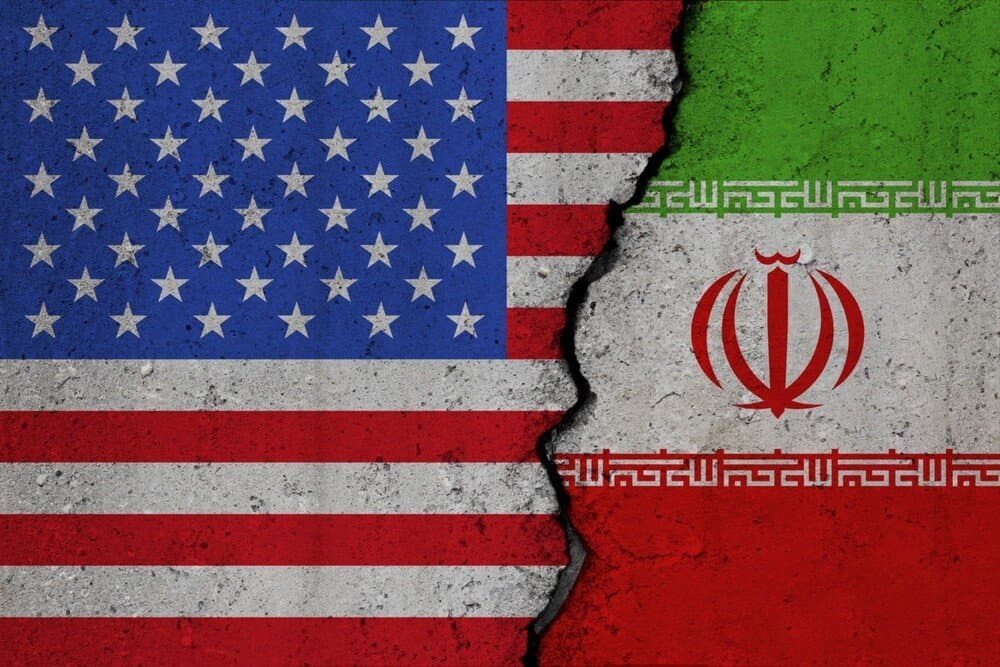
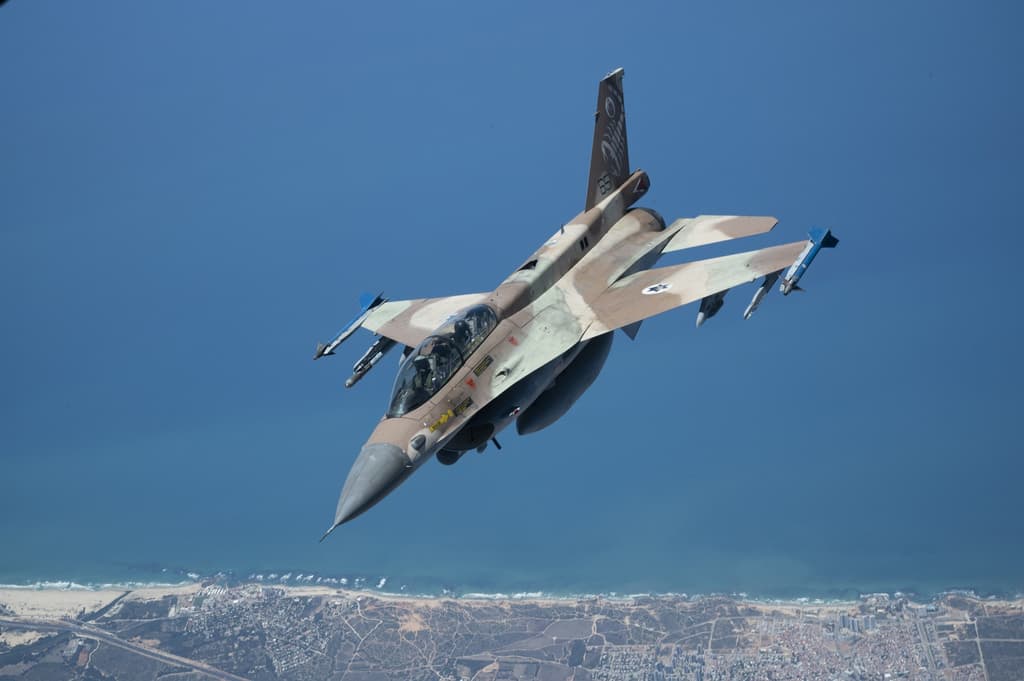

Beware of external links.
Beware of external links.
Frequently Asked Questions