


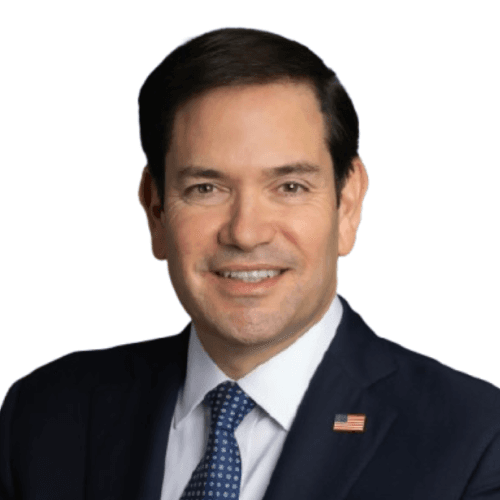










Trader consensus prices a closely contested 2028 Republican presidential nomination between Vice President J.D. Vance and Robert F. Kennedy Jr., with both hovering near 50 percent implied probability amid limited separation from other contenders. Vance maintains frontrunner positioning through his role in the current administration and visibility at recent party gatherings, while Kennedy’s elevated standing reflects sustained interest from voters drawn to his independent profile and policy overlaps. National and early-state polling averages show Vance ahead of figures such as Marco Rubio, though leads have narrowed in some surveys since spring. Rubio’s cabinet role and legislative experience keep him as the clearest alternative, yet remain well behind the top two in market pricing. The November 2026 midterms and any subsequent positioning by President Trump represent near-term catalysts that could widen or close gaps before formal primary activity begins.
Experimental AI-generated summary referencing Polymarket data. This is not trading advice and plays no role in how this market resolves. · UpdatedRepublican Presidential Nominee 2028
J.D. Vance 51.2%
Marco Rubio 15.8%
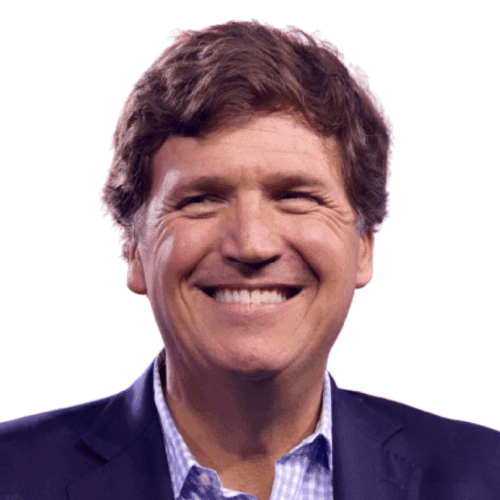
Tucker Carlson 3.4%
Ron DeSantis 2.8%
$706,822,543 Vol.
$706,822,543 Vol.

J.D. Vance
51%

Marco Rubio
16%

Tucker Carlson
3%

Ron DeSantis
3%

Donald Trump
2%

Ted Cruz
2%

Donald Trump Jr.
2%

Ivanka Trump
1%

Thomas Massie
1%

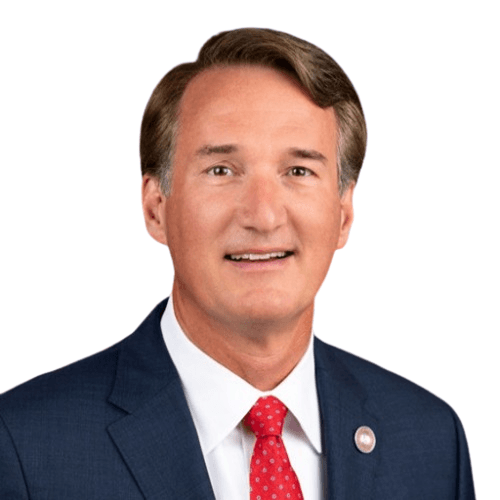
Glenn Youngkin
<1%

Pete Hegseth
<1%

Tulsi Gabbard
<1%

Brian Kemp
<1%

Marjorie Taylor Greene
<1%

Josh Hawley
<1%

Vivek Ramaswamy
<1%

Greg Abbott
<1%

Robert F. Kennedy Jr.
<1%

Candace Owens
<1%

Tom Brady
<1%

Rand Paul
<1%

Nikki Haley
<1%

Byron Donalds
<1%

Elise Stefanik
<1%

Elon Musk
<1%

Katie Britt
<1%

Kristi Noem
<1%

Mike Pence
<1%

Steve Bannon
<1%

Kim Kardashian
<1%

Eric Trump
<1%

Joe Kent
<1%

Tom Cotton
<1%

John N. Kennedy
<1%

Sarah Huckabee Sanders
<1%

Matt Gaetz
<1%

John Thune
<1%

Erika Kirk
<1%

Tim Scott
<1%

Mike Johnson
<1%

Doug Burgum
<1%

Rick Scott
<1%
J.D. Vance 51.2%
Marco Rubio 15.8%
Tucker Carlson 3.4%
Ron DeSantis 2.8%
$706,822,543 Vol.
$706,822,543 Vol.

J.D. Vance
51%

Marco Rubio
16%

Tucker Carlson
3%

Ron DeSantis
3%

Donald Trump
2%

Ted Cruz
2%

Donald Trump Jr.
2%

Ivanka Trump
1%

Thomas Massie
1%

Glenn Youngkin
<1%

Pete Hegseth
<1%

Tulsi Gabbard
<1%

Brian Kemp
<1%

Marjorie Taylor Greene
<1%

Josh Hawley
<1%

Vivek Ramaswamy
<1%

Greg Abbott
<1%

Robert F. Kennedy Jr.
<1%

Candace Owens
<1%

Tom Brady
<1%

Rand Paul
<1%

Nikki Haley
<1%

Byron Donalds
<1%

Elise Stefanik
<1%

Elon Musk
<1%

Katie Britt
<1%

Kristi Noem
<1%

Mike Pence
<1%

Steve Bannon
<1%

Kim Kardashian
<1%

Eric Trump
<1%

Joe Kent
<1%

Tom Cotton
<1%

John N. Kennedy
<1%

Sarah Huckabee Sanders
<1%

Matt Gaetz
<1%

John Thune
<1%

Erika Kirk
<1%

Tim Scott
<1%

Mike Johnson
<1%

Doug Burgum
<1%

Rick Scott
<1%
The resolution source for this market will be a consensus of official Republican Party sources.
Any replacement of the Republican nominee before election day will not change the resolution of the market.
Market Opened: Jul 11, 2025, 3:21 PM ET
Resolver
0x2F5e3684c...The resolution source for this market will be a consensus of official Republican Party sources.
Any replacement of the Republican nominee before election day will not change the resolution of the market.
Resolver
0x2F5e3684c...Trader consensus prices a closely contested 2028 Republican presidential nomination between Vice President J.D. Vance and Robert F. Kennedy Jr., with both hovering near 50 percent implied probability amid limited separation from other contenders. Vance maintains frontrunner positioning through his role in the current administration and visibility at recent party gatherings, while Kennedy’s elevated standing reflects sustained interest from voters drawn to his independent profile and policy overlaps. National and early-state polling averages show Vance ahead of figures such as Marco Rubio, though leads have narrowed in some surveys since spring. Rubio’s cabinet role and legislative experience keep him as the clearest alternative, yet remain well behind the top two in market pricing. The November 2026 midterms and any subsequent positioning by President Trump represent near-term catalysts that could widen or close gaps before formal primary activity begins.
Experimental AI-generated summary referencing Polymarket data. This is not trading advice and plays no role in how this market resolves. · Updated
Beware of external links.
Frequently Asked Questions