
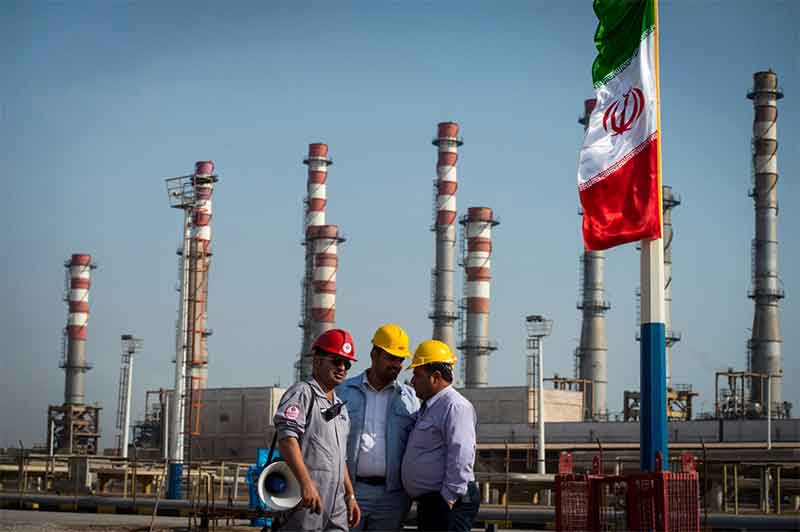
The temporary U.S. sanctions relief on Iranian oil exports, authorized via General License X in June 2026 and revoked weeks later amid renewed hostilities, centered on commitments tied to Strait of Hormuz access and IAEA inspections. This episode unlocked potential Iranian revenues of $8–9 billion from stranded inventories and allowed dollar-denominated payments, but its short duration highlighted execution risks and congressional scrutiny under statutes like INARA. Current trader sentiment reflects uncertainty over reissuance, influenced by oil market dynamics—where restored Iranian flows could pressure global benchmarks and Treasury yields—alongside broader monetary policy signals from the Fed and escalation risks in the Middle East. Key catalysts include any renewed bilateral talks or data on Iranian export volumes.
Experimental AI-generated summary referencing Polymarket data. This is not trading advice and plays no role in how this market resolves. · Updated$361,182 Vol.
September 30
9%
October 31
32%
$361,182 Vol.
September 30
9%
October 31
32%
This market will resolve to “Yes” if the United States federal government issues a waiver, license, or equivalent sanctions-relief mechanism lifting US sanctions on the sale of Iranian oil, petrochemical products, or petroleum products by the specified date, 11:59 PM ET. Otherwise this market will resolve to “No”.
Actions which direct partial or full sanction relief will both qualify. However, qualifying actions must reverse, remove, waive, or suspend US penalties on the sale of Iranian oil, petrochemical products, or petroleum products, in whole or in part.
Qualifying actions need not be permanent; temporary suspensions of sanctions will qualify. Relief issued for either primary or secondary sanctions will qualify. A re-issuance of the initial waiver will qualify. The full removal of any sanction on the sale of Iranian oil, petrochemical products, or petroleum products will also qualify.
Continued sales of Iranian oil allowed during the wind-down period under this revocation order will not qualify. Mere extensions of the wind-down period, without issuance of a new qualifying sanctions-relief action, will not qualify.
Once a qualifying sanctions relief action has been taken, this market will resolve to “Yes,” regardless of any subsequent revocation.
The primary resolution source for this market will be official information from the United States federal government.
Market Opened: Aug 26, 2026, 10:59 AM ET
Resolver
0x65070BE91...This market will resolve to “Yes” if the United States federal government issues a waiver, license, or equivalent sanctions-relief mechanism lifting US sanctions on the sale of Iranian oil, petrochemical products, or petroleum products by the specified date, 11:59 PM ET. Otherwise this market will resolve to “No”.
Actions which direct partial or full sanction relief will both qualify. However, qualifying actions must reverse, remove, waive, or suspend US penalties on the sale of Iranian oil, petrochemical products, or petroleum products, in whole or in part.
Qualifying actions need not be permanent; temporary suspensions of sanctions will qualify. Relief issued for either primary or secondary sanctions will qualify. A re-issuance of the initial waiver will qualify. The full removal of any sanction on the sale of Iranian oil, petrochemical products, or petroleum products will also qualify.
Continued sales of Iranian oil allowed during the wind-down period under this revocation order will not qualify. Mere extensions of the wind-down period, without issuance of a new qualifying sanctions-relief action, will not qualify.
Once a qualifying sanctions relief action has been taken, this market will resolve to “Yes,” regardless of any subsequent revocation.
The primary resolution source for this market will be official information from the United States federal government.
Resolver
0x65070BE91...The temporary U.S. sanctions relief on Iranian oil exports, authorized via General License X in June 2026 and revoked weeks later amid renewed hostilities, centered on commitments tied to Strait of Hormuz access and IAEA inspections. This episode unlocked potential Iranian revenues of $8–9 billion from stranded inventories and allowed dollar-denominated payments, but its short duration highlighted execution risks and congressional scrutiny under statutes like INARA. Current trader sentiment reflects uncertainty over reissuance, influenced by oil market dynamics—where restored Iranian flows could pressure global benchmarks and Treasury yields—alongside broader monetary policy signals from the Fed and escalation risks in the Middle East. Key catalysts include any renewed bilateral talks or data on Iranian export volumes.
Experimental AI-generated summary referencing Polymarket data. This is not trading advice and plays no role in how this market resolves. · Updated

Beware of external links.
Beware of external links.
Frequently Asked Questions