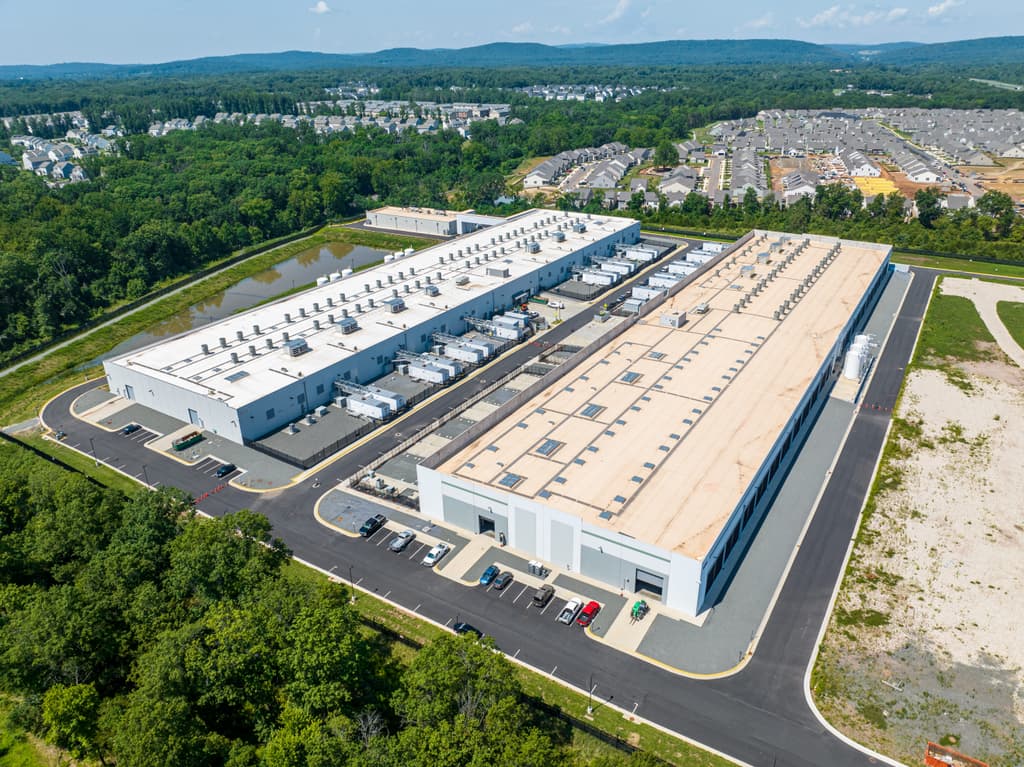
New York’s July 2026 executive order imposing a one-year pause on environmental permits for data centers above 50 MW has established the first statewide moratorium, reflecting widespread concerns over electricity grid strain, water consumption for cooling, and rising utility costs tied to AI-driven large language model training and inference workloads. This action, alongside dozens of local pauses in states like Georgia, Michigan, North Carolina, and Ohio, has lifted trader consensus toward a “Yes” outcome by year-end. Pending legislation in Michigan, Oregon, Pennsylvania, and Virginia, combined with ongoing gubernatorial reviews and utility audits in Texas and elsewhere, provides additional near-term catalysts. While product timelines and political veto risks introduce some uncertainty, the rapid proliferation of both executive and legislative measures through August underscores the market-implied 69.6 percent probability as aggregated trader assessment of further state-level restrictions materializing before December 31.
Experimental AI-generated summary referencing Polymarket data. This is not trading advice and plays no role in how this market resolves. · UpdatedWill any state enact a data center moratorium by December 31?
Will any state enact a data center moratorium by December 31?
A qualifying moratorium must temporarily or indefinitely prohibit, suspend, or pause the approval, permitting, construction, connection to the electrical grid or other utility infrastructure, or operation of new data centers, or a defined category of new data centers, within that state.
Qualifying legislation includes any state bill that establishes such a data center moratorium.
Qualifying legislation must be enacted into law in accordance with the applicable state’s constitutional and legal procedures. This generally requires final passage by the relevant state legislature and approval by the governor, becoming law without signature, or taking effect through a veto override or other lawful mechanism. Legislation that does not become law under the applicable state process, including vetoed bills that do not take effect, does not qualify.
The primary resolution sources for this market will be official state legislative trackers, governor’s office announcements, secretary of state records, and other official information from the relevant state government; however, a consensus of credible reporting may also be used.
Market Opened: Jul 7, 2026, 9:23 PM ET
Resolver
0x65070BE91...A qualifying moratorium must temporarily or indefinitely prohibit, suspend, or pause the approval, permitting, construction, connection to the electrical grid or other utility infrastructure, or operation of new data centers, or a defined category of new data centers, within that state.
Qualifying legislation includes any state bill that establishes such a data center moratorium.
Qualifying legislation must be enacted into law in accordance with the applicable state’s constitutional and legal procedures. This generally requires final passage by the relevant state legislature and approval by the governor, becoming law without signature, or taking effect through a veto override or other lawful mechanism. Legislation that does not become law under the applicable state process, including vetoed bills that do not take effect, does not qualify.
The primary resolution sources for this market will be official state legislative trackers, governor’s office announcements, secretary of state records, and other official information from the relevant state government; however, a consensus of credible reporting may also be used.
Resolver
0x65070BE91...New York’s July 2026 executive order imposing a one-year pause on environmental permits for data centers above 50 MW has established the first statewide moratorium, reflecting widespread concerns over electricity grid strain, water consumption for cooling, and rising utility costs tied to AI-driven large language model training and inference workloads. This action, alongside dozens of local pauses in states like Georgia, Michigan, North Carolina, and Ohio, has lifted trader consensus toward a “Yes” outcome by year-end. Pending legislation in Michigan, Oregon, Pennsylvania, and Virginia, combined with ongoing gubernatorial reviews and utility audits in Texas and elsewhere, provides additional near-term catalysts. While product timelines and political veto risks introduce some uncertainty, the rapid proliferation of both executive and legislative measures through August underscores the market-implied 69.6 percent probability as aggregated trader assessment of further state-level restrictions materializing before December 31.
Experimental AI-generated summary referencing Polymarket data. This is not trading advice and plays no role in how this market resolves. · Updated


Beware of external links.
Beware of external links.
Frequently Asked Questions