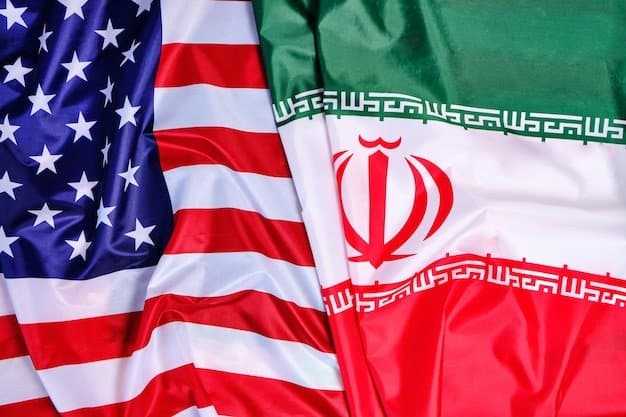
This market will resolve to “Yes” if Iran and the United states agree to a permanent peace deal by the specified date, 11:59 PM ET. Otherwise, this market will resolve to “No”.
A permanent peace deal refers to any agreement which explicitly indicates that military hostilities between the United States and Iran have ended or will permanently cease, or uses equivalent language clearly signaling a lasting end to military hostilities between the United States and Iran. Agreements that are explicitly temporary or which do not include a definitive agreement to end military hostilities between the US and Iran on a lasting basis (e.g. a temporary extension of the two-week ceasefire agreement announced on April 7, 2026), will not qualify.
A qualifying agreement will be considered to have been established if either of the following conditions are met:
- The United States and Iran each sign or formally adopt a written agreement (e.g. a treaty or multi-point agreement) which meets the above criteria.
- Both the governments of the United States and Iran provide clear public confirmation that a qualifying agreement has been definitively established. Negotiations, statements of progress, or other statements which do not constitute a definitive announcement that a qualifying agreement has been reached will not count.
The primary resolution source for this market will be official information from the governments of the United States and Iran; however, a consensus of credible reporting may also be used.US-Iran negotiations for a permanent peace deal remain deadlocked following the April 8 ceasefire in the ongoing 2026 war, with core disputes over Iran's nuclear enrichment, US sanctions relief, and Strait of Hormuz security. President Trump rejected Tehran's latest 14-point counterproposal on May 11 as "totally unacceptable," warning the truce is on "life support" amid mutual ultimatums and stalled talks mediated by Pakistan. Iran's chief negotiator demanded full acceptance or escalation risks, while refusing upfront nuclear concessions. The Trump-Xi summit concluded May 15 with China offering potential mediation support, but no breakthroughs emerged. Upcoming rounds hinge on ceasefire extensions, with historical patterns showing diplomacy falters without major compromises.
This market will resolve to “Yes” if Iran and the United states agree to a permanent peace deal by the specified date, 11:59 PM ET. Otherwise, this market will resolve to “No”.
A permanent peace deal refers to any agreement which explicitly indicates that military hostilities between the United States and Iran have ended or will permanently cease, or uses equivalent language clearly signaling a lasting end to military hostilities between the United States and Iran. Agreements that are explicitly temporary or which do not include a definitive agreement to end military hostilities between the US and Iran on a lasting basis (e.g. a temporary extension of the two-week ceasefire agreement announced on April 7, 2026), will not qualify.
A qualifying agreement will be considered to have been established if either of the following conditions are met:
- The United States and Iran each sign or formally adopt a written agreement (e.g. a treaty or multi-point agreement) which meets the above criteria.
- Both the governments of the United States and Iran provide clear public confirmation that a qualifying agreement has been definitively established. Negotiations, statements of progress, or other statements which do not constitute a definitive announcement that a qualifying agreement has been reached will not count.
The primary resolution source for this market will be official information from the governments of the United States and Iran; however, a consensus of credible reporting may also be used.
This market will resolve to “Yes” if Iran and the United states agree to a permanent peace deal by the specified date, 11:59 PM ET. Otherwise, this market will resolve to “No”.
A permanent peace deal refers to any agreement which explicitly indicates that military hostilities between the United States and Iran have ended or will permanently cease, or uses equivalent language clearly signaling a lasting end to military hostilities between the United States and Iran. Agreements that are explicitly temporary or which do not include a definitive agreement to end military hostilities between the US and Iran on a lasting basis (e.g. a temporary extension of the two-week ceasefire agreement announced on April 7, 2026), will not qualify.
A qualifying agreement will be considered to have been established if either of the following conditions are met:
- The United States and Iran each sign or formally adopt a written agreement (e.g. a treaty or multi-point agreement) which meets the above criteria.
- Both the governments of the United States and Iran provide clear public confirmation that a qualifying agreement has been definitively established. Negotiations, statements of progress, or other statements which do not constitute a definitive announcement that a qualifying agreement has been reached will not count.
The primary resolution source for this market will be official information from the governments of the United States and Iran; however, a consensus of credible reporting may also be used.
US-Iran negotiations for a permanent peace deal remain deadlocked following the April 8 ceasefire in the ongoing 2026 war, with core disputes over Iran's nuclear enrichment, US sanctions relief, and Strait of Hormuz security. President Trump rejected Tehran's latest 14-point counterproposal on May 11 as "totally unacceptable," warning the truce is on "life support" amid mutual ultimatums and stalled talks mediated by Pakistan. Iran's chief negotiator demanded full acceptance or escalation risks, while refusing upfront nuclear concessions. The Trump-Xi summit concluded May 15 with China offering potential mediation support, but no breakthroughs emerged. Upcoming rounds hinge on ceasefire extensions, with historical patterns showing diplomacy falters without major compromises.
Iran detains leading human‑rights lawyer Nasrin Sotoudeh
May 15 drops to 0%7%
The crackdown on dissent signaled internal instability in Iran, further weakening expectations of a durable peace and pushing the May 15 price to zero.
May 12 2026
Iranian foreign minister returns to Pakistan for renewed negotiations
May 31 drops to 24%7%
The foreign minister’s visit was seen as a concrete step toward a diplomatic resolution, briefly stabilizing market sentiment for the May 31 outcome before subsequent setbacks.
May 10 2026
U.S. blockade leads to seizure of additional Iranian tankers
May 13 drops to 0%14%
Further interdictions reinforced the perception that the conflict was far from resolution, pushing the market for the May 13 outcome toward zero.
May 10 2026
Trump announces “Project Freedom” to guide ships out of Hormuz, then pauses it
December 31 drops to 70%8%
The brief opening of the strait raised optimism, but the sudden pause signaled uncertainty, causing a modest dip in Yes prices across all dates.
May 8 2026
U.S. forces fire on and disable two Iranian tankers in the Strait of Hormuz
May 15 drops to 5%10%
A direct military engagement by U.S. forces heightened tensions and signaled a possible escalation, causing the market to sharply downgrade the chances of any peace deal before May 15.
May 8 2026
US fires on and disables two Iranian tankers amid rising Strait of Hormuz tensions
US forces disabled two Iranian oil tankers after exchanges of fire in the Strait of Hormuz, challenging the fragile ceasefire and raising doubts about the prospects for a permanent peace deal. The US awaited a serious offer from Iran to end the war.
May 7 2026
Trump says Iran has offered a “much better” proposal
May 15 dips to 5%4%
Trump’s comment that Iran’s latest offer was substantially improved revived optimism for a quick deal, causing a short‑term price uptick for the May 15 outcome.
May 7 2026
Pakistan mediators report progress toward a new U.S.–Iran agreement
June 30 surges to 54%20%
Positive statements from Pakistani officials lifted market sentiment, temporarily raising Yes prices for the later June 30 and December 31 horizons.
May 6 2026
U.S. Navy shoots down Iranian fast boats near the Strait
May 31 plunges to 19%25%
A direct military engagement further diminished hopes for a quick settlement, sharply reducing the May 31 and June 30 probabilities.
May 4 2026
Trump hints at “shoot and kill” policy against small boats in Hormuz
May 15 drops to 7%8%
Escalatory rhetoric raised the prospect of renewed combat, pushing Yes prices lower for the near‑term May 15 deadline.
May 2 2026
Asian markets rally on hopes of renewed US‑Iran talks
May 31 dips to 12%2%
Stocks rose in Asia after reports that back‑channel diplomacy was progressing, briefly boosting confidence in a May 31 settlement.
Apr 30 2026
U.S. warns shipping firms of sanctions for paying Iran to transit Hormuz
May 31 dips to 14%4%
The sanctions warning added economic pressure on Iran and signaled a tougher U.S. stance, pushing market prices for later deadlines lower.
Apr 26 2026
Trump says Iran has offered a ‘much better’ peace proposal
December 31 jumps to 78%8%
President Trump publicly noted that Iran had submitted a more favorable proposal, raising hopes for a settlement and pushing the market’s probability for a December‑31 deal higher.
Apr 26 2026
Trump rejects Iran’s latest peace proposal as unsatisfactory
The president’s dismissal of a new Iranian proposal reduced expectations of a deal, causing another price decline.
Apr 26 2026
Iran’s foreign minister returns to Pakistan amid ongoing indirect talks
December 31 dips to 69%1%
Iran’s foreign minister returned to Pakistan as indirect talks with the US continued despite the cancellation of direct negotiations. President Trump mentioned receiving a 'much better' proposal from Iran, sustaining some market hope for a deal.
Apr 26 2026
Iran’s foreign minister returns to Pakistan for talks
May 31 drops to 18%5%
A brief diplomatic visit raised hopes of a breakthrough, temporarily lifting market prices for the May 31 outcome before the optimism faded later in the week.
Apr 25 2026
Iranian foreign minister returns to Pakistan, Trump says talks can be by phone
Araghchi’s brief return and Trump’s refusal to send envoys signaled stalled diplomacy, pulling Yes prices down.
Apr 25 2026
Trump cancels US envoys' trip to Pakistan for Iran talks amid stalled negotiations
May 15 drops to 1%14%
Iran’s top diplomat left Pakistan and President Trump said he told envoys not to travel to Islamabad, signaling a breakdown in planned talks. This increased doubts about near-term peace prospects and contributed to falling market prices for early resolution dates.
Apr 25 2026
Trump cancels US envoys' trip to Pakistan for Iran talks, suggests phone calls instead
December 31 drops to 70%8%
President Trump called off the planned trip of US envoys to Pakistan for follow-up talks with Iran, citing lack of progress, and proposed phone negotiations. This move dampened market optimism for a near-term peace deal.
Apr 23 2026
Trump orders U.S. forces to “shoot and kill” small boats in Hormuz
May 15 drops to 9%6%
Trump’s aggressive directive signaled a willingness to use force, further eroding market expectations of a diplomatic resolution before the May 15 deadline.
Apr 22 2026
US extends ceasefire with Iran amid ongoing negotiations
December 31 rises to 78%4%
President Trump indefinitely extended the ceasefire agreed with Iran, signaling willingness to continue diplomacy despite ongoing military and economic tensions. This extension provided some market support for a potential peace deal.
Apr 21 2026
US Navy seizes Iranian‑flagged cargo ship near Hormuz
May 13 drops to 14%8%
The seizure heightened tensions and suggested the ceasefire could collapse, prompting traders to sharply reduce the probability of a permanent agreement before the May 13 deadline.
Apr 21 2026
U.S. and Iran resume indirect talks in Pakistan after blockade
December 31 jumps to 70%7%
Back‑channel negotiations were reported to be underway, offering a glimmer of diplomatic progress that temporarily boosted the market’s outlook for a deal by the end of the year.
Apr 21 2026
Trump extends cease‑fire but maintains blockade
Trump’s announcement of an indefinite cease‑fire extension offered a brief optimism boost, nudging Yes prices upward.
Apr 19 2026
US seizes Iranian-flagged cargo ship near Strait of Hormuz, Iran vows swift response
May 13 plunges to 0%22%
The US Navy seized an Iranian cargo ship attempting to evade the blockade, marking a ceasefire violation and escalating tensions. President Trump announced US negotiators would attend talks in Pakistan, but Iran had not confirmed participation, maintaining uncertainty about peace progress.
Apr 19 2026
U.S. Navy seizes Iranian‑flagged cargo ship near the Strait
The first seizure since the blockade signaled a direct confrontation, further eroding market confidence in a swift peace settlement.
Apr 19 2026
Trump rejects Iran’s latest peace proposal
May 31 drops to 23%8%
President Trump publicly said he was not satisfied with Iran’s newest offer, removing any immediate optimism for a deal and causing a further drop in market confidence for all outcomes.
Apr 19 2026
US Navy seizes Iranian-flagged cargo ship near Strait of Hormuz
December 31 rises to 76%2%
The US Navy attacked and seized an Iranian-flagged cargo ship attempting to evade the blockade, which Iran condemned as a ceasefire violation. This incident heightened tensions and cast doubt on the continuation of peace talks.
Apr 18 2026
Iran’s Revolutionary Guard closes the Strait of Hormuz and fires on ships
Iran’s closure of the strategic waterway heightened the risk of renewed hostilities, causing a sharp decline in Yes probabilities for all dates.
Apr 18 2026
Iran fully closes Strait of Hormuz and fires on ships in response to US blockade
June 30 plunges to 45%16%
Iran reversed its reopening of the Strait of Hormuz and fired on ships attempting to pass, escalating the standoff after the US blockade of Iranian ports. This action threatened to deepen the conflict and global energy crisis, undermining peace prospects.
Apr 18 2026
Iranian Revolutionary Guard closes Strait of Hormuz and fires on passing ships
December 31 jumps to 63%9%
The IRGC announced a full closure of the strategic waterway and engaged vessels, dramatically raising the risk of continued conflict and lowering market confidence in a permanent peace deal.
Apr 18 2026
Iranian Revolutionary Guard closes Strait of Hormuz and fires on ships
May 31 drops to 31%9%
Iran’s IRGC announced the complete closure of the strategic waterway and engaged vessels, signaling a hardening stance that pushed market prices for a peace deal sharply lower.
Apr 18 2026
Iran fully closes Strait of Hormuz and fires on ships in response to US blockade
December 31 rises to 74%4%
Iran reversed its reopening of the Strait of Hormuz and fired on ships attempting to pass, escalating tensions and threatening the fragile ceasefire. This action raised doubts about the prospects for a peace deal and increased market uncertainty.
Apr 14 2026
Diplomats work to arrange a new round of U.S.–Iran talks
Back‑channel efforts by Pakistani officials and the UN to restart negotiations signaled possible progress, temporarily boosting confidence in a peace outcome.
Apr 14 2026
Diplomats work to arrange new US-Iran talks amid blockade and regional tensions
December 31 surges to 70%29%
Diplomats engaged in back-channel efforts to set up a new round of talks between the US and Iran following the US naval blockade of Iranian ports. President Trump indicated talks could happen soon in Islamabad, raising market hopes for a diplomatic resolution.
Apr 13 2026
U.S. announces naval blockade of Iranian ports
May 31 dips to 40%4%
President Trump declared a full‑scale naval blockade of all Iranian ports, intensifying pressure on Tehran and prompting traders to downgrade the odds of a permanent peace deal before any deadline.
Apr 13 2026
President Trump announces full naval blockade of Iranian ports
Trump declared a comprehensive blockade aimed at pressuring Iran to negotiate a permanent peace, raising market optimism that a deal might be forced and pushing Yes prices higher across all horizons.
Apr 13 2026
US announces naval blockade of Iranian ports amid stalled ceasefire talks
June 30 surges to 70%29%
President Trump declared a US military blockade of all Iranian ports following failed ceasefire talks in Pakistan, escalating tensions and casting doubt on the fragile ceasefire. This move aimed to pressure Iran into a deal but increased hostilities and uncertainty about peace prospects.
Apr 13 2026
U.S. announces full naval blockade of Iranian ports
June 30 surges to 70%29%
President Trump declared a comprehensive blockade of Iran’s ports, signaling a hardening U.S. stance and prompting traders to downgrade the likelihood of any near‑term peace agreement.
This market will resolve to “Yes” if Iran and the United states agree to a permanent peace deal by the specified date, 11:59 PM ET. Otherwise, this market will resolve to “No”.
A permanent peace deal refers to any agreement which explicitly indicates that military hostilities between the United States and Iran have ended or will permanently cease, or uses equivalent language clearly signaling a lasting end to military hostilities between the United States and Iran. Agreements that are explicitly temporary or which do not include a definitive agreement to end military hostilities between the US and Iran on a lasting basis (e.g. a temporary extension of the two-week ceasefire agreement announced on April 7, 2026), will not qualify.
A qualifying agreement will be considered to have been established if either of the following conditions are met:
- The United States and Iran each sign or formally adopt a written agreement (e.g. a treaty or multi-point agreement) which meets the above criteria.
- Both the governments of the United States and Iran provide clear public confirmation that a qualifying agreement has been definitively established. Negotiations, statements of progress, or other statements which do not constitute a definitive announcement that a qualifying agreement has been reached will not count.
The primary resolution source for this market will be official information from the governments of the United States and Iran; however, a consensus of credible reporting may also be used.US-Iran negotiations for a permanent peace deal remain deadlocked following the April 8 ceasefire in the ongoing 2026 war, with core disputes over Iran's nuclear enrichment, US sanctions relief, and Strait of Hormuz security. President Trump rejected Tehran's latest 14-point counterproposal on May 11 as "totally unacceptable," warning the truce is on "life support" amid mutual ultimatums and stalled talks mediated by Pakistan. Iran's chief negotiator demanded full acceptance or escalation risks, while refusing upfront nuclear concessions. The Trump-Xi summit concluded May 15 with China offering potential mediation support, but no breakthroughs emerged. Upcoming rounds hinge on ceasefire extensions, with historical patterns showing diplomacy falters without major compromises.
This market will resolve to “Yes” if Iran and the United states agree to a permanent peace deal by the specified date, 11:59 PM ET. Otherwise, this market will resolve to “No”.
A permanent peace deal refers to any agreement which explicitly indicates that military hostilities between the United States and Iran have ended or will permanently cease, or uses equivalent language clearly signaling a lasting end to military hostilities between the United States and Iran. Agreements that are explicitly temporary or which do not include a definitive agreement to end military hostilities between the US and Iran on a lasting basis (e.g. a temporary extension of the two-week ceasefire agreement announced on April 7, 2026), will not qualify.
A qualifying agreement will be considered to have been established if either of the following conditions are met:
- The United States and Iran each sign or formally adopt a written agreement (e.g. a treaty or multi-point agreement) which meets the above criteria.
- Both the governments of the United States and Iran provide clear public confirmation that a qualifying agreement has been definitively established. Negotiations, statements of progress, or other statements which do not constitute a definitive announcement that a qualifying agreement has been reached will not count.
The primary resolution source for this market will be official information from the governments of the United States and Iran; however, a consensus of credible reporting may also be used.
This market will resolve to “Yes” if Iran and the United states agree to a permanent peace deal by the specified date, 11:59 PM ET. Otherwise, this market will resolve to “No”.
A permanent peace deal refers to any agreement which explicitly indicates that military hostilities between the United States and Iran have ended or will permanently cease, or uses equivalent language clearly signaling a lasting end to military hostilities between the United States and Iran. Agreements that are explicitly temporary or which do not include a definitive agreement to end military hostilities between the US and Iran on a lasting basis (e.g. a temporary extension of the two-week ceasefire agreement announced on April 7, 2026), will not qualify.
A qualifying agreement will be considered to have been established if either of the following conditions are met:
- The United States and Iran each sign or formally adopt a written agreement (e.g. a treaty or multi-point agreement) which meets the above criteria.
- Both the governments of the United States and Iran provide clear public confirmation that a qualifying agreement has been definitively established. Negotiations, statements of progress, or other statements which do not constitute a definitive announcement that a qualifying agreement has been reached will not count.
The primary resolution source for this market will be official information from the governments of the United States and Iran; however, a consensus of credible reporting may also be used.
US-Iran negotiations for a permanent peace deal remain deadlocked following the April 8 ceasefire in the ongoing 2026 war, with core disputes over Iran's nuclear enrichment, US sanctions relief, and Strait of Hormuz security. President Trump rejected Tehran's latest 14-point counterproposal on May 11 as "totally unacceptable," warning the truce is on "life support" amid mutual ultimatums and stalled talks mediated by Pakistan. Iran's chief negotiator demanded full acceptance or escalation risks, while refusing upfront nuclear concessions. The Trump-Xi summit concluded May 15 with China offering potential mediation support, but no breakthroughs emerged. Upcoming rounds hinge on ceasefire extensions, with historical patterns showing diplomacy falters without major compromises.
Iran detains leading human‑rights lawyer Nasrin Sotoudeh
May 15 drops to 0%7%
The crackdown on dissent signaled internal instability in Iran, further weakening expectations of a durable peace and pushing the May 15 price to zero.
May 12 2026
Iranian foreign minister returns to Pakistan for renewed negotiations
May 31 drops to 24%7%
The foreign minister’s visit was seen as a concrete step toward a diplomatic resolution, briefly stabilizing market sentiment for the May 31 outcome before subsequent setbacks.
May 10 2026
U.S. blockade leads to seizure of additional Iranian tankers
May 13 drops to 0%14%
Further interdictions reinforced the perception that the conflict was far from resolution, pushing the market for the May 13 outcome toward zero.
May 10 2026
Trump announces “Project Freedom” to guide ships out of Hormuz, then pauses it
December 31 drops to 70%8%
The brief opening of the strait raised optimism, but the sudden pause signaled uncertainty, causing a modest dip in Yes prices across all dates.
May 8 2026
U.S. forces fire on and disable two Iranian tankers in the Strait of Hormuz
May 15 drops to 5%10%
A direct military engagement by U.S. forces heightened tensions and signaled a possible escalation, causing the market to sharply downgrade the chances of any peace deal before May 15.
May 8 2026
US fires on and disables two Iranian tankers amid rising Strait of Hormuz tensions
US forces disabled two Iranian oil tankers after exchanges of fire in the Strait of Hormuz, challenging the fragile ceasefire and raising doubts about the prospects for a permanent peace deal. The US awaited a serious offer from Iran to end the war.
May 7 2026
Trump says Iran has offered a “much better” proposal
May 15 dips to 5%4%
Trump’s comment that Iran’s latest offer was substantially improved revived optimism for a quick deal, causing a short‑term price uptick for the May 15 outcome.
May 7 2026
Pakistan mediators report progress toward a new U.S.–Iran agreement
June 30 surges to 54%20%
Positive statements from Pakistani officials lifted market sentiment, temporarily raising Yes prices for the later June 30 and December 31 horizons.
May 6 2026
U.S. Navy shoots down Iranian fast boats near the Strait
May 31 plunges to 19%25%
A direct military engagement further diminished hopes for a quick settlement, sharply reducing the May 31 and June 30 probabilities.
May 4 2026
Trump hints at “shoot and kill” policy against small boats in Hormuz
May 15 drops to 7%8%
Escalatory rhetoric raised the prospect of renewed combat, pushing Yes prices lower for the near‑term May 15 deadline.
May 2 2026
Asian markets rally on hopes of renewed US‑Iran talks
May 31 dips to 12%2%
Stocks rose in Asia after reports that back‑channel diplomacy was progressing, briefly boosting confidence in a May 31 settlement.
Apr 30 2026
U.S. warns shipping firms of sanctions for paying Iran to transit Hormuz
May 31 dips to 14%4%
The sanctions warning added economic pressure on Iran and signaled a tougher U.S. stance, pushing market prices for later deadlines lower.
Apr 26 2026
Trump says Iran has offered a ‘much better’ peace proposal
December 31 jumps to 78%8%
President Trump publicly noted that Iran had submitted a more favorable proposal, raising hopes for a settlement and pushing the market’s probability for a December‑31 deal higher.
Apr 26 2026
Trump rejects Iran’s latest peace proposal as unsatisfactory
The president’s dismissal of a new Iranian proposal reduced expectations of a deal, causing another price decline.
Apr 26 2026
Iran’s foreign minister returns to Pakistan amid ongoing indirect talks
December 31 dips to 69%1%
Iran’s foreign minister returned to Pakistan as indirect talks with the US continued despite the cancellation of direct negotiations. President Trump mentioned receiving a 'much better' proposal from Iran, sustaining some market hope for a deal.
Apr 26 2026
Iran’s foreign minister returns to Pakistan for talks
May 31 drops to 18%5%
A brief diplomatic visit raised hopes of a breakthrough, temporarily lifting market prices for the May 31 outcome before the optimism faded later in the week.
Apr 25 2026
Iranian foreign minister returns to Pakistan, Trump says talks can be by phone
Araghchi’s brief return and Trump’s refusal to send envoys signaled stalled diplomacy, pulling Yes prices down.
Apr 25 2026
Trump cancels US envoys' trip to Pakistan for Iran talks amid stalled negotiations
May 15 drops to 1%14%
Iran’s top diplomat left Pakistan and President Trump said he told envoys not to travel to Islamabad, signaling a breakdown in planned talks. This increased doubts about near-term peace prospects and contributed to falling market prices for early resolution dates.
Apr 25 2026
Trump cancels US envoys' trip to Pakistan for Iran talks, suggests phone calls instead
December 31 drops to 70%8%
President Trump called off the planned trip of US envoys to Pakistan for follow-up talks with Iran, citing lack of progress, and proposed phone negotiations. This move dampened market optimism for a near-term peace deal.
Apr 23 2026
Trump orders U.S. forces to “shoot and kill” small boats in Hormuz
May 15 drops to 9%6%
Trump’s aggressive directive signaled a willingness to use force, further eroding market expectations of a diplomatic resolution before the May 15 deadline.
Apr 22 2026
US extends ceasefire with Iran amid ongoing negotiations
December 31 rises to 78%4%
President Trump indefinitely extended the ceasefire agreed with Iran, signaling willingness to continue diplomacy despite ongoing military and economic tensions. This extension provided some market support for a potential peace deal.
Apr 21 2026
US Navy seizes Iranian‑flagged cargo ship near Hormuz
May 13 drops to 14%8%
The seizure heightened tensions and suggested the ceasefire could collapse, prompting traders to sharply reduce the probability of a permanent agreement before the May 13 deadline.
Apr 21 2026
U.S. and Iran resume indirect talks in Pakistan after blockade
December 31 jumps to 70%7%
Back‑channel negotiations were reported to be underway, offering a glimmer of diplomatic progress that temporarily boosted the market’s outlook for a deal by the end of the year.
Apr 21 2026
Trump extends cease‑fire but maintains blockade
Trump’s announcement of an indefinite cease‑fire extension offered a brief optimism boost, nudging Yes prices upward.
Apr 19 2026
US seizes Iranian-flagged cargo ship near Strait of Hormuz, Iran vows swift response
May 13 plunges to 0%22%
The US Navy seized an Iranian cargo ship attempting to evade the blockade, marking a ceasefire violation and escalating tensions. President Trump announced US negotiators would attend talks in Pakistan, but Iran had not confirmed participation, maintaining uncertainty about peace progress.
Apr 19 2026
U.S. Navy seizes Iranian‑flagged cargo ship near the Strait
The first seizure since the blockade signaled a direct confrontation, further eroding market confidence in a swift peace settlement.
Apr 19 2026
Trump rejects Iran’s latest peace proposal
May 31 drops to 23%8%
President Trump publicly said he was not satisfied with Iran’s newest offer, removing any immediate optimism for a deal and causing a further drop in market confidence for all outcomes.
Apr 19 2026
US Navy seizes Iranian-flagged cargo ship near Strait of Hormuz
December 31 rises to 76%2%
The US Navy attacked and seized an Iranian-flagged cargo ship attempting to evade the blockade, which Iran condemned as a ceasefire violation. This incident heightened tensions and cast doubt on the continuation of peace talks.
Apr 18 2026
Iran’s Revolutionary Guard closes the Strait of Hormuz and fires on ships
Iran’s closure of the strategic waterway heightened the risk of renewed hostilities, causing a sharp decline in Yes probabilities for all dates.
Apr 18 2026
Iran fully closes Strait of Hormuz and fires on ships in response to US blockade
June 30 plunges to 45%16%
Iran reversed its reopening of the Strait of Hormuz and fired on ships attempting to pass, escalating the standoff after the US blockade of Iranian ports. This action threatened to deepen the conflict and global energy crisis, undermining peace prospects.
Apr 18 2026
Iranian Revolutionary Guard closes Strait of Hormuz and fires on passing ships
December 31 jumps to 63%9%
The IRGC announced a full closure of the strategic waterway and engaged vessels, dramatically raising the risk of continued conflict and lowering market confidence in a permanent peace deal.
Apr 18 2026
Iranian Revolutionary Guard closes Strait of Hormuz and fires on ships
May 31 drops to 31%9%
Iran’s IRGC announced the complete closure of the strategic waterway and engaged vessels, signaling a hardening stance that pushed market prices for a peace deal sharply lower.
Apr 18 2026
Iran fully closes Strait of Hormuz and fires on ships in response to US blockade
December 31 rises to 74%4%
Iran reversed its reopening of the Strait of Hormuz and fired on ships attempting to pass, escalating tensions and threatening the fragile ceasefire. This action raised doubts about the prospects for a peace deal and increased market uncertainty.
Apr 14 2026
Diplomats work to arrange a new round of U.S.–Iran talks
Back‑channel efforts by Pakistani officials and the UN to restart negotiations signaled possible progress, temporarily boosting confidence in a peace outcome.
Apr 14 2026
Diplomats work to arrange new US-Iran talks amid blockade and regional tensions
December 31 surges to 70%29%
Diplomats engaged in back-channel efforts to set up a new round of talks between the US and Iran following the US naval blockade of Iranian ports. President Trump indicated talks could happen soon in Islamabad, raising market hopes for a diplomatic resolution.
Apr 13 2026
U.S. announces naval blockade of Iranian ports
May 31 dips to 40%4%
President Trump declared a full‑scale naval blockade of all Iranian ports, intensifying pressure on Tehran and prompting traders to downgrade the odds of a permanent peace deal before any deadline.
Apr 13 2026
President Trump announces full naval blockade of Iranian ports
Trump declared a comprehensive blockade aimed at pressuring Iran to negotiate a permanent peace, raising market optimism that a deal might be forced and pushing Yes prices higher across all horizons.
Apr 13 2026
US announces naval blockade of Iranian ports amid stalled ceasefire talks
June 30 surges to 70%29%
President Trump declared a US military blockade of all Iranian ports following failed ceasefire talks in Pakistan, escalating tensions and casting doubt on the fragile ceasefire. This move aimed to pressure Iran into a deal but increased hostilities and uncertainty about peace prospects.
Apr 13 2026
U.S. announces full naval blockade of Iranian ports
June 30 surges to 70%29%
President Trump declared a comprehensive blockade of Iran’s ports, signaling a hardening U.S. stance and prompting traders to downgrade the likelihood of any near‑term peace agreement.
警惕外部链接哦。
警惕外部链接哦。
常见问题