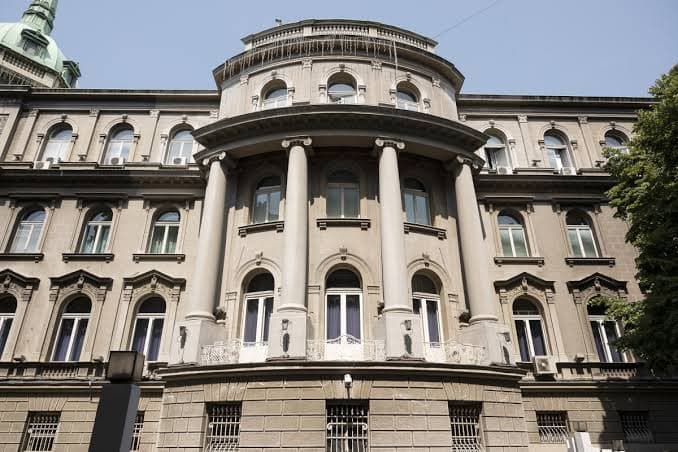
The next Serbian presidential election, constitutionally required by May 2027 and potentially held earlier following President Aleksandar Vučić’s June 2026 resignation announcement, features an open field due to term limits barring the incumbent from seeking a third mandate. Trader pricing reflects this succession uncertainty within the ruling Serbian Progressive Party (SNS), with Vladan Đokić holding the highest implied probability at 21.5 percent amid recent polling showing him competitive against other contenders in hypothetical runoffs. Ana Brnabić, Đuro Macut, Miloš Vučević, and Ivica Dačić follow at 14.5 percent, 12.5 percent, 6.7 percent, and 6.0 percent respectively, as possible SNS-aligned or establishment figures, while lower-priced opposition names such as Miloš Jovanović and Zdravko Ponoš highlight fragmentation. The tight spread among leading options stems from unresolved candidate selection, the prospect of snap general elections timed with parliamentary voting, and the absence of consolidated polling trends or formal nominations. Scheduled events including party decisions on standard-bearers and any further clarification on the election calendar could shift probabilities by clarifying viable paths to a majority in the first or second round.
Resumen experimental generado por IA con datos de Polymarket. Esto no es asesoramiento de trading y no influye en cómo se resuelve este mercado. · ActualizadoPróximo ganador de las elecciones presidenciales de Serbia
Próximo ganador de las elecciones presidenciales de Serbia
Vladan Đokić 22%
Ana Brnabić 15%
Đuro Macut 13%
Miloš Vučević 6.7%
$28,597 Vol.
$28,597 Vol.

Vladan Đokić
22%
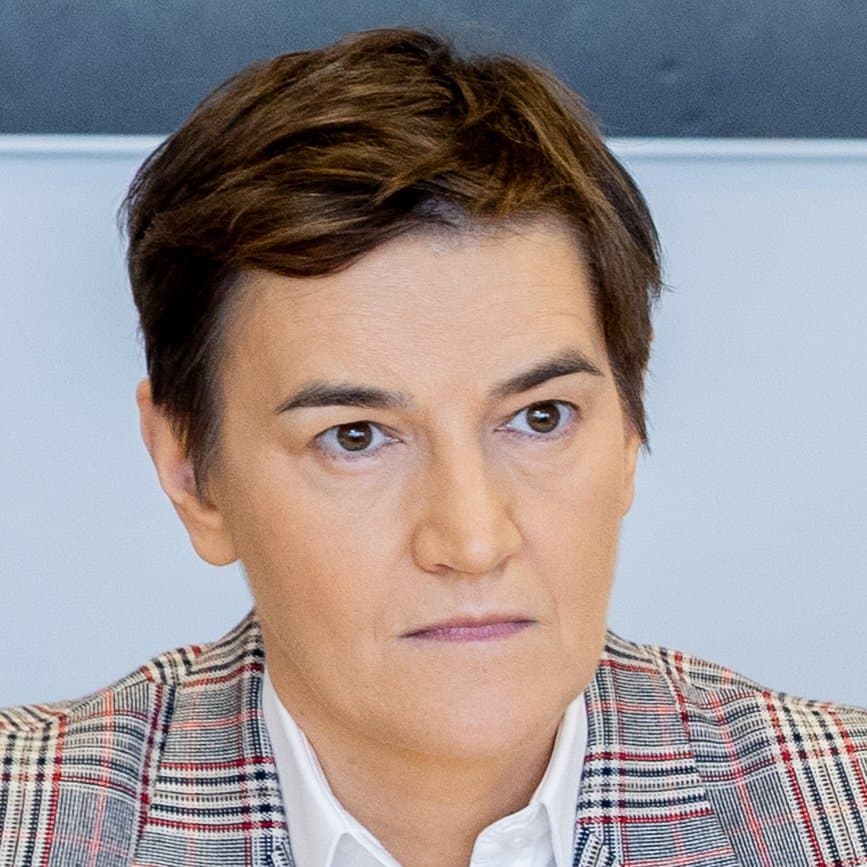
Ana Brnabić
15%

Đuro Macut
13%

Miloš Vučević
7%

Vladan Petrov
7%
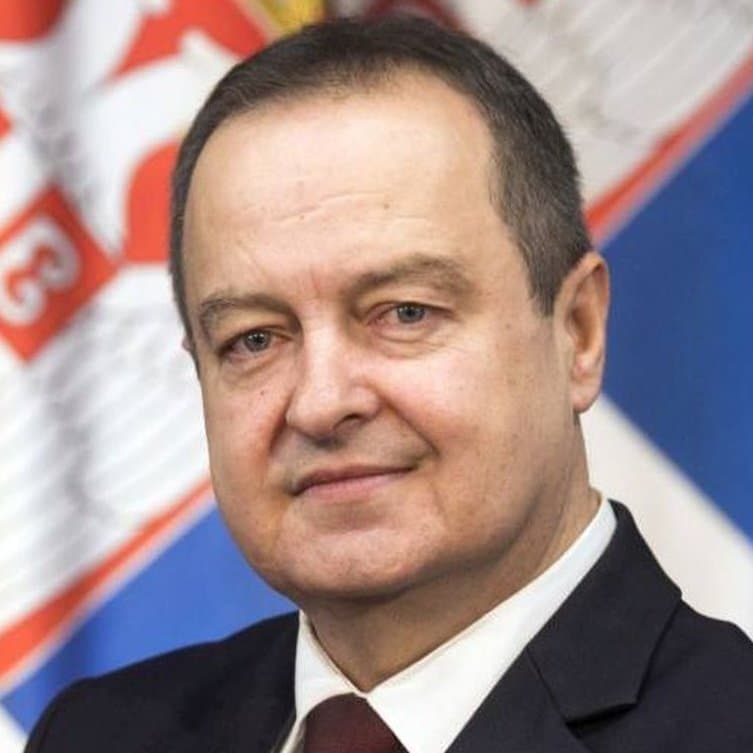
Ivica Dačić
6%

Aleksandar Vučić
4%

Miloš Jovanović
3%

Branimir Nestorović
3%

Zdravko Ponoš
3%

Savo Manojlović
2%

Vojislav Šešelj
2%
Vladan Đokić 22%
Ana Brnabić 15%
Đuro Macut 13%
Miloš Vučević 6.7%
$28,597 Vol.
$28,597 Vol.
Vladan Đokić
22%
Ana Brnabić
15%
Đuro Macut
13%
Miloš Vučević
7%
Vladan Petrov
7%
Ivica Dačić
6%
Aleksandar Vučić
4%
Miloš Jovanović
3%
Branimir Nestorović
3%
Zdravko Ponoš
3%
Savo Manojlović
2%
Vojislav Šešelj
2%
This market will resolve according to the listed candidate that wins the next Serbian presidential election.
This market includes any potential second round.
If the results of the election are not known definitively by March 31, 2028, 11:59 PM ET, this market will resolve to "Other".
This market will resolve based on the result of the election as indicated by a consensus of credible reporting. If there is ambiguity, this market will resolve based solely on the official results as reported by the Serbian government, specifically the Statistical Office of the Republic of Serbia (https://www.stat.gov.rs/).
Mercado abierto: Jun 29, 2026, 4:54 PM ET
Resolver
0x69c47De9D...This market will resolve according to the listed candidate that wins the next Serbian presidential election.
This market includes any potential second round.
If the results of the election are not known definitively by March 31, 2028, 11:59 PM ET, this market will resolve to "Other".
This market will resolve based on the result of the election as indicated by a consensus of credible reporting. If there is ambiguity, this market will resolve based solely on the official results as reported by the Serbian government, specifically the Statistical Office of the Republic of Serbia (https://www.stat.gov.rs/).
Resolver
0x69c47De9D...The next Serbian presidential election, constitutionally required by May 2027 and potentially held earlier following President Aleksandar Vučić’s June 2026 resignation announcement, features an open field due to term limits barring the incumbent from seeking a third mandate. Trader pricing reflects this succession uncertainty within the ruling Serbian Progressive Party (SNS), with Vladan Đokić holding the highest implied probability at 21.5 percent amid recent polling showing him competitive against other contenders in hypothetical runoffs. Ana Brnabić, Đuro Macut, Miloš Vučević, and Ivica Dačić follow at 14.5 percent, 12.5 percent, 6.7 percent, and 6.0 percent respectively, as possible SNS-aligned or establishment figures, while lower-priced opposition names such as Miloš Jovanović and Zdravko Ponoš highlight fragmentation. The tight spread among leading options stems from unresolved candidate selection, the prospect of snap general elections timed with parliamentary voting, and the absence of consolidated polling trends or formal nominations. Scheduled events including party decisions on standard-bearers and any further clarification on the election calendar could shift probabilities by clarifying viable paths to a majority in the first or second round.
Resumen experimental generado por IA con datos de Polymarket. Esto no es asesoramiento de trading y no influye en cómo se resuelve este mercado. · Actualizado


Cuidado con los enlaces externos.
Cuidado con los enlaces externos.
Preguntas frecuentes