
Ongoing tensions between Israel and Iran, including the July 2026 breakdown of the US-Iran ceasefire and renewed military activity near the Strait of Hormuz, continue to shape trader assessments of airspace closure risk. Israeli authorities temporarily closed and reopened civilian airspace multiple times between February and July 2026 amid US-Israeli strikes on Iran and subsequent Iranian missile and drone responses. As of mid-August 2026, the Tel Aviv FIR remains open following earlier short-notice disruptions, such as a June interception of a Yemen-launched missile. EASA has issued advisories highlighting potential risks from regional volatility, though commercial operations have resumed without prolonged suspension. Escalations involving Iranian proxies or direct exchanges could prompt new temporary measures, while de-escalation signals or diplomatic progress might reduce the likelihood of major closures through late summer.
Experimental AI-generated summary referencing Polymarket data. This is not trading advice and plays no role in how this market resolves. · Updated$27,254,944 Vol.
August 31
5%
$27,254,944 Vol.
August 31
5%
A “major closure” is defined as a broad closure, cancellation, or complete suspension of commercial aviation across the entirety of Israeli civilian airspace or a region encompassing a majority of Israeli civilian airspace, including commercial flights transiting, arriving in, and departing from that airspace. A qualifying closure must apply generally to all flights across Israel or a qualifying subset of Israeli airspace. Limited cancellations, delays, temporary ground stops or isolated regional closures will not qualify. Limited exceptions to a broad closure, however, will not disqualify such a closure from counting (e.g. exceptions for certain pre-approved flights may be permitted).
Warnings, No-Fly-Zones, flight suspensions, or other flight restrictions imposed by airlines or countries other than Israel will not be sufficient for a “Yes” resolution.
Airspace closures which occur solely due to weather conditions will not qualify.
The primary resolution source for this market will be official information from Israeli aviation authorities; however, a consensus of credible reporting may also be used.
Market Opened: Jun 29, 2026, 10:46 AM ET
Resolver
0x65070BE91...A “major closure” is defined as a broad closure, cancellation, or complete suspension of commercial aviation across the entirety of Israeli civilian airspace or a region encompassing a majority of Israeli civilian airspace, including commercial flights transiting, arriving in, and departing from that airspace. A qualifying closure must apply generally to all flights across Israel or a qualifying subset of Israeli airspace. Limited cancellations, delays, temporary ground stops or isolated regional closures will not qualify. Limited exceptions to a broad closure, however, will not disqualify such a closure from counting (e.g. exceptions for certain pre-approved flights may be permitted).
Warnings, No-Fly-Zones, flight suspensions, or other flight restrictions imposed by airlines or countries other than Israel will not be sufficient for a “Yes” resolution.
Airspace closures which occur solely due to weather conditions will not qualify.
The primary resolution source for this market will be official information from Israeli aviation authorities; however, a consensus of credible reporting may also be used.
Resolver
0x65070BE91...Ongoing tensions between Israel and Iran, including the July 2026 breakdown of the US-Iran ceasefire and renewed military activity near the Strait of Hormuz, continue to shape trader assessments of airspace closure risk. Israeli authorities temporarily closed and reopened civilian airspace multiple times between February and July 2026 amid US-Israeli strikes on Iran and subsequent Iranian missile and drone responses. As of mid-August 2026, the Tel Aviv FIR remains open following earlier short-notice disruptions, such as a June interception of a Yemen-launched missile. EASA has issued advisories highlighting potential risks from regional volatility, though commercial operations have resumed without prolonged suspension. Escalations involving Iranian proxies or direct exchanges could prompt new temporary measures, while de-escalation signals or diplomatic progress might reduce the likelihood of major closures through late summer.
Experimental AI-generated summary referencing Polymarket data. This is not trading advice and plays no role in how this market resolves. · Updated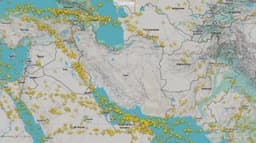
Beware of external links.
Beware of external links.
Frequently Asked Questions