

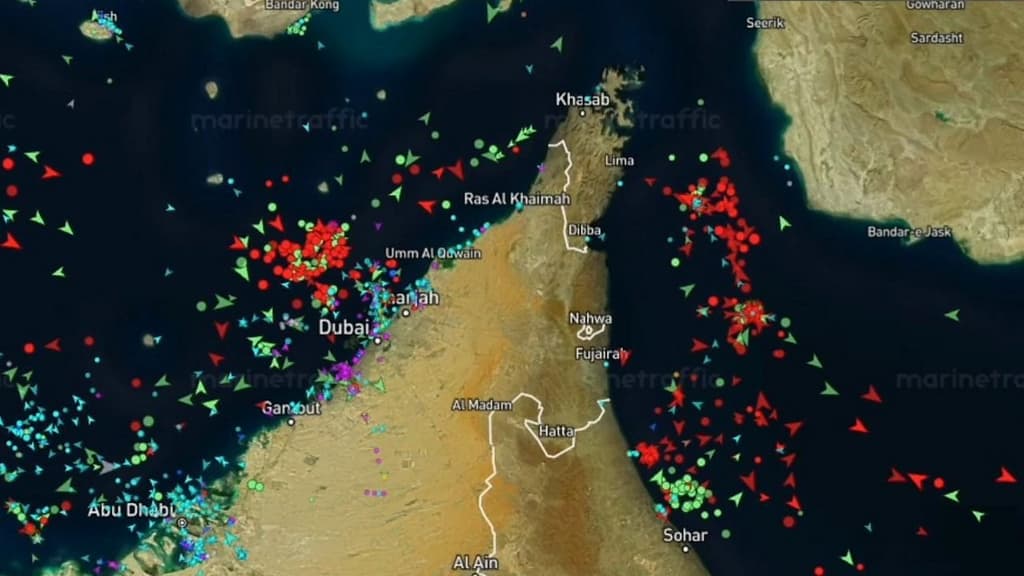
Ongoing U.S.-Iran hostilities and the associated naval blockade have kept Strait of Hormuz transits at roughly 10 vessels per day as of late August 2026, well below the pre-conflict baseline of 130, supporting elevated war-risk premiums and rerouting costs for energy cargoes. U.S. Navy assets, including destroyers and carrier strike groups, have conducted freedom-of-navigation transits and tanker escorts under operations such as Project Freedom, while Indian Navy warships have executed escort missions for flagged vessels. These deployments, alongside limited activity from other nations, have shaped trader views on which countries’ military vessels would transit by the August 31 resolution date. Recent mine-clearance announcements and fluctuating Omani corridor usage have introduced modest volatility in implied probabilities without materially altering the dominant U.S. and Indian presence.
Experimental AI-generated summary referencing Polymarket data. This is not trading advice and plays no role in how this market resolves. · UpdatedWhich countries will send warships through the Strait of Hormuz by August 31?
Which countries will send warships through the Strait of Hormuz by August 31?
$287,530 Vol.

UK
No

France
No

US
No

Netherlands
No

Greece
No

Italy
No

Germany
No

Australia
No
$287,530 Vol.
UK
No
France
No
US
No
Netherlands
No
Greece
No
Italy
No
Germany
No
Australia
No
A "warship transit" is defined as a military vessel passing through the Strait of Hormuz. Military cargo or support vessels will be considered “warships”; however, commercial or civilian vessels will not qualify.
For the purposes of this market, only transits through the Strait of Hormuz will be considered, defined as passage through the narrowest portion of the waterway between Iran and Oman. Operations solely in the Persian Gulf, Gulf of Oman, or Arabian Sea without passage through this narrowest section will not qualify.
Official confirmation by a national government or its military that its vessels transited through the Strait of Hormuz during the specified timeframe will resolve this market immediately. An overwhelming consensus of credible reporting confirming that such a transit occurred during the specified timeframe will also suffice.
Qualifying confirmations must be made within this markets above specified timeframe and include official announcements that a country has deployed naval vessels to transit or escort shipping through the Strait of Hormuz.
Confirmations referring only to naval presence in the broader region, including the Persian Gulf, Gulf of Oman, or Arabian Sea, without confirmed transit through the Strait itself, as well as aerial operations, cyber operations, or actions by proxies or third parties, will not alone qualify.
The primary resolution source for this market will be official information by the respective national governments or their militaries; however, an overwhelming consensus of credible reporting will also suffice.
Market Opened: Jul 31, 2026, 10:14 AM ET
Resolver
0x65070BE91...Outcome proposed: No
No dispute
Final outcome: No
A "warship transit" is defined as a military vessel passing through the Strait of Hormuz. Military cargo or support vessels will be considered “warships”; however, commercial or civilian vessels will not qualify.
For the purposes of this market, only transits through the Strait of Hormuz will be considered, defined as passage through the narrowest portion of the waterway between Iran and Oman. Operations solely in the Persian Gulf, Gulf of Oman, or Arabian Sea without passage through this narrowest section will not qualify.
Official confirmation by a national government or its military that its vessels transited through the Strait of Hormuz during the specified timeframe will resolve this market immediately. An overwhelming consensus of credible reporting confirming that such a transit occurred during the specified timeframe will also suffice.
Qualifying confirmations must be made within this markets above specified timeframe and include official announcements that a country has deployed naval vessels to transit or escort shipping through the Strait of Hormuz.
Confirmations referring only to naval presence in the broader region, including the Persian Gulf, Gulf of Oman, or Arabian Sea, without confirmed transit through the Strait itself, as well as aerial operations, cyber operations, or actions by proxies or third parties, will not alone qualify.
The primary resolution source for this market will be official information by the respective national governments or their militaries; however, an overwhelming consensus of credible reporting will also suffice.
Resolver
0x65070BE91...Outcome proposed: No
No dispute
Final outcome: No
Ongoing U.S.-Iran hostilities and the associated naval blockade have kept Strait of Hormuz transits at roughly 10 vessels per day as of late August 2026, well below the pre-conflict baseline of 130, supporting elevated war-risk premiums and rerouting costs for energy cargoes. U.S. Navy assets, including destroyers and carrier strike groups, have conducted freedom-of-navigation transits and tanker escorts under operations such as Project Freedom, while Indian Navy warships have executed escort missions for flagged vessels. These deployments, alongside limited activity from other nations, have shaped trader views on which countries’ military vessels would transit by the August 31 resolution date. Recent mine-clearance announcements and fluctuating Omani corridor usage have introduced modest volatility in implied probabilities without materially altering the dominant U.S. and Indian presence.
Experimental AI-generated summary referencing Polymarket data. This is not trading advice and plays no role in how this market resolves. · Updated
Beware of external links.
Beware of external links.
Frequently Asked Questions