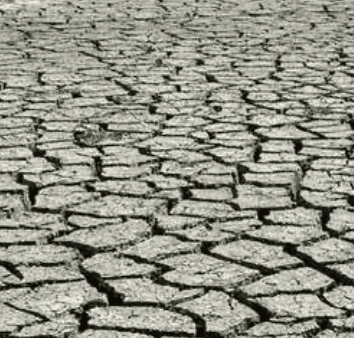
Persistent exceptional drought (D4) conditions remain concentrated in western Oklahoma, the Texas Panhandle, southeastern Arkansas, and portions of the High Plains including Colorado, Wyoming, and Nebraska, driven by prolonged below-normal precipitation over the past 30–60 days combined with above-average temperatures. The U.S. Drought Monitor, updated weekly by NOAA, USDA, and partners, shows these areas in the 0–2nd percentile of historical dryness as of the mid-August map, with limited relief from scattered rains that improved moderate drought elsewhere. Short-term forecasts through late August favor above-normal precipitation in parts of the eastern U.S. but little change across the affected Plains and West, while the next USDM release around August 27 will incorporate the most recent observational data on soil moisture, streamflow, and vegetation stress to determine D4 extent for the target week.
Experimental AI-generated summary referencing Polymarket data. This is not trading advice and plays no role in how this market resolves. · UpdatedExceptional drought (D4) by state — week of August 25, 2026
Exceptional drought (D4) by state — week of August 25, 2026
Alabama
50%
Arizona
50%
Arkansas
50%
California
50%
Colorado
50%
Delaware
50%
Florida
50%
Georgia
50%
Idaho
50%
Illinois
50%
Indiana
50%
Iowa
50%
Kansas
50%
Kentucky
50%
Louisiana
50%
Maryland
50%
Minnesota
50%
Mississippi
50%
Missouri
50%
Montana
50%
Nebraska
50%
Nevada
50%
New Jersey
50%
New Mexico
50%
North Carolina
50%
North Dakota
50%
Ohio
50%
Oklahoma
50%
Oregon
50%
Pennsylvania
50%
South Carolina
50%
South Dakota
50%
Tennessee
50%
Texas
50%
Utah
50%
Virginia
50%
Washington
50%
West Virginia
50%
Wisconsin
51%
Wyoming
50%
$0.00 Vol.
Alabama
50%
Arizona
50%
Arkansas
50%
California
50%
Colorado
50%
Delaware
50%
Florida
50%
Georgia
50%
Idaho
50%
Illinois
50%
Indiana
50%
Iowa
50%
Kansas
50%
Kentucky
50%
Louisiana
50%
Maryland
50%
Minnesota
50%
Mississippi
50%
Missouri
50%
Montana
50%
Nebraska
50%
Nevada
50%
New Jersey
50%
New Mexico
50%
North Carolina
50%
North Dakota
50%
Ohio
50%
Oklahoma
50%
Oregon
50%
Pennsylvania
50%
South Carolina
50%
South Dakota
50%
Tennessee
50%
Texas
50%
Utah
50%
Virginia
50%
Washington
50%
West Virginia
50%
Wisconsin
51%
Wyoming
50%
D4 area below 0.05% is treated as cartographic noise at state borders and resolves "No".
Alabama carries a market in May through November, so this market exists for the week valid August 25, 2026. Weeks outside that window have no Alabama market and make no claim about Alabama's drought.
Each USDM release covers the seven-day period ending Tuesday at 8:00 AM ET and is published the following Thursday.
Resolution is based on the first published US Drought Monitor release for the listed week. Subsequent revisions will not be considered; the first published release is final.
The resolution source for this market is the US Drought Monitor at droughtmonitor.unl.edu.
Market Opened: Aug 20, 2026, 9:00 AM ET
Resolution Source
https://droughtmonitor.unl.edu/DmData/DataTables.aspxResolver
0x65070BE91...D4 area below 0.05% is treated as cartographic noise at state borders and resolves "No".
Alabama carries a market in May through November, so this market exists for the week valid August 25, 2026. Weeks outside that window have no Alabama market and make no claim about Alabama's drought.
Each USDM release covers the seven-day period ending Tuesday at 8:00 AM ET and is published the following Thursday.
Resolution is based on the first published US Drought Monitor release for the listed week. Subsequent revisions will not be considered; the first published release is final.
The resolution source for this market is the US Drought Monitor at droughtmonitor.unl.edu.
Resolution Source
https://droughtmonitor.unl.edu/DmData/DataTables.aspxResolver
0x65070BE91...Persistent exceptional drought (D4) conditions remain concentrated in western Oklahoma, the Texas Panhandle, southeastern Arkansas, and portions of the High Plains including Colorado, Wyoming, and Nebraska, driven by prolonged below-normal precipitation over the past 30–60 days combined with above-average temperatures. The U.S. Drought Monitor, updated weekly by NOAA, USDA, and partners, shows these areas in the 0–2nd percentile of historical dryness as of the mid-August map, with limited relief from scattered rains that improved moderate drought elsewhere. Short-term forecasts through late August favor above-normal precipitation in parts of the eastern U.S. but little change across the affected Plains and West, while the next USDM release around August 27 will incorporate the most recent observational data on soil moisture, streamflow, and vegetation stress to determine D4 extent for the target week.
Experimental AI-generated summary referencing Polymarket data. This is not trading advice and plays no role in how this market resolves. · Updated
Beware of external links.
Beware of external links.
Frequently Asked Questions