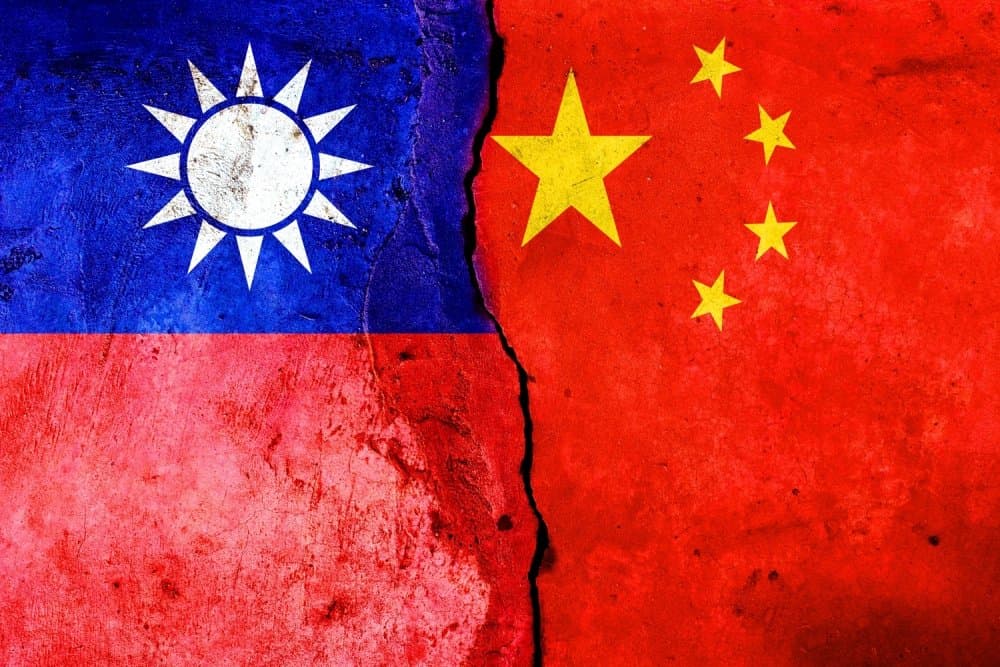
US intelligence assessments indicate Chinese leaders lack a fixed timeline for Taiwan unification and currently favor coercive gray-zone tactics—such as strait drills, maritime pressure, and information campaigns—over kinetic invasion, contributing to traders' 91.5% implied probability against an attack by mid-2027. Recent PLA leadership purges have further disrupted command reliability needed for complex amphibious operations, while visible indicators like large-scale troop or logistics mobilization remain absent. Taiwan's August Han Kuang exercises, testing reservist mobilization and civil defenses, underscore defensive preparations without triggering escalation. These factors, alongside high operational risks and potential external responses, align with market pricing that an invasion window by the deadline stays unlikely absent major shifts in capabilities or intent.
Experimental AI-generated summary referencing Polymarket data. This is not trading advice and plays no role in how this market resolves. · UpdatedWill China invade Taiwan by June 30, 2027?
Will China invade Taiwan by June 30, 2027?
$421,189 Vol.
$421,189 Vol.
$421,189 Vol.
$421,189 Vol.
Territory under the administration of the Republic of China, including any inhabited islands, will qualify; however, uninhabited islands will not qualify.
The resolution source for this market will be official confirmation by China, Taiwan, the United Nations, or any permanent member of the UN Security Council; however, a consensus of credible reporting will also be used.
Market Opened: Apr 1, 2026, 12:17 PM ET
Resolver
0x65070BE91...Territory under the administration of the Republic of China, including any inhabited islands, will qualify; however, uninhabited islands will not qualify.
The resolution source for this market will be official confirmation by China, Taiwan, the United Nations, or any permanent member of the UN Security Council; however, a consensus of credible reporting will also be used.
Resolver
0x65070BE91...US intelligence assessments indicate Chinese leaders lack a fixed timeline for Taiwan unification and currently favor coercive gray-zone tactics—such as strait drills, maritime pressure, and information campaigns—over kinetic invasion, contributing to traders' 91.5% implied probability against an attack by mid-2027. Recent PLA leadership purges have further disrupted command reliability needed for complex amphibious operations, while visible indicators like large-scale troop or logistics mobilization remain absent. Taiwan's August Han Kuang exercises, testing reservist mobilization and civil defenses, underscore defensive preparations without triggering escalation. These factors, alongside high operational risks and potential external responses, align with market pricing that an invasion window by the deadline stays unlikely absent major shifts in capabilities or intent.
Experimental AI-generated summary referencing Polymarket data. This is not trading advice and plays no role in how this market resolves. · Updated
Beware of external links.
Beware of external links.
Frequently Asked Questions