
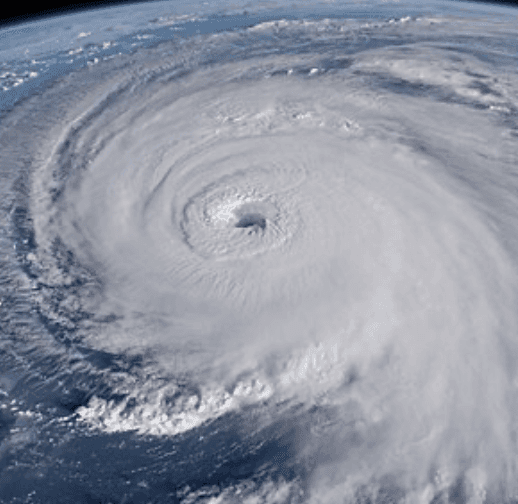
**Strong El Niño-driven wind shear has suppressed Atlantic hurricane formation through mid-September 2026, producing only six tropical storms—Arthur, Bertha, Cristobal, Dolly, Edouard, and Fay—with zero reaching 64 kt sustained winds.** Official NHC data show accumulated cyclone energy at just 6.3 units, roughly 8% of the 1991–2020 average, as elevated shear disrupts organization. Fay, the most recent system, peaked at 60 kt before weakening. With the next name after Fay being Gonzalo, followed by Hanna and Isaias, market-implied odds reflect trader focus on the first system likely to intensify amid persistently unfavorable conditions. The season has already broken the satellite-era record for the latest first hurricane (previously September 11). October monitoring by the NHC and updated model runs will determine whether any late-season development shifts probabilities toward later names or an unusually quiet year overall.
Experimental AI-generated summary referencing Polymarket data. This is not trading advice and plays no role in how this market resolves. · UpdatedWhat will be the name of the first hurricane in the Atlantic for the 2026 Hurricane Season?
What will be the name of the first hurricane in the Atlantic for the 2026 Hurricane Season?
Gonzalo 44.6%
Other 27.0%
Hanna 12.0%
Isaias 11.7%
$40,803 Vol.
$40,803 Vol.
Cristobal
<1%
Dolly
<1%
Edouard
3%
Fay
3%
Gonzalo
45%
Hanna
27%
Isaias
26%
Josephine
5%
Kyle
4%
Leah
1%
Marco
<1%
Nana
<1%
Omar
<1%
Paulette
<1%
Rene
<1%
Sally
<1%
Teddy
<1%
Vicky
<1%
Wilfred
<1%
Other
27%
Gonzalo 44.6%
Other 27.0%
Hanna 12.0%
Isaias 11.7%
$40,803 Vol.
$40,803 Vol.
Cristobal
<1%
Dolly
<1%
Edouard
3%
Fay
3%
Gonzalo
45%
Hanna
27%
Isaias
26%
Josephine
5%
Kyle
4%
Leah
1%
Marco
<1%
Nana
<1%
Omar
<1%
Paulette
<1%
Rene
<1%
Sally
<1%
Teddy
<1%
Vicky
<1%
Wilfred
<1%
Other
27%
A hurricane is a tropical cyclone with maximum sustained winds of 74 mph or greater (Category 1 or higher on the Saffir-Simpson Hurricane Wind Scale), as described at https://www.nhc.noaa.gov/aboutsshws.php. A tropical storm will not qualify as a hurricane even if it is named.
All names are from the NHC list of 2026 Atlantic Names (https://www.nhc.noaa.gov/aboutnames.shtml).
This market may resolve based on the initial NHC advisory reporting a qualifying hurricane regardless of any later advisory, retraction, best-track revision, or reanalysis that revises that storm's intensity downward.
Market Opened: Jul 24, 2026, 12:54 PM ET
Resolver
0x69c47De9D...A hurricane is a tropical cyclone with maximum sustained winds of 74 mph or greater (Category 1 or higher on the Saffir-Simpson Hurricane Wind Scale), as described at https://www.nhc.noaa.gov/aboutsshws.php. A tropical storm will not qualify as a hurricane even if it is named.
All names are from the NHC list of 2026 Atlantic Names (https://www.nhc.noaa.gov/aboutnames.shtml).
This market may resolve based on the initial NHC advisory reporting a qualifying hurricane regardless of any later advisory, retraction, best-track revision, or reanalysis that revises that storm's intensity downward.
Resolver
0x69c47De9D...**Strong El Niño-driven wind shear has suppressed Atlantic hurricane formation through mid-September 2026, producing only six tropical storms—Arthur, Bertha, Cristobal, Dolly, Edouard, and Fay—with zero reaching 64 kt sustained winds.** Official NHC data show accumulated cyclone energy at just 6.3 units, roughly 8% of the 1991–2020 average, as elevated shear disrupts organization. Fay, the most recent system, peaked at 60 kt before weakening. With the next name after Fay being Gonzalo, followed by Hanna and Isaias, market-implied odds reflect trader focus on the first system likely to intensify amid persistently unfavorable conditions. The season has already broken the satellite-era record for the latest first hurricane (previously September 11). October monitoring by the NHC and updated model runs will determine whether any late-season development shifts probabilities toward later names or an unusually quiet year overall.
Experimental AI-generated summary referencing Polymarket data. This is not trading advice and plays no role in how this market resolves. · Updated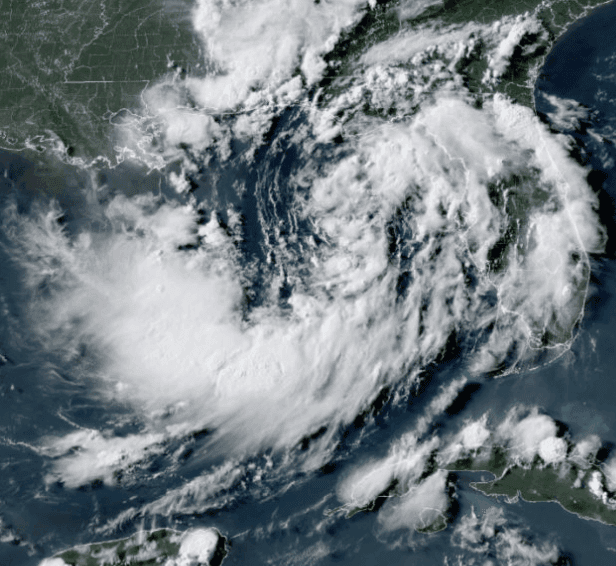
Beware of external links.
Beware of external links.
Frequently Asked Questions