
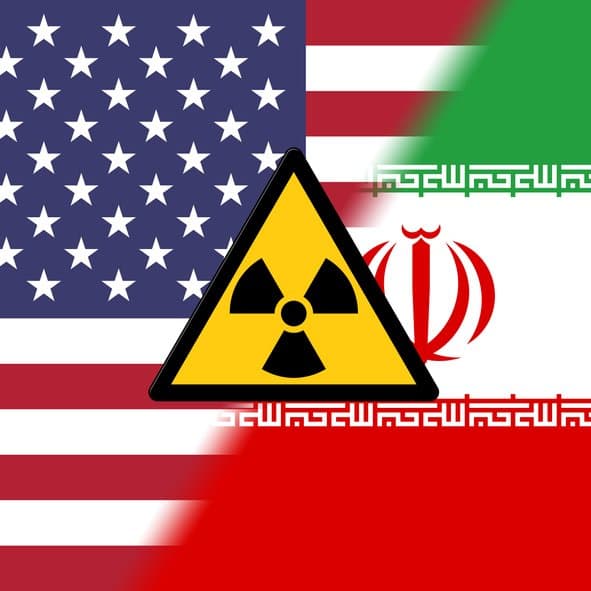
**Traders price the “No” outcome at 80.5% because a binding UN Security Council resolution endorsing a comprehensive final U.S.-Iran agreement by December 31, 2026, faces steep procedural, technical, and political hurdles that have only grown since the June 2026 memorandum of understanding.** The MoU established a 60-day window (extendable by consent) to negotiate a final deal covering Iran’s nuclear program, sanctions relief, and related issues, with explicit language that the outcome would be endorsed by a UNSC resolution. That window closed in mid-August amid mutual accusations of violations, renewed exchanges of fire, and stalled follow-on talks. Key sticking points include verification of post-strike nuclear sites, limits on uranium enrichment inside Iran, disposition of existing stockpiles under IAEA supervision, and the sequencing of U.S. and UN sanctions relief. UNSC dynamics add further friction: snapback sanctions reimposed in 2025 remain in force, the Council remains split between the E3/U.S. position and Russia/China/Iran arguments that Resolution 2231 has lapsed, and any new endorsing resolution would require at least nine affirmative votes without a veto. U.S. domestic requirements, including potential congressional review under INARA, and the need for coordinated implementation with European and other partners further compress the remaining calendar. While both sides have reiterated a preference for diplomacy and the MoU text keeps the door open to extensions, the absence of concrete progress on core nuclear parameters since June and the compressed timeline to year-end underpin the current market consensus reflected in the 80.5% probability for “No.”
Experimental AI-generated summary referencing Polymarket data. This is not trading advice and plays no role in how this market resolves. · UpdatedUNSC Resolution Endorsing Final U.S.-Iran Deal by December 31?
UNSC Resolution Endorsing Final U.S.-Iran Deal by December 31?
$192,921 Vol.
$192,921 Vol.
$192,921 Vol.
$192,921 Vol.
This market will resolve to “Yes” if the United Nations Security Council formally adopts a resolution that endorses, approves, implements, gives legal effect to, or incorporates such a “final deal” by December 31, 2026, 11:59 PM ET. Otherwise, this market will resolve to “No.”
The “final U.S.-Iran deal” refers to a diplomatic agreement identified as the final deal contemplated by the June 14, 2026, memorandum of understanding, either in the text of the resolution, official United States or Iranian communications, or by a consensus of credible reporting.
The resolution source will be a consensus of credible reporting.
Market Opened: Jun 23, 2026, 12:51 AM ET
Resolver
0x65070BE91...This market will resolve to “Yes” if the United Nations Security Council formally adopts a resolution that endorses, approves, implements, gives legal effect to, or incorporates such a “final deal” by December 31, 2026, 11:59 PM ET. Otherwise, this market will resolve to “No.”
The “final U.S.-Iran deal” refers to a diplomatic agreement identified as the final deal contemplated by the June 14, 2026, memorandum of understanding, either in the text of the resolution, official United States or Iranian communications, or by a consensus of credible reporting.
The resolution source will be a consensus of credible reporting.
Resolver
0x65070BE91...**Traders price the “No” outcome at 80.5% because a binding UN Security Council resolution endorsing a comprehensive final U.S.-Iran agreement by December 31, 2026, faces steep procedural, technical, and political hurdles that have only grown since the June 2026 memorandum of understanding.** The MoU established a 60-day window (extendable by consent) to negotiate a final deal covering Iran’s nuclear program, sanctions relief, and related issues, with explicit language that the outcome would be endorsed by a UNSC resolution. That window closed in mid-August amid mutual accusations of violations, renewed exchanges of fire, and stalled follow-on talks. Key sticking points include verification of post-strike nuclear sites, limits on uranium enrichment inside Iran, disposition of existing stockpiles under IAEA supervision, and the sequencing of U.S. and UN sanctions relief. UNSC dynamics add further friction: snapback sanctions reimposed in 2025 remain in force, the Council remains split between the E3/U.S. position and Russia/China/Iran arguments that Resolution 2231 has lapsed, and any new endorsing resolution would require at least nine affirmative votes without a veto. U.S. domestic requirements, including potential congressional review under INARA, and the need for coordinated implementation with European and other partners further compress the remaining calendar. While both sides have reiterated a preference for diplomacy and the MoU text keeps the door open to extensions, the absence of concrete progress on core nuclear parameters since June and the compressed timeline to year-end underpin the current market consensus reflected in the 80.5% probability for “No.”
Experimental AI-generated summary referencing Polymarket data. This is not trading advice and plays no role in how this market resolves. · Updated
Beware of external links.
Beware of external links.
Frequently Asked Questions