
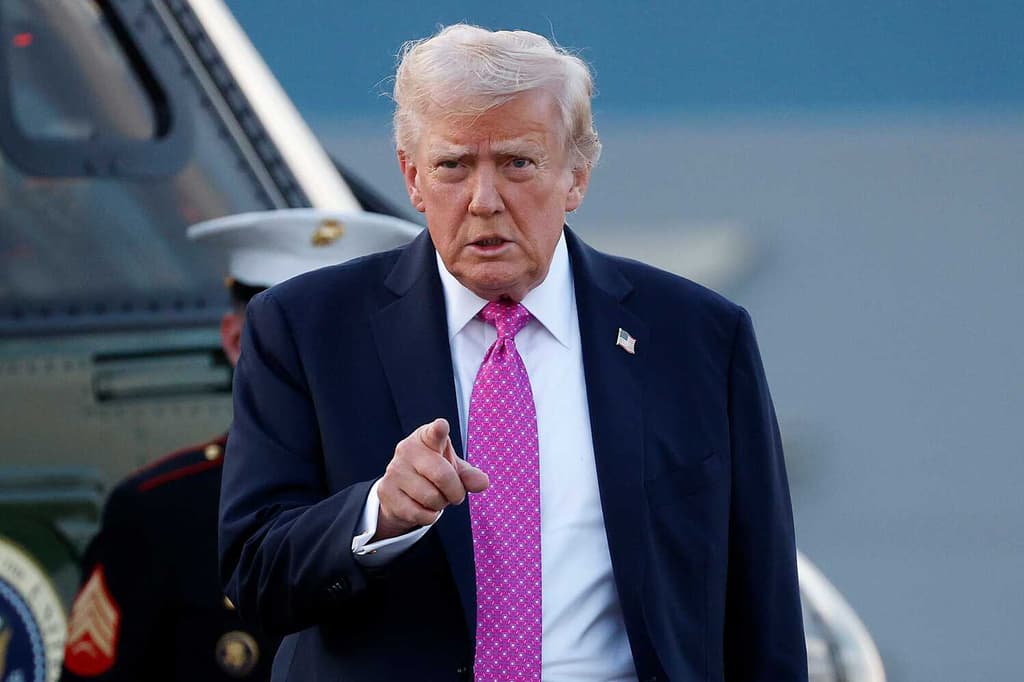
Trump's long record of direct personal criticism through Truth Social posts, interviews, and speeches continues to shape trader views on daily insult markets. As president in 2026, he has repeatedly targeted journalists and political figures, including an August 29 attack on New York Times reporter Maggie Haberman that used derogatory nicknames and accusations of fabrication. Earlier examples include a July White House Correspondents’ Dinner address featuring multiple ad hominem remarks against reporters and opponents, plus prior exchanges with figures such as Kaitlan Collins. These patterns, combined with ongoing public statements on policy disputes, underpin strong market consensus that such language appears on most dates. Scheduled events like press interactions or legislative debates could influence frequency, though resolution hinges on verifiable public statements meeting the market criteria.
Experimental AI-generated summary referencing Polymarket data. This is not trading advice and plays no role in how this market resolves. · Updated$15,587 Vol.
September 3
92%
September 4
95%
September 5
88%
September 6
49%
September 7
92%
September 8
89%
September 9
94%
September 10
88%
September 11
94%
September 12
88%
September 13
84%
September 14
94%
September 15
88%
September 16
90%
September 17
92%
September 18
54%
September 19
85%
September 20
85%
September 21
91%
September 22
86%
September 23
91%
September 24
91%
September 25
87%
September 26
88%
September 27
82%
September 28
91%
September 29
84%
September 30
94%
$15,587 Vol.
September 3
92%
September 4
95%
September 5
88%
September 6
49%
September 7
92%
September 8
89%
September 9
94%
September 10
88%
September 11
94%
September 12
88%
September 13
84%
September 14
94%
September 15
88%
September 16
90%
September 17
92%
September 18
54%
September 19
85%
September 20
85%
September 21
91%
September 22
86%
September 23
91%
September 24
91%
September 25
87%
September 26
88%
September 27
82%
September 28
91%
September 29
84%
September 30
94%
A qualifying public statement is any written, verbal, or recorded statement which is either made in a public setting, published by the speaker, or on the record to media, and the direct language of which is made publicly available on the specified date (ET). Pre-recorded public statements will count for the date (ET) that they are made publicly available. Statements made in private that are subsequently leaked will not qualify, even if credibly reported. Narrations and paraphrasings do not qualify.
Images and videos posted on verified social media accounts will only qualify if they contain insulting language clearly directed at the individual, whether within the content itself or in an accompanying caption. Language within the content of a video will only qualify if Donald Trump is clearly portrayed as saying it. Insulting language within the content of a video said by anyone other than Donald Trump or a portrayal thereof will not qualify.
A quote post will qualify if added language independently qualifies as an insult, or endorses insulting language directed at the individual within the quoted post; a repost of another account's post will not qualify.
A public statement qualifies as an insult if it mocks, degrades, or disparages the individual either personally or professionally. This includes calling the individual a clearly insulting trait (e.g., weak, stupid, disloyal, a failure), using an insulting nickname (e.g., Crooked Hillary), using other clearly derogatory language, or using the negative form of a positive trait in a clearly derogatory manner (e.g., “He isn’t smart”, “He has no judgment”). Disparaging the individual in their professional capacity will qualify (e.g., "He is a disaster candidate," "He is terrible at his job"); however, negative comments directed at the individual's specific actions, policies, or decisions will not qualify (e.g., "He has bad policies," "He is wrong about healthcare").
A statement made in direct reference to the individual will qualify even if they are not named, so long as it is reasonably clear from context that they are the subject.
The resolution sources will be public statements made by Donald Trump and a consensus of credible reporting.
Market Opened: Sep 2, 2026, 5:16 PM ET
Resolver
0x65070BE91...A qualifying public statement is any written, verbal, or recorded statement which is either made in a public setting, published by the speaker, or on the record to media, and the direct language of which is made publicly available on the specified date (ET). Pre-recorded public statements will count for the date (ET) that they are made publicly available. Statements made in private that are subsequently leaked will not qualify, even if credibly reported. Narrations and paraphrasings do not qualify.
Images and videos posted on verified social media accounts will only qualify if they contain insulting language clearly directed at the individual, whether within the content itself or in an accompanying caption. Language within the content of a video will only qualify if Donald Trump is clearly portrayed as saying it. Insulting language within the content of a video said by anyone other than Donald Trump or a portrayal thereof will not qualify.
A quote post will qualify if added language independently qualifies as an insult, or endorses insulting language directed at the individual within the quoted post; a repost of another account's post will not qualify.
A public statement qualifies as an insult if it mocks, degrades, or disparages the individual either personally or professionally. This includes calling the individual a clearly insulting trait (e.g., weak, stupid, disloyal, a failure), using an insulting nickname (e.g., Crooked Hillary), using other clearly derogatory language, or using the negative form of a positive trait in a clearly derogatory manner (e.g., “He isn’t smart”, “He has no judgment”). Disparaging the individual in their professional capacity will qualify (e.g., "He is a disaster candidate," "He is terrible at his job"); however, negative comments directed at the individual's specific actions, policies, or decisions will not qualify (e.g., "He has bad policies," "He is wrong about healthcare").
A statement made in direct reference to the individual will qualify even if they are not named, so long as it is reasonably clear from context that they are the subject.
The resolution sources will be public statements made by Donald Trump and a consensus of credible reporting.
Resolver
0x65070BE91...Trump's long record of direct personal criticism through Truth Social posts, interviews, and speeches continues to shape trader views on daily insult markets. As president in 2026, he has repeatedly targeted journalists and political figures, including an August 29 attack on New York Times reporter Maggie Haberman that used derogatory nicknames and accusations of fabrication. Earlier examples include a July White House Correspondents’ Dinner address featuring multiple ad hominem remarks against reporters and opponents, plus prior exchanges with figures such as Kaitlan Collins. These patterns, combined with ongoing public statements on policy disputes, underpin strong market consensus that such language appears on most dates. Scheduled events like press interactions or legislative debates could influence frequency, though resolution hinges on verifiable public statements meeting the market criteria.
Experimental AI-generated summary referencing Polymarket data. This is not trading advice and plays no role in how this market resolves. · Updated


Beware of external links.
Beware of external links.
Frequently Asked Questions