
Recent polls show Israel's two main political blocs nearly tied around 52-54 Knesset seats each ahead of the October 27 legislative election, with Arab parties holding the balance at roughly 12-14 seats and no side assured of the 61-seat majority required to form a government. This arithmetic has produced the current 50% implied probability on a confidence vote by year-end, as coalition talks among ideologically distant partners—such as secular centrists, far-right factions, ultra-Orthodox parties, and Arab lists—have historically extended for weeks or triggered repeat elections. Key variables that could shift odds include the final seat distribution after October 27, the willingness of parties like Yisrael Beiteinu or Religious Zionism to cross bloc lines, and any early signs of deadlock in post-election negotiations.
Resumo experimental gerado por IA com dados do Polymarket. Isto não é aconselhamento de trading e não tem qualquer papel na resolução deste mercado. · AtualizadoThis market will resolve to "Yes" if the Knesset votes on whether to express confidence in a new government by December 31, 2026, 11:59 PM ET. Otherwise, this market will resolve to "No".
A vote will qualify regardless of its passage. A motion of no confidence in an existing government will not qualify.
The continuation in office of the outgoing caretaker government will not be considered.
The primary resolution source for this market will be official information from the Knesset; however, a consensus of credible reporting may also be used.
Mercado Aberto: Aug 20, 2026, 5:28 AM ET
Resolver
0x65070BE91...This market will resolve to "Yes" if the Knesset votes on whether to express confidence in a new government by December 31, 2026, 11:59 PM ET. Otherwise, this market will resolve to "No".
A vote will qualify regardless of its passage. A motion of no confidence in an existing government will not qualify.
The continuation in office of the outgoing caretaker government will not be considered.
The primary resolution source for this market will be official information from the Knesset; however, a consensus of credible reporting may also be used.
Resolver
0x65070BE91...Recent polls show Israel's two main political blocs nearly tied around 52-54 Knesset seats each ahead of the October 27 legislative election, with Arab parties holding the balance at roughly 12-14 seats and no side assured of the 61-seat majority required to form a government. This arithmetic has produced the current 50% implied probability on a confidence vote by year-end, as coalition talks among ideologically distant partners—such as secular centrists, far-right factions, ultra-Orthodox parties, and Arab lists—have historically extended for weeks or triggered repeat elections. Key variables that could shift odds include the final seat distribution after October 27, the willingness of parties like Yisrael Beiteinu or Religious Zionism to cross bloc lines, and any early signs of deadlock in post-election negotiations.
Resumo experimental gerado por IA com dados do Polymarket. Isto não é aconselhamento de trading e não tem qualquer papel na resolução deste mercado. · Atualizado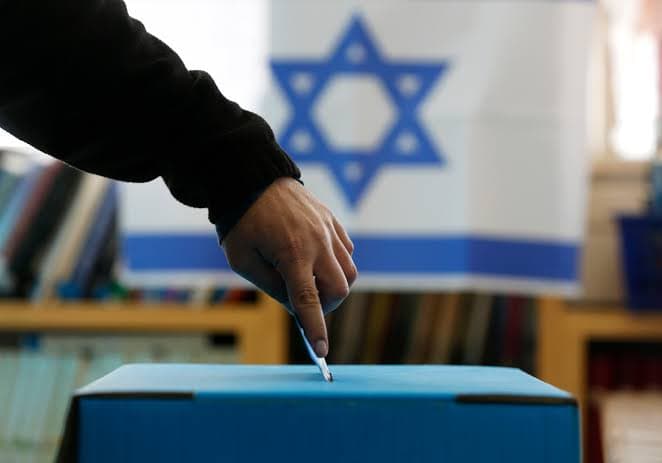

Cuidado com os links externos.
Cuidado com os links externos.
Frequently Asked Questions