
Republicans enter the 2026 midterms holding 53 Senate seats but face a map requiring them to limit net losses to two or fewer to retain majority control. Recent generic ballot polling showing a consistent Democratic edge, combined with low presidential approval ratings, has elevated Democratic prospects in key contests including North Carolina, Maine, Ohio, and Alaska. Analysts note structural advantages for Republicans on defense in most states, yet competitive dynamics in Georgia and Michigan plus retirements have widened the range of plausible outcomes around 48–51 seats. Trader pricing reflects uncertainty over whether national conditions will produce modest Republican erosion or a larger shift, with late-cycle polling, candidate performance, and turnout patterns in battleground states likely to determine final seat totals.
Resumen experimental generado por IA con datos de Polymarket. Esto no es asesoramiento de trading y no influye en cómo se resuelve este mercado. · ActualizadoSherrod Brown and Jon Husted face off in Ohio Senate special election
The Ohio special Senate election between Democratic nominee Sherrod Brown and Republican incumbent Jon Husted is set for November 3, 2026, with the outcome potentially affecting Senate control. This race has drawn significant attention and fundraising, impacting market expectations.
Final primaries and candidate confirmations solidify Senate race lineups
≤47 rises to 27%3%
Late summer primaries and candidate confirmations finalized the competitive landscape for the November elections, allowing markets to price in clearer probabilities for Republican seat outcomes in the 2026 midterms.
Final candidate lists and polling data solidify expectations for competitive Senate races
50 dips to 13%3%
By August, candidate lineups and polling in key states like Texas and North Carolina solidified market expectations, with Republicans defending many seats but facing strong Democratic challenges, influencing final market pricing.
Polling shows Republicans favored to retain Senate majority despite Democratic gains
Polling data in August 2026 indicated Republicans were likely to keep Senate control, reflecting the impact of campaign investments and candidate positioning, which stabilized market prices for Republican seat counts.
Minnesota Democratic Lt. Gov. Peggy Flanagan wins Senate primary
Peggy Flanagan won the Democratic primary for the Minnesota Senate seat, setting up a high-profile general election against Republican Michelle Tafoya in a state with no Republican senator since 2002.
South Carolina special Republican Senate primary results announced
The special primary to replace the late Senator Lindsey Graham concluded with no majority winner, leading to a runoff and maintaining Republican control expectations in the state, impacting market pricing on GOP seat counts.
South Carolina holds special Republican primary to replace late Senator Lindsey Graham
Following the death of Senator Lindsey Graham, South Carolina held a special Republican primary on August 11 to select a replacement candidate for the November ballot, influencing market dynamics in a traditionally Republican seat.
South Carolina special Republican primary held to replace late Senator Lindsey Graham
≤47 rises to 26%2%
South Carolina held a special Republican primary on August 11, 2026, to select a replacement candidate for the late Senator Lindsey Graham. The primary resulted in a runoff between Darline Graham and Ralph Norman, with the winner expected to have a strong advantage in the general election, impacting Republican seat retention prospects.
South Carolina holds special Republican primary following Lindsey Graham's death
Following Senator Lindsey Graham's death, South Carolina held a special Republican primary to select a replacement nominee, with a runoff scheduled if no candidate won a majority, impacting the Republican Senate race dynamics in the state.
South Carolina holds special Republican Senate primary following Lindsey Graham's death
48 dips to 9%1%
South Carolina conducted a special Republican primary to select a replacement candidate after Senator Lindsey Graham's death, creating uncertainty and a runoff scenario that affected market perceptions of Republican strength in the state.
Democratic candidates lead or tie in key Senate races including Michigan and North Carolina
≤47 dips to 26%2%
Recent polls show Democratic candidates leading or tied in competitive Senate races in states like Michigan and North Carolina, reflecting growing Democratic optimism and challenging Republican incumbents or open seats. This polling shift has contributed to market price declines for higher Republican seat counts.
South Carolina special Republican primary held to replace late Sen. Lindsey Graham
53 dips to 3%1%
South Carolina held a special Republican primary on August 11, 2026, to select a replacement candidate for the late Sen. Lindsey Graham. The primary outcome shaped the GOP candidate for a reliably Republican seat, influencing market expectations for Republican Senate seats.
South Carolina special primary runoff election held for U.S. Senate seat
≤47 rises to 26%2%
South Carolina conducted a runoff election on August 11 to determine the Republican candidate for the special U.S. Senate election, following the death of Senator Lindsey Graham. This event finalized the GOP nominee, influencing the general election dynamics in the state.
Minnesota primary election held for U.S. Senate seat
50 dips to 14%3%
Minnesota held its primary election for the U.S. Senate seat, with Peggy Flanagan winning the Democratic nomination, setting the stage for a competitive general election in a state with a retiring incumbent Democrat.
South Carolina special primary election held to select replacement Republican Senate candidate
South Carolina held a special primary on August 11 to select a replacement Republican candidate for the Senate contest following the death of Senator Lindsey Graham, impacting the Republican seat outlook in the state.
Special primary held in South Carolina to replace late Sen. Lindsey Graham
≤47 rises to 27%4%
South Carolina held a special primary to select a Republican candidate following the death of Senator Lindsey Graham, introducing uncertainty in a traditionally Republican seat and influencing market expectations for Republican seat counts.
New poll shows Troy Jackson leading Susan Collins in Maine Senate race
A Fox News poll in August 2026 showed Democratic candidate Troy Jackson holding a narrow lead over incumbent Republican Susan Collins in Maine, highlighting the competitiveness of this key Senate battleground race.
Ken Paxton and James Talarico emerge as Texas Senate nominees
Texas Senate race nominees were finalized with Republican Ken Paxton and Democrat James Talarico, setting up a highly competitive and expensive race. Polls showed a tight race, influencing market uncertainty and price volatility around outcomes near 49-51 Republican seats.
Texas Senate race remains highly competitive with Paxton vs. Talarico
The Texas Senate race between Republican Ken Paxton and Democrat James Talarico is among the most expensive and closely watched, with polling indicating a tight contest that could affect Senate balance.
Ken Paxton wins Texas Republican Senate primary over John Cornyn
Ken Paxton, a MAGA loyalist, defeated four-term Senator John Cornyn in the Texas Republican primary, setting up a high-profile and expensive Senate race against Democrat James Talarico, impacting the competitive landscape for Senate control.
Polling shows tight race in Ohio special Senate election with Democrat Sherrod Brown ahead
50 dips to 13%1%
In Ohio's special Senate election, appointed Republican Jon Husted trailed Democrat Sherrod Brown by a narrow margin, signaling a competitive race that could impact Republican seat retention and market pricing.
Minnesota Senate primaries conclude with competitive DFL and Republican fields
The Minnesota primaries finalized candidates for an open Senate seat, with Democrats Peggy Flanagan and Angie Craig leading the DFL race and a crowded Republican primary, impacting market uncertainty in this battleground state.
Sherrod Brown and Jon Husted face off in Ohio Senate race polls
49 drops to 14%6%
Polling in Ohio showed a competitive race between Democrat Sherrod Brown and Republican incumbent Jon Husted, highlighting Ohio as a key battleground that could influence Senate control.
Alexander Vindman and Angie Nixon face off in Florida special Senate election
The special election in Florida to fill Marco Rubio's vacated seat featured candidates Alexander Vindman and Angie Nixon, drawing national attention and impacting market views on the competitiveness of the seat and Republican retention chances.
Peggy Flanagan and Angie Craig lead Minnesota Senate Democratic primary
49 drops to 14%6%
In Minnesota's open Senate seat race, prominent Democrats Peggy Flanagan and Angie Craig emerged as frontrunners, shaping the competitive landscape in a state Democrats aim to hold against Republican challenges.
Third consecutive poll shows James Talarico leading Ken Paxton in Texas Senate race
Multiple polls in early August 2026 consistently showed Democrat James Talarico narrowly ahead of Republican Ken Paxton in the Texas Senate race, indicating a tight contest and influencing market sentiment on Republican seat retention.
Michigan Senate primary held with multiple candidates
Michigan held its Senate primary with several Democratic and Republican candidates, including notable retirements increasing competitiveness. This primary shaped the general election dynamics in a key battleground state.
Missouri Republican Senator running for majority leader loses GOP primary
The primary upset in Missouri reflected internal GOP divisions and voter dissatisfaction, signaling potential vulnerabilities for Republicans in the general election and impacting market expectations.
Primary elections held in multiple states including Florida and South Carolina
August primaries in key states such as Florida and South Carolina finalized candidates for the general election, clarifying the competitive landscape and influencing market expectations for Republican Senate seat retention.
Michigan Democratic Senate primary concludes with Abdul El-Sayed nominated
≤47 dips to 23%3%
Abdul El-Sayed won the Democratic primary in Michigan, setting up a competitive general election against Republican nominee Mike Rogers, influencing market expectations for the Michigan Senate seat.
Michigan Senate primary concludes with Abdul El-Sayed winning Democratic nomination
≤47 dips to 24%2%
Abdul El-Sayed's primary victory positioned a progressive candidate in a key battleground state, increasing Democratic hopes to flip the seat and affecting market pricing on Republican seat retention.
Adam Hamilton wins Kansas Democratic Senate primary
50 dips to 14%4%
The Democratic primary result in Kansas clarified the opposition candidate for the Republican-held seat, influencing market expectations about the competitiveness of the race and Republican seat retention probabilities.
Sherrod Brown wins Ohio Democratic primary for U.S. Senate special election
Former Senator Sherrod Brown won the Democratic primary to challenge Republican incumbent Jon Husted in the Ohio special Senate election, setting up a high-profile rematch that could influence control of the Senate.
Democratic primary in Michigan Senate race features Abdul El-Sayed and Haley Stevens
The competitive Democratic primary in Michigan, a key battleground state, drew attention to the Senate race where Democrats aim to flip a Republican seat. This heightened focus on Michigan's race affected market expectations for overall Senate control.
Virginia Democratic primary concludes with Mark Warner as nominee
51 dips to 13%2%
Incumbent Senator Mark Warner secured the Democratic nomination in Virginia's August 4 primary, setting up a general election against the Republican nominee and affecting market predictions for the Senate balance.
FBI searches Ohio voter registration group offices amid Justice Department probe
In August 2026, the FBI searched the offices of the Ohio Organizing Collaborative as part of a Justice Department investigation into voter registration efforts. This federal scrutiny raised concerns about election integrity and could influence voter turnout and confidence, impacting Senate race dynamics in Ohio and nationally.
Primaries conclude in key Senate battlegrounds including Virginia and Texas
50 dips to 14%2%
The completion of primaries in critical states like Virginia and Texas clarified candidate lineups, reducing uncertainty and causing market adjustments reflecting the perceived strength of Republican and Democratic nominees.
Retirements announced by seven Republican Senators ahead of 2026 midterms
49 rises to 16%2%
The announcement of multiple Republican retirements increased the number of open seats, raising the risk of Democratic pickups and causing market prices to reflect greater uncertainty about Republican seat retention.
Polling shows Republicans twice as likely to vote Democratic in 2026 midterms
≤47 rises to 26%2%
A Fox News poll revealed Republican voters were twice as likely to support Democratic candidates compared to Democrats supporting Republicans, signaling potential challenges for GOP Senate retention and influencing market prices downward for higher Republican seat counts.
Sabato's Crystal Ball rates Georgia Senate race Lean to Likely Democrat
50 dips to 13%1%
Sabato's Crystal Ball updated its 2026 Senate race ratings, moving Georgia from Lean to Likely Democrat, signaling increased Democratic chances to flip a Republican seat. This adjustment impacts the overall Senate control outlook, tightening the Republican majority prospects.
Sabato's Crystal Ball updates 2026 Senate race ratings
Sabato's Crystal Ball released updated ratings for the 2026 Senate races, highlighting competitive seats and the challenges Democrats face in flipping the Senate majority. This analysis influenced market sentiment by clarifying battleground states and likely outcomes.
Sabato's Crystal Ball rates Georgia Senate race Lean to Likely Democrat
≤47 dips to 23%1%
As of late July 2026, Sabato's Crystal Ball shifted the Georgia Senate race rating to Lean to Likely Democrat, reflecting increased confidence in incumbent Democrat Jon Ossoff's chances of reelection despite Republican efforts, influencing market expectations for Senate control.
Polling shows tight races in key Senate battlegrounds including Texas and Ohio
Recent polls indicated narrow leads for Republican incumbents in Texas and close contests in Ohio, increasing market uncertainty and reflecting the competitive nature of the 2026 Senate elections.
Fox News poll shows Democrat Roy Cooper leads Republican Michael Whatley by 9 points in North Carolina Senate race
A July 2026 Fox News poll found former North Carolina Governor Roy Cooper leading Republican Michael Whatley 53% to 44%, highlighting Democratic strength in a key battleground Senate race and signaling potential Republican seat losses.
James Talarico leads Ken Paxton in Texas Senate general election poll
A July 2026 poll showed Democratic candidate James Talarico leading Republican Ken Paxton by 5 points in the Texas Senate race, signaling a competitive general election in a traditionally Republican state and affecting market expectations.
Maine Democrats nominate Troy Jackson to challenge Susan Collins
Following the withdrawal of Graham Platner amid scandal, Maine Democrats nominated former state Senate President Troy Jackson as their candidate to challenge Republican incumbent Susan Collins. This nomination energized Democrats and increased competitiveness in a key Senate battleground state.
Fox News poll shows voters want major change amid economic and political discontent
A July 2026 Fox News poll revealed widespread voter dissatisfaction and motivation favoring Democrats, with President Trump's approval near record lows, contributing to Democratic optimism in Senate races and pressure on Republican seat counts.
Polling shows Democrat Roy Cooper leading Republican Michael Whatley in North Carolina Senate race
July 2026 polling indicated Democrat Roy Cooper leading in North Carolina, a key swing state Senate race, increasing Democratic chances to flip a Republican seat and impacting market pricing toward fewer Republican seats.
Polling shows Democrat Roy Cooper leading Republican Michael Whatley in North Carolina Senate race
July 2026 polling indicated Democrat Roy Cooper leading in North Carolina, a key swing state Senate race, increasing Democratic chances to flip a Republican seat and impacting market pricing toward fewer Republican seats.
Polling Shows Tight Senate Races in Texas and Michigan Favoring Democrats
≤47 dips to 23%1%
Polls in July 2026 indicated Democratic leads in Texas and a close race in Michigan, with Democrat James Talarico leading Republican Ken Paxton by 1.6 points and Republican Mike Rogers narrowly leading Democrat Abdul El-Sayed by 0.3 points, increasing uncertainty and reducing market confidence in Republican seat gains.
Polling shows Republicans twice as likely to vote Democratic in 2026 midterms
≤47 dips to 23%3%
A Fox News poll revealed Republican voters were twice as likely to support Democratic candidates compared to Democrats voting Republican, signaling potential challenges for GOP Senate retention and impacting market prices.
Abdul El-Sayed wins Michigan Democratic Senate primary
≤47 dips to 24%2%
Progressive candidate Abdul El-Sayed's primary win in Michigan shaped the Democratic challenge in a key battleground Senate race, influencing market expectations for potential Democratic gains and affecting Republican seat price movements.
Poll shows Roy Cooper leading Michael Whatley in North Carolina Senate race
A July 2026 poll showed Democrat Roy Cooper leading Republican Michael Whatley by four percentage points in North Carolina's Senate race, highlighting a competitive battleground that could impact Senate control.
Polling shows Democrat Roy Cooper leading in North Carolina Senate race
49 rises to 16%2%
Polls indicated Democrat Roy Cooper leading Republican Michael Whatley by over 7 points in North Carolina, a critical swing state Senate race that could affect overall Senate control and market expectations.
Fox News poll shows Susan Collins leading in Maine Senate race
A Fox News poll showing Collins ahead in Maine suggests a competitive but potentially favorable environment for the Republican incumbent, influencing market expectations.
Democratic challenger Troy Jackson leads Republican Susan Collins in Maine Senate race polls
≤47 dips to 23%1%
Polling in mid-2026 showed Democratic challenger Troy Jackson leading incumbent Republican Susan Collins in Maine, a traditionally Republican-held seat in a state won by Kamala Harris in 2024, signaling a potential Democratic pickup and pressuring GOP Senate seat projections.
Senator Lindsey Graham dies, triggering special election in South Carolina
The unexpected death of Senator Lindsey Graham in July 2026 led to a special election for his seat, introducing new dynamics and uncertainty in a traditionally Republican state, which impacted market pricing for Republican seat outcomes.
Senator Gary Peters announces retirement, opening Michigan Senate seat
≤47 dips to 24%3%
Michigan Senator Gary Peters' retirement created an open seat, intensifying competition and uncertainty in a key battleground state. This development affected market pricing by increasing volatility and lowering confidence in Republican seat retention.
Prediction models show Democrats gaining momentum in Senate control chances
≤47 dips to 24%3%
Models and markets reflected increased Democratic chances to flip the Senate due to favorable polling, fundraising, and Trump's declining approval, leading to a wider distribution of possible Republican seat outcomes.
Forecasts show Republicans favored to hold Senate but with narrow margins
49 dips to 13%3%
Multiple forecasts and models in mid-2026 indicate Republicans are favored to hold the Senate majority, but with a narrow margin and competitive races in key states like Maine, North Carolina, and Ohio. The market prices reflect uncertainty with probabilities spread across 49 to 52 seats.
Republicans scramble for Graham Senate replacement as midterms loom
≤47 dips to 23%3%
Following the death of Senator Lindsey Graham, Republicans rushed to secure a replacement candidate for the South Carolina Senate race, adding uncertainty to the GOP's Senate prospects and influencing market expectations.
Senator Lindsey Graham dies, triggering special election in South Carolina
≤47 dips to 23%1%
The death of Senator Lindsey Graham created a vacancy and a special election in South Carolina, adding uncertainty to the Republican seat count and influencing market prices downward for higher Republican seat outcomes.
Senator Lindsey Graham dies, triggering special election in South Carolina
49 drops to 14%6%
The sudden death of Senator Lindsey Graham created a vacancy and a special primary for the Republican nomination, adding uncertainty to a traditionally Republican seat and impacting Senate control calculations.
Senator Lindsey Graham dies, triggering special primary for South Carolina Senate seat
The death of incumbent Senator Lindsey Graham led to a special Republican primary to select a replacement nominee. This unexpected event introduced uncertainty in a key Republican-held seat, impacting market expectations for Senate control.
Senator Lindsey Graham dies, triggering special primary for South Carolina Senate seat
48 drops to 12%12%
The death of incumbent Senator Lindsey Graham led to a special Republican primary to select a replacement nominee. This unexpected event introduced uncertainty in a key Republican-held seat, impacting market expectations for Senate control.
South Carolina holds special primary to replace deceased Republican Senate nominee
Following the death of Senator Lindsey Graham, South Carolina held a special Republican primary on August 11, 2026, to select a replacement nominee for the U.S. Senate race. This unexpected event added uncertainty to the Republican prospects in the state and affected market dynamics.
Eleven senators announce retirement ahead of 2026 midterms, including seven Republicans
50 rises to 16%2%
The announcement of multiple retirements, especially among Republicans, created uncertainty about candidate strength and seat defense, influencing market pricing on Republican seat outcomes.
Primary election results in Texas Senate race narrow GOP field
≤47 rises to 26%3%
The Texas primary results in July clarified the Republican candidate field, reducing uncertainty and slightly improving market confidence in Republican chances in a key battleground state.
GOP super PAC announces $342M investment in midterm Senate races
50 jumps to 19%5%
A major Republican super PAC committed $342 million to Senate races, boosting GOP campaign resources and signaling strong efforts to maintain Senate control, which influenced market optimism for Republicans.
Polling shows tight race in Ohio special Senate election between Jon Husted and Sherrod Brown
Recent polls indicate a close contest in Ohio's special Senate election, with Democrat Sherrod Brown leading narrowly, increasing uncertainty for Republicans holding this seat.
Republicans lock in Senate majority as Democratic hopes fade
By mid-2026, polling and prediction markets showed Republicans favored to retain Senate control, with Democrats' brief surge fading amid structural GOP advantages and competitive battlegrounds, solidifying market pricing for Republican seat counts.
New York Times/Siena polls show Democrats leading in Maine and North Carolina Senate races
Polls indicated Democratic leads in Maine and North Carolina, two key Republican-held seats, suggesting potential Democratic pickups that could impact Senate control.
Alaska Senate race shifts from Lean Republican to Toss-up
48 rises to 13%3%
The Cook Political Report updated its rating for the Alaska Senate race from Lean Republican to Toss-up, reflecting increased competitiveness and uncertainty in a traditionally Republican-held seat, impacting market expectations for Republican seat counts.
Senator retirements announced, increasing uncertainty in Senate races
52 rises to 13%4%
By July, several Republican and Democratic senators announced retirements, creating open seats and increasing competitiveness in key races, which influenced market pricing on Republican seat retention probabilities.
Polling shows Democrat Roy Cooper leading Republican Michael Whatley in North Carolina Senate race
≤47 dips to 24%3%
July 2026 polling indicated Democrat Roy Cooper leading in North Carolina, a key swing state Senate race, increasing Democratic chances to flip a Republican seat and impacting market pricing toward fewer Republican seats.
New York Times/Siena polls show Democrats gaining ground in key Senate battlegrounds
Polls conducted by The New York Times and Siena in June 2026 showed Democrats with leads or close races in battleground states like Maine and North Carolina, while Republicans held narrow leads in Alaska, Iowa, and Ohio. These polls indicated a tightening Senate race with Democrats gaining momentum but Republicans still favored to retain control.
GOP super PAC announces $342 million investment in midterm Senate races
A Republican super PAC announced a $342 million investment in key Senate races for the 2026 midterms, signaling strong GOP efforts to defend their majority. This financial commitment influenced market confidence in Republican Senate retention.
Louisiana Senate primary runoff results announced
Louisiana held runoff elections for the U.S. Senate, with the Republican primary runoff winner favored in the general election. This event clarified candidate matchups and influenced market expectations for the Senate balance.
Inside Elections rates Iowa and Montana Senate races as likely or safe Republican
Inside Elections' June 2026 ratings reflected a favorable environment for Republicans defending key seats, reinforcing market confidence in GOP Senate retention despite competitive races elsewhere.
Ken Paxton wins Texas GOP Senate primary runoff, defeating incumbent John Cornyn
≤47 dips to 24%4%
Ken Paxton's victory in the Texas GOP primary runoff over incumbent Senator Cornyn created concerns among Republicans about the general election viability of the nominee, leading to market price declines for higher Republican seat outcomes.
Inside Elections rates Iowa Senate race as Likely to Lean Republican
Inside Elections updated its 2026 Senate ratings, categorizing Iowa as Likely to Lean Republican, reflecting the GOP's defensive posture in a key open seat race following Senator Joni Ernst's retirement.
Legal challenge filed to keep same-name candidate on Alaska Senate ballot
≤47 dips to 23%1%
A legal dispute arose in Alaska over a candidate with the same name as incumbent Senator Dan Sullivan, with the challenger suing to remain on the ballot. This unusual event could affect the Republican hold on the Alaska Senate seat in the 2026 election.
Georgia Senate primary runoffs conclude with Mike Collins winning GOP nomination
Republican Mike Collins, backed by Trump, won the GOP runoff in Georgia, setting up a high-profile general election against incumbent Democrat Jon Ossoff in a key battleground state.
Mike Collins wins Georgia Republican Senate primary runoff
51 dips to 12%2%
Mike Collins won the Republican runoff for the Georgia Senate nomination, setting up a general election contest against incumbent Democrat Jon Ossoff. This race is considered highly competitive and a key battleground for Senate control.
Georgia Senate primary runoff concludes with Trump-backed Republican nominee
49 drops to 14%6%
The conclusion of the Georgia GOP primary runoff with a Trump-backed candidate solidified the Republican nominee, affecting market pricing by clarifying the competitive landscape in a key battleground state.
Primary runoffs held in key states including Georgia and South Dakota
50 rises to 14%2%
Primary runoff elections in battleground states like Georgia and South Dakota finalized candidates for the general election, clarifying the competitive landscape and influencing market pricing on Republican Senate seat outcomes.
Barry Moore wins Alabama Republican Senate runoff
49 drops to 14%6%
Barry Moore, endorsed by President Trump, won the Republican primary runoff in Alabama, securing the nomination for the Senate seat vacated by Tommy Tuberville. This solidified Republican control in a traditionally red state and influenced market confidence in GOP Senate retention.
New York Times/Siena polls show Democrats gaining ground in key Senate battlegrounds
Polls conducted by The New York Times and Siena in June 2026 showed Democrats with leads or close races in battleground states like Maine and North Carolina, while Republicans held narrow leads in Alaska, Iowa, and Ohio. These polls indicated a tightening Senate race with Democrats gaining momentum but Republicans still favored to retain control.
Ken Paxton wins Texas Republican Senate primary runoff against John Cornyn
Paxton's victory, backed by Trump, signaled a more divisive GOP primary and raised concerns about general election competitiveness in a traditionally Republican state, affecting market pricing on Republican seats.
Senator Sherrod Brown Runs Against Appointed Senator Jon Husted in Ohio Special Election
≤47 dips to 23%1%
The announcement and polling of Democrat Sherrod Brown running against appointed Republican Jon Husted in Ohio's special Senate election tightened the race, impacting market expectations for Republican seat retention in a key battleground state.
Fox News highlights 10 Senate races that could decide chamber control
≤47 dips to 23%3%
Fox News' June coverage of critical Senate races reinforced the competitive nature of the election, influencing market perceptions of Republican control risks.
Republican Mike Collins endorsed by Trump advances in Georgia Senate race
49 jumps to 20%6%
Trump's endorsement of Republican Mike Collins in Georgia's Senate race boosted his profile and competitiveness against incumbent Democrat Jon Ossoff, impacting market expectations for Republican seat gains in a battleground state.
Polling shows slight Democratic lead nationally but Republicans favored in Senate map
April and June polling indicated a slight Democratic advantage in national preference but a Senate map favoring Republicans due to the distribution of seats up for election. This nuanced outlook affected market pricing across multiple seat count outcomes.
Republican Rep. Mike Collins campaigns for Georgia Senate seat amid tight race
51 rises to 17%3%
Mike Collins' active campaign in Georgia, a key battleground, heightened attention on the race and influenced market perceptions of Republican chances to retain the seat.
Republican Mike Collins runs for U.S. Senate in Georgia with Trump backing
Mike Collins, backed by former President Trump, entered the Georgia Senate race, intensifying Republican efforts to defend the seat against incumbent Democrat Jon Ossoff, influencing market perceptions of competitiveness in Georgia.
Republican Mike Collins runs aggressive campaign in Georgia Senate race
49 jumps to 20%6%
Republican Mike Collins, backed by former President Trump, launched an aggressive campaign against Democratic incumbent Jon Ossoff in Georgia, a key battleground state, influencing market perceptions of the GOP's ability to defend vulnerable seats.
Republican Mike Collins campaigns aggressively in Georgia Senate race
50 rises to 19%3%
Mike Collins, backed by Trump, intensified his campaign in Georgia, a key Senate battleground, impacting market expectations about Republican chances to hold or flip seats in the South.
Republican Mike Collins wins Georgia Senate primary runoff
Mike Collins, backed by former President Trump, won the Republican Senate primary runoff in Georgia, setting up a general election challenge against incumbent Democrat Jon Ossoff. This primary outcome intensified the competitive nature of the Georgia Senate race, a key battleground state.
Republican Mike Collins campaigns aggressively in Georgia Senate race against incumbent Ossoff
49 rises to 20%2%
Mike Collins, backed by Trump, launched a strong campaign in Georgia, a pivotal Senate battleground, signaling a competitive race that could affect Republican seat counts and market pricing.
Republican Mike Collins campaigns aggressively in Georgia Senate race
Mike Collins, backed by Trump, campaigned aggressively in Georgia, a pivotal Senate race. Polls showed Democratic incumbent Ossoff with a double-digit lead, signaling a challenging environment for Republicans and influencing market pricing downward for higher Republican seat counts.
Republican Rep. Mike Collins campaigns aggressively in Georgia Senate race
49 dips to 14%2%
Mike Collins' active campaigning in Georgia against incumbent Democrat Jon Ossoff signaled a competitive race, impacting market expectations for Republican seat retention in a key battleground state.
Graham Platner suspends Senate bid in Maine, consolidating Democratic challenge to Susan Collins
Platner's withdrawal reduced the Republican primary competition, focusing the race on incumbent Susan Collins against Democratic challenger Troy Jackson, affecting market views on this competitive seat.
Reports highlight GOP Senate seats most at risk in 2026 midterms
Newsweek and other outlets published analyses in early June 2026 identifying vulnerable Republican Senate seats, including in swing states and those with competitive primaries, reinforcing market expectations of Republican seat losses.
Alabama Republican primary runoff shows competitive Senate race dynamics
The Republican primary runoff in Alabama featured close polling between candidates Jared Hudson and Barry Moore, indicating competitive intra-party dynamics that could affect Republican Senate seat retention and market pricing.
South Carolina holds special primary to replace late Senator Lindsey Graham
≤47 plunges to 24%26%
Following the death of Senator Lindsey Graham, South Carolina held a special Republican primary to select a replacement candidate for the November ballot, introducing uncertainty in a traditionally Republican seat and impacting market expectations.
Polling shows Democrat Roy Cooper leading in North Carolina Senate race
48 drops to 12%14%
Polls indicated Democrat Roy Cooper leading Republican Michael Whatley by over 7 points in North Carolina, a key battleground state. This polling data contributed to market price declines for higher Republican seat outcomes and increased chances for outcomes near 48-49 seats.
GOP super PAC announces $342M investment in midterm Senate races
≤47 jumps to 26%14%
The announcement of a large GOP super PAC investment in June aimed to bolster Republican Senate candidates, temporarily improving market confidence in Republican seat retention.
GOP super PAC announces $342M investment in midterm Senate races
52 jumps to 13%6%
A major Republican super PAC committed significant funding to defend vulnerable Senate seats and target Democratic incumbents, signaling a strong GOP effort to maintain Senate control and affecting market prices by bolstering Republican prospects.
Reports highlight GOP Senate seats most at risk in 2026 midterms
≤47 dips to 24%3%
Newsweek and other outlets published analyses in early June 2026 identifying vulnerable Republican Senate seats, including in swing states and those with competitive primaries, reinforcing market expectations of Republican seat losses.
Ken Paxton wins Texas Republican Senate primary runoff against John Cornyn
Paxton's victory, backed by Trump, signaled a more divisive GOP primary and raised concerns about general election competitiveness in a traditionally Republican state, affecting market pricing on Republican seats.
Democrat Josh Turek wins Iowa Senate primary, setting up general election for open seat
≤47 dips to 24%2%
Josh Turek's primary win positioned a progressive Democrat in a traditionally Republican seat, increasing the competitiveness of the Iowa Senate race and influencing market pricing toward fewer Republican seats.
Montana Republican incumbent wins primary with strong support
52 rises to 13%4%
Senator Mike Rounds secured the Republican nomination in Montana's June 2 primary with 75.8% of the vote, solidifying his position and reducing uncertainty in that race, which helped stabilize market expectations for Republican seats.
Two Republican incumbents lose in Montana Senate primaries
In Montana's 2026 Senate primaries, two Republican incumbents lost, marking the first time since 2010 with multiple incumbent primary losses, signaling potential vulnerabilities for Republicans in the general election and affecting market sentiment.
South Dakota Senate primary results with Mike Rounds winning Republican nomination
53 rises to 12%3%
Mike Rounds' strong primary win solidified the Republican hold on the South Dakota Senate seat, reducing uncertainty in that race and supporting Republican seat retention expectations.
Montana Republican incumbents lose in Senate primaries
49 drops to 14%6%
Two Republican incumbents lost their primaries in Montana, signaling intra-party challenges and potential shifts in candidate quality that could affect Republican hold on the seat and overall Senate balance.
Polling shows Democrats leading generic ballot by over 5 points ahead of midterms
48 dips to 12%3%
National polling indicating a Democratic lead in the generic congressional ballot raised concerns for Republicans about potential seat losses, contributing to downward pressure on Republican seat count prices.
Reports highlight GOP Senate seats most at risk in 2026 midterms
≤47 dips to 24%2%
Newsweek and other outlets published analyses in early June 2026 identifying vulnerable Republican Senate seats, including in swing states and those with competitive primaries, reinforcing market expectations of Republican seat losses.
Sherrod Brown wins Democratic primary for Ohio special Senate election
Former Senator Sherrod Brown won the Democratic primary to challenge Republican appointee Jon Husted in Ohio's special Senate election, increasing Democratic competitiveness in a key race and influencing market pricing on Republican seat counts.
Ken Paxton defeats John Cornyn in Texas Republican Senate runoff
53 dips to 4%4%
Ken Paxton decisively defeated incumbent Senator John Cornyn in the Republican primary runoff, aided by a late endorsement from President Donald Trump, signaling a shift in GOP dynamics and affecting the competitiveness of the Texas Senate race.
Ken Paxton defeats John Cornyn in Texas Republican Senate runoff
Ken Paxton decisively defeated incumbent Senator John Cornyn in the Republican primary runoff, signaling a shift toward populist conservatism within the GOP. This upset affected market expectations for Republican Senate seats, reflecting increased uncertainty about the party's hold on Texas.
Ken Paxton defeats incumbent John Cornyn in Texas Republican Senate runoff
50 rises to 19%2%
Ken Paxton, endorsed by former President Trump, won the Republican runoff against incumbent Senator John Cornyn with 64% of the vote, marking a significant upset and setting up a competitive general election against Democrat James Talarico. This result shifted market expectations by highlighting a potentially vulnerable Republican seat in Texas.
Ken Paxton defeats John Cornyn in Texas Republican Senate primary runoff
Ken Paxton, endorsed by former President Donald Trump, defeated incumbent Senator John Cornyn in the Texas Republican primary runoff. This upset indicated a shift toward a more populist GOP candidate, impacting the dynamics of the Texas Senate race and market expectations for Republican seat retention.
Ken Paxton wins Texas Republican Senate primary runoff
≤47 drops to 12%12%
Ken Paxton defeated incumbent Senator John Cornyn in the Texas Republican primary runoff with a decisive margin, marking a major upset and reflecting the influence of populist conservatism within the GOP. This outcome shaped the general election contest in a key Senate race.
Ken Paxton defeats incumbent John Cornyn in Texas Republican Senate primary runoff
Paxton's victory over Cornyn, aided by Trump's endorsement, shifted the Republican nomination in Texas, a key battleground, impacting market perceptions of Republican Senate seat security.
Ken Paxton wins Texas Republican Senate primary runoff
Ken Paxton defeated incumbent John Cornyn in the Texas Republican Senate primary runoff with a decisive victory, marking a major upset and solidifying Paxton as the GOP nominee. This outcome affected market confidence and pricing for Republican Senate seats in Texas.
Ken Paxton defeats incumbent John Cornyn in Texas Republican Senate runoff
49 drops to 14%6%
Ken Paxton, backed by a late endorsement from President Donald Trump, won the Texas Republican Senate runoff with approximately 64% of the vote, unseating four-term incumbent John Cornyn. This upset signaled a shift within the GOP and impacted market expectations for Republican Senate seats.
GOP super PAC announces $342M investment in midterm Senate races
51 rises to 18%2%
In May 2026, a Republican super PAC announced a $342 million investment in Senate races, aiming to bolster GOP candidates and shore up vulnerable seats, which helped stabilize market confidence in Republican Senate control.
Donald Trump endorses Ken Paxton in Texas GOP Senate runoff
≤47 dips to 24%3%
President Trump's endorsement of Ken Paxton in the Texas Republican Senate primary runoff boosted Paxton's odds of winning the nomination, influencing the competitive dynamics of a key Republican-held seat. This endorsement caused market shifts reflecting increased uncertainty about the general election outcome in Texas.
Alabama Republican primary runoff narrows field for Senate race
50 jumps to 17%6%
The May 19 Republican primary runoff in Alabama narrowed the field, with Jared Hudson and Barry Moore as leading candidates, shaping the general election contest and influencing market expectations for Republican retention of the seat.
Donald Trump endorses Ken Paxton in Texas Senate runoff
Former President Donald Trump endorsed Ken Paxton in the Texas Republican Senate runoff, boosting Paxton's campaign against incumbent John Cornyn. This endorsement was pivotal in Paxton's eventual victory and influenced market perceptions of the Texas Senate race.
Georgia Republican Senate primary runoff set after crowded primary
≤47 rises to 24%1%
Georgia's Republican Senate primary on May 19, 2026, resulted in a runoff among top candidates, with Governor Brian Kemp endorsing Derek Dooley. This primary battle is critical as Republicans aim to unseat incumbent Democrat Jon Ossoff in a key battleground state.
Senator Bill Cassidy loses Louisiana GOP primary, advancing Trump-backed challenger to runoff
≤47 dips to 24%3%
Cassidy's primary loss indicated vulnerability for incumbent Republicans, impacting market expectations by lowering confidence in Republican seat retention in competitive states.
Bill Cassidy loses Louisiana GOP Senate primary
≤47 drops to 7%6%
Incumbent Senator Bill Cassidy lost renomination in the Louisiana Republican primary, marking another Republican incumbent defeat in primaries. This increases uncertainty about Republican seat retention in the general election.
Republican Senator Bill Cassidy loses Louisiana GOP primary, Trump-backed challenger advances
≤47 dips to 24%3%
Senator Cassidy's primary loss to a Trump-backed challenger signaled potential vulnerability for Republicans in Louisiana, affecting market confidence in GOP seat retention and contributing to price declines for higher Republican seat outcomes.
Senator Bill Cassidy loses Louisiana GOP primary to Trump-backed challenger
50 dips to 12%2%
Incumbent Republican Senator Bill Cassidy lost the primary to a Trump-backed challenger, signaling potential vulnerability for the GOP in Louisiana and affecting market perceptions of Republican seat security.
Polling shows tight Senate races in Texas and Ohio with slight Democratic leads
Mid-May 2026 polling revealed narrow Democratic leads in key Republican-held Senate races in Texas and Ohio, increasing market doubts about Republican seat retention and pushing probabilities lower for higher Republican seat counts.
Ohio special Senate primary sets stage for competitive general election
49 drops to 14%6%
The May 5 primary in Ohio determined the candidates for the special Senate election, with Republican appointee Jon Husted and Democrat Sherrod Brown emerging as nominees. This high-profile race in a swing state added uncertainty to the market, affecting probabilities for Republican seat counts.
Sherrod Brown wins Ohio Democratic U.S. Senate primary, set to face Jon Husted in November
Sherrod Brown won the Democratic nomination for the Ohio special Senate election, setting up a high-profile general election against Republican incumbent Jon Husted, intensifying the race's national attention and impacting market expectations.
Sherrod Brown wins Democratic primary for Ohio special Senate election
51 rises to 14%2%
Former Senator Sherrod Brown won the Democratic primary to challenge Republican appointee Jon Husted in Ohio's special Senate election, increasing Democratic competitiveness in a key race and influencing market pricing on Republican seat counts.
Sherrod Brown wins Democratic primary for Ohio Senate special election
≤47 dips to 24%3%
Former Senator Sherrod Brown won the Democratic primary to challenge Republican appointee Jon Husted in the Ohio special Senate election, increasing Democratic prospects in a key battleground state and influencing market expectations downward for Republican seat counts.
Ohio Senate special election primaries held
Primaries for the special U.S. Senate election in Ohio were held, with Republican appointee Jon Husted and Democratic former Senator Sherrod Brown emerging as nominees. This election is critical for Senate control and influenced market expectations for the Republican-held seat.
Ohio Senate primary held with Jon Husted and Sherrod Brown as nominees
50 rises to 16%2%
The Ohio primary confirmed Jon Husted as the Republican nominee and Sherrod Brown as the Democratic nominee, setting up a competitive special election that could impact Senate control.
Ohio Republican primary held for special Senate election
52 surges to 24%17%
The Republican primary for the Ohio special Senate election took place, with Jon Husted running unopposed for the nomination to fill the seat vacated by JD Vance. This solidified the Republican candidate for the special election, influencing market expectations for the Ohio seat.
Polling shows Democratic leads in key Senate battlegrounds, pressuring GOP
≤47 rises to 26%1%
Polling data released in May indicated Democratic leads in several battleground Senate races, increasing market skepticism about Republicans maintaining their majority and causing price declines for higher Republican seat counts.
Polls show Democrats' improved chances to win Senate control
49 plunges to 13%37%
Recent polls and fundraising efforts have improved Democrats' prospects in critical Senate races, especially in Alaska, Maine, North Carolina, and Ohio, driven by Trump's declining popularity and economic issues like rising gas prices linked to the Iran war.
GOP super PAC announces $342 million investment in midterm Senate races
51 rises to 18%4%
In May 2026, a Republican super PAC announced a $342 million investment in Senate races, aiming to bolster GOP candidates and shore up vulnerable seats, which helped stabilize market confidence in Republican Senate control.
Polling Shows Democratic Leads in Key Senate Races in North Carolina and Maine
≤47 dips to 24%4%
Poll averages in May 2026 showed Democrat Roy Cooper leading Republican Michael Whatley in North Carolina by 8 points and Democrat Troy Jackson leading Republican Susan Collins in Maine by 2.3 points, signaling potential Republican seat losses and lowering market prices for higher Republican seat counts.
FBI searches Ohio voter registration group offices amid Justice Department investigation
51 rises to 18%4%
The FBI's investigation into voter registration efforts in Ohio raised concerns about election integrity and potential impacts on voter turnout, affecting market perceptions of Republican chances in Ohio Senate races.
GOP super PAC announces $342M investment in midterm Senate races
51 rises to 18%4%
In May 2026, a Republican super PAC announced a $342 million investment in Senate races, aiming to bolster GOP candidates and shore up vulnerable seats, which helped stabilize market confidence in Republican Senate control.
Polling shows Republican voters more likely to support Democrats in 2026 midterms
≤47 dips to 26%2%
A Fox News poll in early 2026 indicated Republican voters were twice as likely to vote for a Democratic candidate compared to Democrats voting Republican, signaling challenges for GOP Senate candidates and contributing to declining market confidence in Republican seat counts above 50.
Janet Mills suspends Maine Senate campaign due to poor polling and funding
48 dips to 12%3%
Maine Governor Janet Mills, a potential Democratic challenger to Republican Senator Susan Collins, ended her Senate campaign citing lack of financial resources and weak polling, reducing Democratic chances to flip this competitive seat.
Polling shows competitive Senate races in key battleground states
Polling data released in April 2026 indicated competitive Senate races in states like Alaska, Iowa, Maine, North Carolina, Ohio, and Texas, highlighting the uncertainty in the Senate control battle and affecting market pricing.
Polls show declining approval of Trump and rising Democratic chances in Senate races
≤47 plunges to 24%26%
An Associated Press-NORC survey released in late April 2026 showed Trump's approval rating dropping to 30%, contributing to increased optimism among Democrats about flipping Republican-held Senate seats. This shift in public sentiment influenced market prices, lowering the likelihood of Republicans maintaining a higher number of seats.
Rising gas prices linked to Iran war impact voter sentiment ahead of midterms
≤47 dips to 24%3%
The outbreak of the Iran war in February 2026 led to rising gasoline prices, which became a central electoral concern. This economic pressure negatively affected the Republican Party's standing, influencing market expectations for Senate control.
Polls show Democrats gaining ground in key Senate races amid Trump's declining approval
≤47 drops to 24%6%
Recent polls indicated Democrats leading or tied in competitive Senate races in Alaska, Maine, North Carolina, and Ohio, driven by Trump's declining popularity and internal GOP conflicts. This improved Democratic outlook contributed to market price declines for higher Republican seat counts.
GOP super PAC announces $342 million investment in midterm Senate races
50 jumps to 16%5%
A major Republican super PAC announced a substantial $342 million investment in Senate races in April 2026, aiming to bolster Republican candidates and stabilize their Senate majority prospects, which temporarily supported market prices for moderate Republican seat outcomes.
Cook Political Report shifts Senate ratings favoring Democrats
49 plunges to 13%37%
The Cook Political Report moved ratings in four key Senate races toward Democrats due to a rough political climate for Republicans, including economic concerns and President Trump's low approval ratings, signaling a potential Democratic pickup of 1-3 seats.
Cook Political Report shifts key Senate races in favor of Democrats
The Cook Political Report updated its ratings in April 2026, moving four key Senate races toward Democrats, reflecting a rough political climate for Republicans amid inflation, rising gas prices, and President Trump's low approval ratings. Despite this, Republicans remained favored to retain the Senate majority, though the path was narrowing.
CNN highlights nine most competitive Senate races of 2026 midterms
CNN published an analysis identifying the nine most competitive Senate races in the 2026 midterms, emphasizing the tight contests that could determine Senate control.
GOP super PAC announces $342M investment in midterm Senate races
50 rises to 19%4%
The Republican super PAC's large financial commitment aimed to bolster GOP Senate candidates in competitive races, stabilizing market prices for moderate Republican seat outcomes and signaling strong GOP defense efforts.
GOP super PAC announces $342 million investment in midterm Senate races
52 jumps to 16%9%
A major Republican super PAC announced a substantial financial commitment to key Senate races, aiming to defend and expand the GOP majority. This influx of resources increased market confidence in Republicans retaining seats.
GOP super PAC announces $342M investment in midterm Senate races
53 rises to 11%2%
A major Republican super PAC announced a large financial commitment to Senate races, signaling strong GOP efforts to defend and expand their majority, which influenced market optimism for higher Republican seat counts.
GOP super PAC announces $342 million investment in midterm Senate races
50 rises to 16%3%
A major Republican super PAC announced a $342 million investment in key Senate races for the 2026 midterms, signaling strong financial backing for GOP candidates and boosting market confidence in Republican Senate seat retention.
GOP super PAC announces $342M investment in midterm Senate races
51 rises to 17%3%
The announcement of a $342 million investment by a GOP super PAC in Senate races signaled strong Republican efforts to defend vulnerable seats, stabilizing market prices around mid-range Republican seat counts.
Democrats grow bullish on six key Senate races ahead of 2026 midterms
49 jumps to 22%8%
In early April 2026, Democratic optimism increased around six Senate races, signaling stronger challenges to Republican incumbents and contributing to market adjustments reflecting a tighter Senate control outlook.
Democrats grow more bullish on key Senate races ahead of midterms
49 jumps to 20%6%
Democratic optimism increased following primary results and early polling in several battleground states, including Michigan and Texas, influencing market prices by raising the probability of Democratic gains in the Senate.
GOP super PAC announces $342M investment in midterm Senate races
52 jumps to 16%9%
The large financial commitment by a Republican super PAC aimed to bolster GOP Senate candidates in competitive races, reinforcing expectations that Republicans would aggressively defend their majority.
New York Times reports Democrats growing bullish on six Senate races
≤47 dips to 12%2%
Democrats' increased optimism in April about flipping key Senate seats raised market expectations for Democratic gains, pressuring Republican seat count probabilities downward.
New York Times reports on six key Senate races for 2026 midterms
The New York Times identified six key Senate races that could determine control of the Senate, emphasizing the importance of battleground states like Georgia and Michigan. This reporting shaped public and market understanding of the election dynamics.
Fox News highlights 10 Senate races that could flip control in 2026 midterms
49 rises to 20%2%
Fox News coverage of competitive Senate races underscored the potential for Democrats to gain seats, particularly in battleground states, influencing market expectations of a tighter Senate balance.
Fox News highlights 10 Senate races that could decide chamber control in 2026 midterms
51 jumps to 17%6%
Fox News coverage in early April reiterated the competitiveness of several Senate races, emphasizing Republican challenges and Democratic opportunities, which contributed to market price volatility around Republican seat count outcomes.
Democratic primary results in Mississippi Senate race
50 dips to 13%1%
Scott Colom's win in the Mississippi Democratic primary shaped the general election dynamics, influencing market expectations for the Senate balance.
Democrats grow bullish on six key Senate races ahead of 2026 midterms
49 jumps to 22%8%
In early April 2026, Democratic optimism increased around six Senate races, signaling stronger challenges to Republican incumbents and contributing to market adjustments reflecting a tighter Senate control outlook.
Ken Paxton wins Texas GOP Senate primary runoff, defeating incumbent John Cornyn
50 dips to 14%3%
In a significant primary upset, Ken Paxton defeated incumbent Senator John Cornyn in the Texas Republican Senate primary runoff. This outcome affects the Republican incumbency and could influence the general election dynamics in a key battleground state.
Trump endorses Mike Collins in Georgia Senate primary runoff
51 jumps to 20%8%
Former President Trump endorsed Republican Mike Collins in the Georgia Senate primary runoff, energizing the GOP base and impacting market expectations for the Republican hold on this competitive seat.
Trump endorses Ken Paxton in Texas Senate runoff
50 dips to 12%2%
President Trump's endorsement of Ken Paxton in the Texas Republican Senate runoff intensified the primary battle, affecting Republican unity and market perceptions of the Texas seat's competitiveness.
Trump-backed candidate wins GOP primary runoff in Georgia Senate race
49 dips to 17%3%
Republican Mike Collins, endorsed by former President Trump, won the GOP primary runoff in Georgia, solidifying the Republican challenge against incumbent Democrat Jon Ossoff. This development influenced market expectations for the Georgia Senate seat.
Trump-backed Mike Collins wins Georgia GOP Senate primary runoff
49 dips to 16%4%
Mike Collins' victory in the Georgia GOP Senate runoff, backed by Trump, intensified the competitive nature of the race against incumbent Democrat Jon Ossoff, influencing market pricing on Republican seat prospects.
Trump misses deadline to endorse in Texas Senate race, complicating GOP runoff
48 rises to 14%4%
Former President Trump's failure to endorse a candidate before the Texas GOP runoff deadline introduced uncertainty in a key Republican-held Senate seat, impacting market confidence in Republican retention chances.
Trump signals plans to endorse in Texas GOP Senate primary, urges losing candidate to drop out
Donald Trump indicated he would soon endorse a candidate in the Texas GOP Senate primary and urged the losing candidate to drop out, influencing the dynamics of the Republican primary race.
Trump misses deadline to endorse in Texas Senate race, causing uncertainty
50 dips to 14%2%
Former President Trump missed the deadline to endorse a candidate in the Texas Senate race, creating uncertainty within the GOP and potentially weakening Republican consolidation efforts in a critical battleground. This uncertainty contributed to market volatility and a decline in confidence for Republican seat retention.
Trump misses deadline to endorse in Texas Senate race, impacting GOP dynamics
Former President Trump expressed intent to endorse in the Texas Senate race but missed the deadline, creating uncertainty and affecting Republican prospects in a competitive battleground state, influencing market pricing for Republican Senate seats.
Scott Colom wins Mississippi Democratic Senate primary
50 rises to 19%2%
The Democratic primary win by Scott Colom in Mississippi clarified the Democratic challenger, affecting market expectations for Republican hold in that seat and contributing to price adjustments.
Scott Colom wins Mississippi Democratic Senate primary
Scott Colom's victory in the Mississippi Democratic primary clarified the Democratic candidate for a key Senate race, impacting market expectations for that seat and the overall Senate balance.
Democrat Scott Colom wins Mississippi Senate primary
49 dips to 20%2%
Scott Colom's primary victory in Mississippi solidified the Democratic candidate for a key Senate race, influencing market perceptions of potential Democratic gains and Republican seat losses in the South.
Sherrod Brown announces candidacy for Ohio Senate special election
≤47 dips to 24%3%
Former Senator Sherrod Brown announced his candidacy to reclaim the Ohio Senate seat in the special election, setting up a competitive race against Republican appointee Jon Husted. This development increased Democratic prospects in a key battleground state, influencing market prices downward for Republican seat counts.
Scott Colom wins Mississippi Democratic Senate primary
49 rises to 21%1%
Scott Colom's victory in the Mississippi Democratic primary positioned him as the party's candidate for a Senate seat, signaling Democratic efforts to challenge Republican incumbents in traditionally GOP states. This development influenced market expectations by highlighting competitive Democratic recruitment in key races.
Primary elections held in Mississippi for U.S. Senate
Incumbent Republican Cindy Hyde-Smith won the Mississippi Republican primary with over 80% of the vote, while Scott Colom secured the Democratic nomination. This set the stage for a general election contest in a Republican-leaning state, impacting market expectations for GOP seat retention.
Scott Colom wins Democratic primary in Mississippi Senate race
Scott Colom secured the Democratic nomination in Mississippi, setting up a competitive general election against incumbent Republican Cindy Hyde-Smith, influencing Democratic chances in a traditionally Republican state.
Special Primary Held in South Carolina to Replace Late Senator Lindsey Graham
≤47 dips to 24%2%
South Carolina held a special Republican primary on August 11, 2026, to select a replacement candidate following the death of Senator Lindsey Graham, introducing uncertainty in a key Republican-held seat and impacting market expectations for Republican seat retention.
Mississippi Senate primaries conclude with Cindy Hyde-Smith and Scott Colom nominated
≤47 dips to 23%1%
Mississippi held Senate primaries on March 10, 2026, with Republican incumbent Cindy Hyde-Smith and Democrat Scott Colom winning their respective nominations, setting the stage for a competitive general election in a traditionally Republican state.
Scott Colom wins Mississippi Democratic primary for U.S. Senate
≤47 plunges to 26%24%
Scott Colom won the Democratic primary in Mississippi, setting up a competitive general election against incumbent Republican Cindy Hyde-Smith. This development influenced market pricing by highlighting potential Democratic gains in traditionally Republican states.
Mississippi Democratic primary winner Scott Colom emerges as strong challenger
Scott Colom's primary victory positioned him as a competitive Democratic candidate in Mississippi, a traditionally Republican state, influencing market expectations for Republican seat retention.
Scott Colom wins Democratic primary in Mississippi Senate race
Scott Colom won the Democratic primary for the Mississippi U.S. Senate seat, setting up a general election contest against incumbent Republican Cindy Hyde-Smith. This primary result shaped the competitive landscape in Mississippi, a state with a Republican incumbent.
Texas primary election results finalize Senate candidates
The Texas primary election concluded with Ken Paxton securing the Republican nomination and James Talarico the Democratic nomination, setting the stage for a high-profile and expensive Senate race.
North Carolina Senate nominations won by Roy Cooper and Michael Whatley
≤47 plunges to 24%26%
Democrat Roy Cooper and Republican Michael Whatley won their respective nominations in North Carolina, a key swing state Senate race. Polling showed Cooper leading, raising concerns for Republicans and affecting market pricing for Republican seat counts.
Democrats grow bullish on six key Senate races for 2026 midterms
49 drops to 14%6%
Democrats identified several competitive Senate races including North Carolina, Maine, Ohio, Alaska, and Texas, increasing expectations for potential Republican seat losses. This contributed to market price declines for higher Republican seat outcomes and increased probabilities for outcomes around 49-50 seats.
Democrats grow more bullish on six Senate races ahead of primaries
≤47 jumps to 24%11%
Following primary announcements, Democrats expressed optimism about flipping several Republican seats, including Michigan and Georgia, which contributed to market shifts favoring outcomes with fewer Republican seats.
Sen. Steve Daines of Montana announces he will not seek reelection in 2026
50 dips to 12%2%
Montana Republican Senator Steve Daines announced retirement, opening a seat in a state that has become more Republican-leaning but still competitive. This added to the list of vulnerable Republican seats and influenced market expectations.
John Cornyn and Ken Paxton advance to Texas GOP Senate primary runoff
≤47 dips to 24%3%
The Texas Republican primary resulted in a runoff between incumbent Senator John Cornyn and Attorney General Ken Paxton, setting the stage for a contentious primary that affected market perceptions of Republican seat security in Texas.
Texas Republican Senate primary runoff set between John Cornyn and Ken Paxton
≤47 plunges to 8%42%
The Texas Republican primary resulted in a runoff between incumbent Senator John Cornyn and Attorney General Ken Paxton, signaling a potentially divisive contest in a key Republican-held Senate seat. This runoff introduced uncertainty about the eventual nominee, impacting market expectations for Republican Senate seats.
Texas Republican primary leads to runoff between John Cornyn and Ken Paxton
50 plunges to 11%39%
The Texas Republican primary resulted in no candidate winning a majority, leading to a runoff between incumbent Senator John Cornyn and Attorney General Ken Paxton. This runoff introduced uncertainty in a key Republican-held seat, influencing market prices downward for higher Republican seat counts.
Texas Republican primary runoff: Ken Paxton defeats John Cornyn
49 plunges to 14%36%
Ken Paxton's victory over incumbent John Cornyn in the Republican primary runoff solidified a more conservative nominee for the Texas Senate seat, affecting market expectations due to Paxton's perceived vulnerability in the general election.
Texas Republican primary leads to runoff between John Cornyn and Ken Paxton
48 plunges to 12%38%
In the March 3, 2026 Texas Republican primary, neither incumbent Senator John Cornyn nor Attorney General Ken Paxton secured over 50%, leading to a runoff. This runoff highlighted intra-party divisions and affected market confidence in the Republican hold on the seat.
Ken Paxton defeats John Cornyn in Texas Republican Senate primary runoff
51 plunges to 15%35%
Ken Paxton, a MAGA loyalist, won the Republican primary runoff against incumbent John Cornyn, signaling a shift in Texas GOP dynamics and impacting the competitiveness of the general election. This outcome affected market confidence in the Republican hold of Texas Senate seat.
Primary elections held in Arkansas for U.S. Senate
Republican Tom Cotton and Democrat Hallie Shoffner secured their party nominations in Arkansas, setting up a general election contest. This election is part of the broader Senate map influencing control expectations.
Texas Republican primary runoff set between Ken Paxton and John Cornyn
53 dips to 8%1%
The Texas Republican primary resulted in a runoff between incumbent Senator John Cornyn and Attorney General Ken Paxton, setting the stage for a high-profile and divisive primary that would impact the GOP's chances in the general election.
Roy Cooper and Michael Whatley win North Carolina Senate nominations
Democrat Roy Cooper and Republican Michael Whatley won their respective nominations for the North Carolina Senate race, setting up a competitive general election in a key battleground state.
Primary results in Texas and North Carolina set key Senate matchups for November
49 jumps to 20%6%
Texas and North Carolina primaries concluded with candidates like Michael Whatley and Roy Cooper securing nominations, shaping critical battleground races that could influence Republican Senate seat retention. These results affected market expectations on Republican seat counts.
Texas Republican primary results lead to runoff between John Cornyn and Ken Paxton
≤47 plunges to 24%26%
In the March 3 primary, no candidate received over 50%, leading to a runoff between incumbent John Cornyn and Attorney General Ken Paxton. This runoff was pivotal for the GOP Senate race in Texas, influencing market expectations for Republican seat retention.
Texas Senate primary results set stage for competitive general election
Ken Paxton, a MAGA loyalist, defeated longtime Senator John Cornyn in the Republican primary, while Democrat James Talarico secured the nomination, setting up a high-profile and expensive Senate race in Texas that influenced market pricing on Republican seat retention.
Texas Republican primary results set runoff between John Cornyn and Ken Paxton
≤47 plunges to 24%26%
In the Texas Republican primary, incumbent Senator John Cornyn and populist Attorney General Ken Paxton advanced to a runoff, signaling a potentially divisive and expensive primary that could impact the general election dynamics in a key Republican-held seat.
Texas primary results show competitive GOP Senate race with Trump signaling endorsement
48 rises to 14%4%
Trump's indication of an imminent endorsement in the Texas GOP Senate primary added uncertainty and market volatility, as the race was highly contested and could impact Republican seat retention.
Texas Senate primary results set stage for competitive general election
50 plunges to 13%37%
Texas Senate primaries concluded with Attorney General Ken Paxton winning the Republican nomination and James Talarico the Democratic nomination, setting up a competitive general election in a key battleground state. This influenced market expectations for Republican seat retention in Texas.
Michael Whatley and Roy Cooper win North Carolina Senate nominations
The primary results in North Carolina set the stage for a high-stakes Senate race between Republican Michael Whatley and Democrat Roy Cooper, a key battleground that could influence Senate control. This development affected market expectations by highlighting a competitive contest in a pivotal state.
Ken Paxton defeats John Cornyn in Texas Republican Senate primary
Ken Paxton, a MAGA loyalist, defeated longtime Republican Senator John Cornyn in a contentious primary, positioning Paxton as the Republican nominee in a high-profile and expensive Senate race, impacting market expectations for Republican seat counts.
Texas Republican primary narrows to runoff between John Cornyn and Ken Paxton
≤47 plunges to 14%36%
The March 3 primary in Texas resulted in incumbent Senator John Cornyn and Attorney General Ken Paxton advancing to a runoff, highlighting a competitive GOP primary that could influence the general election dynamics in a traditionally Republican state.
Texas Republican primary runoff set between John Cornyn and Ken Paxton
The Texas Republican primary resulted in a runoff between incumbent Senator John Cornyn and Attorney General Ken Paxton, signaling a competitive and high-profile GOP nomination battle that influenced market uncertainty and pricing for Republican Senate seats.
Ken Paxton leads John Cornyn in Texas Republican Senate primary
50 plunges to 17%33%
In the Texas Republican primary, Attorney General Ken Paxton, a MAGA loyalist, took a lead over incumbent Senator John Cornyn, setting up a runoff that could weaken GOP unity and affect the general election dynamics in a large red state.
Republican primaries held in Arkansas and other states for 2026 Senate races
49 dips to 18%2%
The March 3 primaries in Arkansas and other states clarified Republican candidates, impacting market expectations for Republican seat retention and influencing price movements in related market outcomes.
Texas Senate primary results set stage for competitive GOP runoff
48 rises to 14%4%
Texas GOP Senate primary results led to a runoff, with Trump signaling an imminent endorsement. This development heightened market focus on Texas as a pivotal race, impacting Republican seat count expectations due to intra-party dynamics and candidate viability.
Republican and Democratic nominees set in North Carolina Senate race
50 jumps to 16%5%
Roy Cooper (D) and Michael Whatley (R) won their respective primaries, setting up a high-stakes general election in a key battleground state. This development increased market volatility as the race was seen as pivotal for Senate control.
North Carolina Republican Sen. Thom Tillis announces retirement
≤47 dips to 24%3%
Tillis's retirement created an open seat in a competitive state, boosting Democratic chances and increasing market uncertainty about Republican seat counts.
Reuters highlights eight key Senate races to watch in 2026 midterms
≤47 jumps to 18%6%
Reuters' March coverage identified critical Senate contests, increasing public and investor focus on these battlegrounds. This likely influenced market pricing by highlighting risks to Republican control.
Eight U.S. Senate races identified as key battlegrounds for 2026 midterms
Political analysts identified eight Senate races as critical to control of the chamber in 2026, highlighting the competitiveness of several Republican-held seats and the challenges Democrats face in flipping the Senate.
Primaries begin for 35 Senate seats including key battlegrounds
The start of primaries in March 2026 for 35 Senate seats, including 33 regular and 2 special elections, marked the beginning of candidate selection and intensified competition, influencing market prices as candidates emerged and races took shape.
Analysis highlights eight key Senate races to watch in 2026 midterms
≤47 dips to 12%4%
Media coverage in early March 2026 emphasized the competitiveness of several Senate races, including those with retiring incumbents and swing state contests, increasing market uncertainty and lowering probabilities for large Republican majorities.
Senate Minority Leader Mitch McConnell announces he will not seek re-election
Longtime Republican leader Mitch McConnell announced retirement, removing a key GOP figure and potentially impacting Republican Senate dynamics and election strategies in 2026.
Senate Minority Leader Mitch McConnell announces he will not seek reelection in 2026
50 dips to 14%4%
Mitch McConnell's decision to retire ended his long tenure and created an open seat in Kentucky, a key Republican-held state. This development increased uncertainty about Republican control of that seat and affected market pricing on Republican Senate seats.
Mitch McConnell announces retirement from Senate
Senate Republican leader Mitch McConnell announced he would not seek re-election in 2026, opening a key Kentucky seat and impacting the Republican Senate majority outlook. This retirement added uncertainty to the GOP's ability to maintain control.
Sherrod Brown announces candidacy for Ohio Senate special election
≤47 dips to 24%3%
Former Senator Sherrod Brown announced his candidacy to reclaim the Ohio Senate seat in the special election, setting up a competitive race against Republican appointee Jon Husted. This increased Democratic prospects in a key battleground state, influencing market prices downward for Republican seat counts.
Fox News poll shows Republican voters twice as likely to vote Democratic in 2026 Senate races
≤47 plunges to 24%26%
A January 2026 Fox News poll indicated Republican voters were twice as likely to vote for a Democratic candidate compared to Democrats voting Republican, signaling potential challenges for GOP Senate candidates and impacting market probabilities for Republican seat counts.
Senator Tina Smith announces she will not seek re-election in Minnesota
Incumbent Senator Tina Smith's decision not to run opened a competitive Minnesota Senate seat, increasing Democratic primary activity and creating a potential pickup opportunity for Republicans, affecting market perceptions of seat distribution.
Senator Jeanne Shaheen announces retirement, opening New Hampshire Senate seat
Senator Jeanne Shaheen announced she would not seek a fourth term, creating an open seat in New Hampshire and increasing competitiveness in a state that has not elected a Republican senator since 2010.
Private GOP polling signals challenging midterm landscape for Republicans
≤47 plunges to 24%26%
Internal GOP polling revealed concerns about defending key Senate seats, including Maine and North Carolina, leading to market price declines for higher Republican seat outcomes and increased probabilities for losses.
Senator Tina Smith announces she will not seek re-election in Minnesota
Democratic Senator Tina Smith announced she would not seek re-election in 2026, creating an open seat in Minnesota and increasing competitiveness in a state that has not elected a Republican senator since 2002.
Fox News highlights 10 Senate races that could decide chamber control
Fox News identified a dozen competitive Senate races, emphasizing the high stakes and uncertainty in the 2026 midterms. This media coverage likely influenced market perceptions of volatility and competitiveness.
Eight key Senate races identified as battlegrounds for 2026 midterms
49 drops to 14%6%
Reuters highlighted eight competitive Senate races, including Republican-held seats, increasing market uncertainty and influencing price movements toward mid-range Republican seat outcomes.
CNN identifies 10 key Senate races that could decide chamber control in 2026 midterms
49 rises to 23%3%
CNN's publication of the 10 most competitive Senate races highlighted battleground states, increasing market focus on Republican vulnerability and influencing price shifts on seat count outcomes.
CNN reports on 10 Senate races that could decide chamber control
≤47 dips to 12%2%
CNN's February report underscored the competitiveness of multiple Senate races, emphasizing the potential for Democrats to flip seats. This media coverage contributed to market reassessment of Republican seat prospects, causing price shifts.
Key Senate races identified as potential Democratic pickups in 2026
≤47 dips to 26%4%
Reports identified North Carolina, Maine, and Texas as the most plausible Democratic pickup opportunities, highlighting competitive primaries and volatile landscapes that pressured Republican prospects and contributed to market price declines for higher Republican seat outcomes.
Fox News poll shows Republican voters twice as likely to vote Democratic in 2026 Senate races
≤47 plunges to 24%26%
A January 2026 Fox News poll revealed that Republican voters were twice as likely to vote for a Democratic candidate compared to Democrats voting Republican, signaling potential challenges for GOP Senate candidates and contributing to a decline in market confidence for higher Republican seat counts.
CNN identifies 10 Senate races that could decide chamber control in 2026 midterms
49 plunges to 20%30%
CNN's February report highlighted key competitive Senate races, emphasizing the vulnerability of Republican incumbents and the potential for Democrats to flip seats. This analysis influenced market sentiment, contributing to price adjustments reflecting increased uncertainty about Republican retention.
Trump-backed Republican loses deep-red Texas state Senate seat
≤47 plunges to 18%32%
In a special election, Democrat Taylor Rehmet defeated Trump-backed Republican Leigh Wambsganss in a district that Trump won by 17 points in 2024. This upset signaled potential headwinds for Republicans ahead of the 2026 midterms, contributing to a decline in market confidence for higher Republican Senate seat outcomes.
Sherrod Brown announces candidacy for Ohio Senate special election
≤47 dips to 24%3%
Former Senator Sherrod Brown announced his candidacy to reclaim the Ohio Senate seat in the special election, setting up a competitive race against Republican appointee Jon Husted and increasing Democratic prospects in a key battleground state.
Democrats recruit strong candidates and increase fundraising for key Senate races
≤47 plunges to 24%26%
Democrats' efforts in recruiting candidates and fundraising improved their chances in competitive Senate races, including Alaska, Maine, North Carolina, and Ohio. This development raised market optimism for Democratic gains, putting pressure on Republican seat counts.
Lummis announces decision not to seek re-election in 2026
Senator Lummis announced she would not seek re-election in 2026, creating an open seat and increasing competitiveness in that race. This retirement influenced market expectations by adding uncertainty to the Republican seat count.
JD Vance resigns Senate seat to become Vice President, triggering Ohio special election
51 plunges to 12%38%
JD Vance's resignation to assume the vice presidency created a vacancy in the Ohio Senate seat, leading to an appointment and a special election in 2026. This introduced uncertainty in a key battleground state, impacting market expectations for Republican Senate seats.
Rep. Angie Nixon announces run for U.S. Senate in Florida special election
Democratic candidate Angie Nixon announced her run for the special Senate election in Florida to fill Marco Rubio's vacated seat, intensifying the contest in a key Republican-held special election.
Marco Rubio sworn in as U.S. Secretary of State, resigns Senate seat
≤47 plunges to 26%24%
Marco Rubio resigned his Senate seat to become Secretary of State, triggering a special election in Florida in 2026. This created uncertainty in a Republican-held seat and affected market pricing on Republican seat retention.
JD Vance resigns to become Vice President, triggering Ohio special Senate election
51 plunges to 12%38%
JD Vance's resignation to assume the vice presidency created a vacancy in the Ohio Senate seat, leading to an appointment and a special election in 2026. This event introduced uncertainty in a key battleground state, impacting market expectations for Republican Senate seats.
Polling shows Republican voters twice as likely to vote Democratic in 2026 midterms
≤47 plunges to 24%26%
Fox News polling indicated a concerning trend for Republicans, with their voters more likely to support Democratic candidates, contributing to market price declines for higher Republican seat outcomes.
Ohio Governor appoints Jon Husted to U.S. Senate seat
48 dips to 10%2%
Following Vice President J.D. Vance's resignation, Ohio Governor Mike DeWine appointed Lieutenant Governor Jon Husted to fill the vacant Senate seat, positioning him as the Republican incumbent for the 2026 special election and impacting race dynamics.
Ohio Governor appoints Jon Husted to U.S. Senate seat
Ohio Governor Mike DeWine appointed Lieutenant Governor Jon Husted to fill the Senate vacancy left by JD Vance, positioning Husted as the Republican incumbent for the 2026 special election. This appointment affected race dynamics and market pricing for Republican seat retention.
Federal judge dismisses DOJ lawsuit seeking California voter details
A federal judge dismissed the Justice Department's effort to obtain voter data from California, reflecting ongoing legal battles over election administration that could influence voter turnout and election integrity perceptions ahead of the 2026 midterms.
Fox News poll shows Republican voters twice as likely to vote Democratic in 2026 Senate races
≤47 plunges to 24%26%
A January 2026 Fox News poll revealed that Republican voters were twice as likely to vote for a Democratic candidate compared to Democrats voting Republican, signaling potential challenges for GOP Senate candidates and contributing to a decline in market confidence for higher Republican seat counts.
Democratic strategist predicts GOP wipeout in 2026 midterms
≤47 plunges to 24%26%
James Carville forecasted a significant loss for Republicans in the 2026 midterms, expecting Democrats to gain dozens of seats and likely regain Senate control, reflecting concerns about the political climate and GOP vulnerabilities.
US judge dismisses DOJ lawsuit seeking California voter details
A federal judge dismissed the Department of Justice's effort to obtain voter data from California, reflecting ongoing legal and political tensions around election administration ahead of the 2026 midterms. While not directly about Senate seats, such election integrity issues contribute to the broader political environment affecting voter turnout and party prospects.
Fox News poll reveals Republican voters twice as likely to vote Democratic in 2026 Senate races
≤47 plunges to 24%26%
A January 2026 Fox News poll showed Republican voters were twice as likely to vote for a Democratic candidate compared to Democrats voting Republican, signaling potential challenges for GOP Senate candidates and contributing to a decline in market confidence for higher Republican seat counts.
JD Vance resigns Senate seat to become Vice President, triggering Ohio special election
51 plunges to 12%38%
JD Vance's resignation to assume the vice presidency created a vacancy in the Ohio Senate seat, leading to an appointment and a special election in 2026. This introduced uncertainty in a key battleground state, impacting market expectations for Republican Senate seats.
Sherrod Brown announces candidacy for Ohio Senate special election
≤47 dips to 27%3%
Former Senator Sherrod Brown announced his candidacy to reclaim the Ohio Senate seat in the special election, setting up a competitive race against Republican appointee Jon Husted. This development increased Democratic prospects in a key battleground state, influencing market prices downward for Republican seat counts.
JD Vance resigns Senate seat to become Vice President
≤47 plunges to 12%38%
JD Vance's resignation created a vacancy in Ohio's Senate seat, leading to an appointment and a special election in 2026. This introduced uncertainty in a key battleground state, negatively impacting market confidence in Republican seat counts.
JD Vance resigns from U.S. Senate to become Vice President
JD Vance resigned his Senate seat effective January 10, 2026, to prepare for his inauguration as Vice President, creating a vacancy in Ohio's Senate seat and triggering a special election. This introduced uncertainty in a key battleground state, impacting market expectations for Republican Senate seats.
JD Vance resigns from Senate to become Vice President, triggering Ohio special election
51 plunges to 12%38%
JD Vance's resignation created a vacancy in the Ohio Senate seat, leading to an appointment and a special election in 2026. This introduced uncertainty in a key battleground state, impacting market expectations for Republican Senate seats.
Fox News poll shows Republican voters twice as likely to vote Democratic in 2026 Senate races
≤47 plunges to 24%26%
A January 2026 Fox News poll indicated Republican voters were twice as likely to vote for a Democratic candidate compared to Democrats voting Republican, signaling potential challenges for GOP Senate candidates and impacting market probabilities for Republican seat counts.
Senator JD Vance resigns to become Vice President, triggering Ohio special election
51 plunges to 12%38%
JD Vance's resignation to assume the vice presidency created a vacancy in the Ohio Senate seat, leading to an appointment and a special election in 2026. This event introduced uncertainty in a key battleground state, impacting market expectations for Republican Senate seats.
Analysis highlights key Senate races and challenges for Republicans in 2026 midterms
An early 2026 analysis outlined the competitive nature of the 2026 Senate races, noting Republicans hold 53 seats but face tough contests in states like North Carolina, Georgia, and Michigan. This set the stage for market expectations of a potentially reduced Republican majority.
Analysis highlights challenging Senate map for Republicans in 2026 midterms
≤47 plunges to 26%24%
Early 2026 analyses emphasized that Republicans must defend 22 Senate seats, including two special elections, while Democrats need to gain four seats to take control. This set the stage for a competitive cycle and influenced market expectations downward for Republican seat counts above 50.
Analysis highlights key Senate battlegrounds and election calendar for 2026 midterms
An early 2026 analysis outlined the 35 Senate seats up for election, including special elections in Ohio and Florida, and noted the importance of primaries starting in March. This set the stage for market participants to assess the competitive landscape and the potential impact on Republican seat count.
Analysis highlights 35 Senate seats up for election in 2026 including special elections in Ohio and Florida
The announcement of 35 Senate seats up for election, including two special elections, set the stage for a competitive 2026 cycle, emphasizing the importance of these races for control of the Senate. This foundational information influenced early market pricing on Republican seat outcomes.
Democratic primary results in key Senate races signal competitive general elections
49 drops to 14%6%
Democrats secured nominations in critical battleground states such as North Carolina and Maine, with Roy Cooper and Troy Jackson leading, respectively. These results heightened expectations for competitive general elections, impacting market prices by increasing uncertainty about Republican seat retention.
Democrats highlight key Senate races to watch in 2026 midterms
49 jumps to 21%7%
The New York Times published an article outlining competitive Senate races, signaling increased Democratic focus and optimism in challenging Republican-held seats, which influenced market perceptions of potential Democratic gains.
Polls show Democratic leads in key Senate races including North Carolina and Maine
≤47 plunges to 24%26%
Polling data released in early January 2026 indicated Democratic candidates leading in competitive Senate races such as North Carolina and Maine, signaling potential Republican seat losses and contributing to a drop in market prices for higher Republican seat outcomes.
Democrats grow bullish on six key Senate races for 2026
49 jumps to 20%6%
Democrats increased focus and optimism on several competitive Senate races, signaling potential gains that could impact the balance of power. This contributed to shifts in market pricing reflecting increased Democratic chances.
Key Senate races identified as battlegrounds for 2026 midterms
≤47 plunges to 14%36%
Early 2026 coverage highlighted several competitive Senate races, signaling a challenging environment for Republicans defending their majority. This increased market uncertainty about Republican seat retention, reflected in price volatility.
Democrats identify key Senate battlegrounds for 2026 midterms
≤47 plunges to 24%26%
Democratic strategists highlighted competitive Senate races in states like Maine, North Carolina, and Michigan, signaling focused efforts to flip Republican-held seats. This increased attention raised market expectations for Democrats gaining seats, lowering probabilities for higher Republican seat counts.
Democrats grow bullish on key Senate races amid competitive primaries
≤47 plunges to 26%24%
Democratic optimism increased as several primary elections concluded, highlighting strong candidates in battleground states like Georgia and Michigan, which raised expectations for potential Senate seat gains. This contributed to a decline in market confidence for Republican seat counts.
Fox News poll shows Republican voters twice as likely to vote Democratic in 2026 Senate races
≤47 plunges to 24%26%
A January 2026 Fox News poll indicated Republican voters were twice as likely to vote for a Democratic candidate compared to Democrats voting Republican, signaling potential challenges for GOP Senate candidates and impacting market probabilities for Republican seat counts.
Democrats grow bullish on key Senate races amid competitive primaries
49 jumps to 20%6%
Democratic optimism increased following primary results and candidate recruitment in battleground states, signaling a potential challenge to Republican-held seats and impacting market expectations for Republican seat counts.
Trump signals plans to endorse in Texas Senate primary, urging losing candidate to drop out
In early March 2026, former President Trump indicated he would soon endorse a candidate in the Texas GOP Senate primary, aiming to consolidate support and influence the outcome in a key battleground state. This move was seen as an attempt to shape the Republican field and improve GOP chances in a competitive race, impacting market perceptions of Republican Senate seat retention.
Ohio Governor appoints Jon Husted to U.S. Senate seat
48 plunges to 8%42%
Following Vice President J.D. Vance's resignation, Ohio Governor Mike DeWine appointed Lieutenant Governor Jon Husted to fill the vacant Senate seat. Husted's appointment positioned him as the Republican incumbent for the 2026 special election, impacting the race dynamics in Ohio.
JD Vance resigns to become Vice President, triggering Ohio special election
51 plunges to 12%38%
JD Vance's resignation to assume the vice presidency created a vacancy in the Ohio Senate seat, leading to an appointment and a special election in 2026. This event introduced uncertainty in a key battleground state, impacting market expectations for Republican Senate seats.
Senator JD Vance resigns to become Vice President, triggering Ohio special election
51 plunges to 12%38%
JD Vance's resignation to assume the vice presidency created a vacancy in the Ohio Senate seat, leading to an appointment and a special election in 2026. This event introduced uncertainty in a key battleground state, impacting market expectations for Republican Senate seats.
Republicans hold 53 Senate seats going into 2026 midterms
At the start of the analysis window, Republicans held a 53-47 majority in the Senate, setting the baseline for the 2026 midterm elections where 35 seats are contested. This initial composition influenced market expectations for Republican control.
Senator Cynthia Lummis announces she will not seek reelection in 2026
≤47 plunges to 24%26%
Wyoming Republican Senator Cynthia Lummis announced her retirement, opening a GOP-held seat and increasing uncertainty about Republican retention in 2026. This contributed to early market volatility as investors reassessed the Republican majority prospects.
Sen. Cynthia Lummis announces she will not seek reelection in 2026
≤47 plunges to 24%26%
Senator Lummis's retirement announcement opened a Wyoming Senate seat, increasing uncertainty about Republican hold on that seat and contributing to market adjustments reflecting potential seat losses.
Republicans hold 53 Senate seats going into 2026 midterms
At the start of the analysis window, Republicans held a 53-47 majority in the Senate, setting the baseline for the 2026 midterm elections where 35 seats are contested. This initial composition influenced market expectations for Republican control.
Republican Senator Cynthia Lummis announces she will not seek reelection in 2026
≤47 plunges to 24%26%
Lummis's retirement opened a competitive Senate seat in Wyoming, increasing uncertainty about Republican seat retention and contributing to early market volatility.
Senator Cynthia Lummis announces retirement, opening a key Republican seat in Wyoming
Senator Lummis's decision not to seek re-election in 2026 created an open seat, increasing uncertainty for Republicans and impacting market expectations for Republican Senate seats.
Sen. Cynthia Lummis announces she will not seek reelection in 2026
50 plunges to 18%32%
Wyoming Republican Senator Cynthia Lummis announced her retirement, opening a seat that Republicans must defend in 2026. This early announcement set the stage for competitive primaries and influenced market expectations about Republican seat retention.
Republicans hold 53 Senate seats going into 2026 midterms
At the start of the analysis window, Republicans held a 53-47 majority in the Senate, setting the baseline for the 2026 midterm elections where 35 seats are contested. This initial composition influenced market expectations for Republican control.
Republicans enter 2026 with a strong structural Senate map advantage
Republicans hold 53 seats and defend only 11 seats in 2026 compared to Democrats' 23, giving them a significant structural advantage. This advantage underpins forecasts favoring Republicans to hold the Senate majority despite a Democratic-leaning generic ballot.
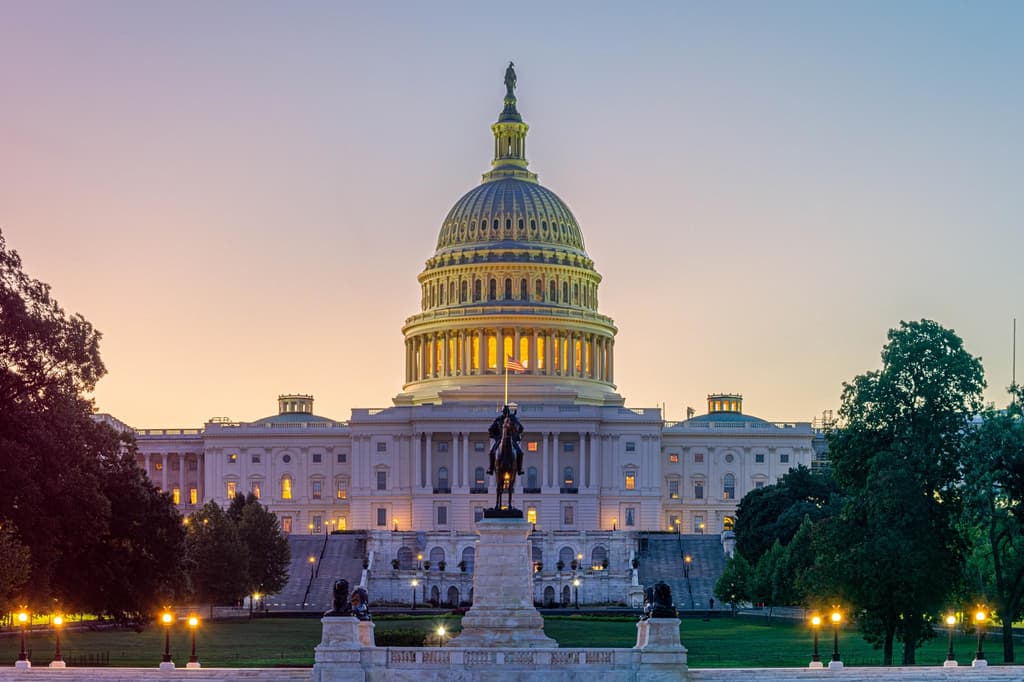

Cuidado con los enlaces externos.
Cuidado con los enlaces externos.
Preguntas frecuentes