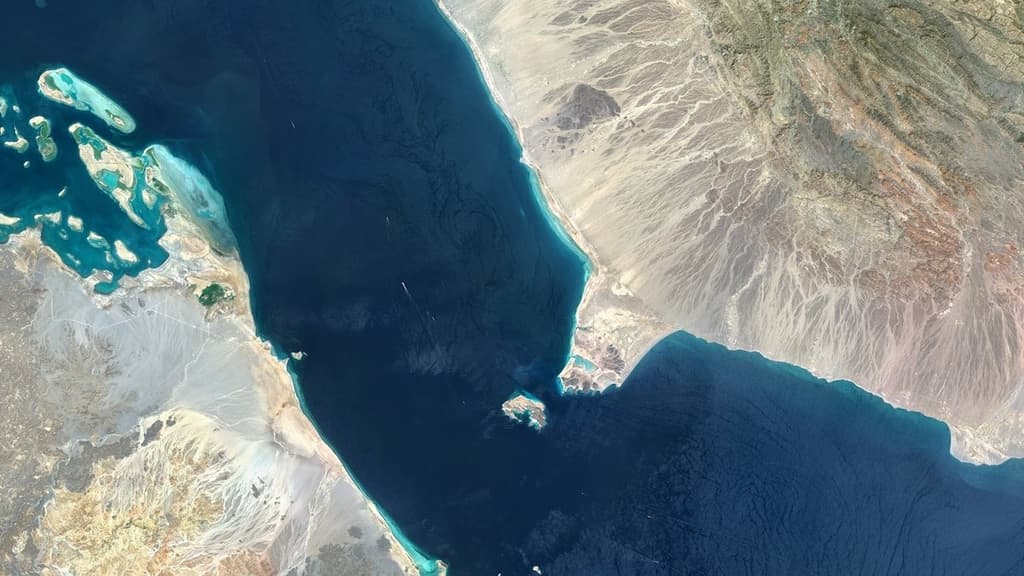
Ongoing geopolitical tensions tied to the 2026 Iran conflict and Houthi threats continue to weigh on Bab el-Mandeb transits, with shipping lines weighing rerouting costs against elevated insurance premiums and security risks. Trader consensus, reflected in the near-even 40-41% implied probabilities across the 220-260+ weekly bins, highlights uncertainty over whether recent modest stabilization—following sharp post-2023 declines—will hold into the July 20 week or face further disruption from potential escalations. Key swing factors include naval escort availability, any Iranian proxy actions, and freight rate responses to risk signals. Market-implied odds embed the wisdom of crowds assessing these fluid dynamics without assuming resolution.
Experimental AI-generated summary referencing Polymarket data. This is not trading advice and plays no role in how this market resolves. · UpdatedHow many ships transit Bab el-Mandeb Strait week of July 20?
How many ships transit Bab el-Mandeb Strait week of July 20?
220-229 42%
240-249 42%
250-259 42%
230-239 42%
NEW
NEW
Jul 26, 2026
<220
41%
220-229
42%
230-239
42%
240-249
42%
250-259
42%
260+
39%
220-229 42%
240-249 42%
250-259 42%
230-239 42%
NEW
NEW
Jul 26, 2026
<220
$0 Vol.
41%
220-229
$0 Vol.
42%
230-239
$0 Vol.
42%
240-249
$0 Vol.
42%
250-259
$0 Vol.
42%
260+
$44 Vol.
39%
This market will resolve according to the total number of transit calls that IMF Portwatch reports for the Bab el-Mandeb Strait for all days from July 20, 2026, through July 26, 2026, inclusive.
Transit calls include container, dry bulk, roll-on/roll-off, general cargo, and tanker ships. Ships not reported by IMF Portwatch will not be considered.
This market will resolve as soon as all relevant data has been published. If the relevant data is not published within 14 calendar days of the specified date, this market will resolve based on the most recent data published up to that point.
In case of obvious data integrity issues (i.e., erroneous data), the market may remain open until the end of the third calendar day (ET) after the date on which such data is first released to allow for corrections. Data integrity issues refer only to clerical or other similar errors in the underlying data, and do not include cases where IMF Portwatch differs from alternative sources.
Only revisions to previously published data points made before all relevant data has been published will be considered.
The resolution source for this market will be IMF PortWatch, specifically the “Arrivals of Ships” data published for the Bab el-Mandeb Strait at https://portwatch.imf.org/pages/6b1814d64903461b98144a6cc25eb79c.
Ongoing geopolitical tensions tied to the 2026 Iran conflict and Houthi threats continue to weigh on Bab el-Mandeb transits, with shipping lines weighing rerouting costs against elevated insurance premiums and security risks. Trader consensus, reflected in the near-even 40-41% implied probabilities across the 220-260+ weekly bins, highlights uncertainty over whether recent modest stabilization—following sharp post-2023 declines—will hold into the July 20 week or face further disruption from potential escalations. Key swing factors include naval escort availability, any Iranian proxy actions, and freight rate responses to risk signals. Market-implied odds embed the wisdom of crowds assessing these fluid dynamics without assuming resolution.
This market will resolve according to the total number of transit calls that IMF Portwatch reports for the Bab el-Mandeb Strait for all days from July 20, 2026, through July 26, 2026, inclusive.
Transit calls include container, dry bulk, roll-on/roll-off, general cargo, and tanker ships. Ships not reported by IMF Portwatch will not be considered.
This market will resolve as soon as all relevant data has been published. If the relevant data is not published within 14 calendar days of the specified date, this market will resolve based on the most recent data published up to that point.
In case of obvious data integrity issues (i.e., erroneous data), the market may remain open until the end of the third calendar day (ET) after the date on which such data is first released to allow for corrections. Data integrity issues refer only to clerical or other similar errors in the underlying data, and do not include cases where IMF Portwatch differs from alternative sources.
Only revisions to previously published data points made before all relevant data has been published will be considered.
The resolution source for this market will be IMF PortWatch, specifically the “Arrivals of Ships” data published for the Bab el-Mandeb Strait at https://portwatch.imf.org/pages/6b1814d64903461b98144a6cc25eb79c.
Transit calls include container, dry bulk, roll-on/roll-off, general cargo, and tanker ships. Ships not reported by IMF Portwatch will not be considered.
This market will resolve as soon as all relevant data has been published. If the relevant data is not published within 14 calendar days of the specified date, this market will resolve based on the most recent data published up to that point.
In case of obvious data integrity issues (i.e., erroneous data), the market may remain open until the end of the third calendar day (ET) after the date on which such data is first released to allow for corrections. Data integrity issues refer only to clerical or other similar errors in the underlying data, and do not include cases where IMF Portwatch differs from alternative sources.
Only revisions to previously published data points made before all relevant data has been published will be considered.
The resolution source for this market will be IMF PortWatch, specifically the “Arrivals of Ships” data published for the Bab el-Mandeb Strait at https://portwatch.imf.org/pages/6b1814d64903461b98144a6cc25eb79c.
Market Opened: Jul 13, 2026, 11:14 PM ET
Volume
$44End Date
Jul 26, 2026Market Opened
Jul 13, 2026, 11:14 PM ETResolver
0x69c47De9D...This market will resolve according to the total number of transit calls that IMF Portwatch reports for the Bab el-Mandeb Strait for all days from July 20, 2026, through July 26, 2026, inclusive.
Transit calls include container, dry bulk, roll-on/roll-off, general cargo, and tanker ships. Ships not reported by IMF Portwatch will not be considered.
This market will resolve as soon as all relevant data has been published. If the relevant data is not published within 14 calendar days of the specified date, this market will resolve based on the most recent data published up to that point.
In case of obvious data integrity issues (i.e., erroneous data), the market may remain open until the end of the third calendar day (ET) after the date on which such data is first released to allow for corrections. Data integrity issues refer only to clerical or other similar errors in the underlying data, and do not include cases where IMF Portwatch differs from alternative sources.
Only revisions to previously published data points made before all relevant data has been published will be considered.
The resolution source for this market will be IMF PortWatch, specifically the “Arrivals of Ships” data published for the Bab el-Mandeb Strait at https://portwatch.imf.org/pages/6b1814d64903461b98144a6cc25eb79c.
Ongoing geopolitical tensions tied to the 2026 Iran conflict and Houthi threats continue to weigh on Bab el-Mandeb transits, with shipping lines weighing rerouting costs against elevated insurance premiums and security risks. Trader consensus, reflected in the near-even 40-41% implied probabilities across the 220-260+ weekly bins, highlights uncertainty over whether recent modest stabilization—following sharp post-2023 declines—will hold into the July 20 week or face further disruption from potential escalations. Key swing factors include naval escort availability, any Iranian proxy actions, and freight rate responses to risk signals. Market-implied odds embed the wisdom of crowds assessing these fluid dynamics without assuming resolution.
This market will resolve according to the total number of transit calls that IMF Portwatch reports for the Bab el-Mandeb Strait for all days from July 20, 2026, through July 26, 2026, inclusive.
Transit calls include container, dry bulk, roll-on/roll-off, general cargo, and tanker ships. Ships not reported by IMF Portwatch will not be considered.
This market will resolve as soon as all relevant data has been published. If the relevant data is not published within 14 calendar days of the specified date, this market will resolve based on the most recent data published up to that point.
In case of obvious data integrity issues (i.e., erroneous data), the market may remain open until the end of the third calendar day (ET) after the date on which such data is first released to allow for corrections. Data integrity issues refer only to clerical or other similar errors in the underlying data, and do not include cases where IMF Portwatch differs from alternative sources.
Only revisions to previously published data points made before all relevant data has been published will be considered.
The resolution source for this market will be IMF PortWatch, specifically the “Arrivals of Ships” data published for the Bab el-Mandeb Strait at https://portwatch.imf.org/pages/6b1814d64903461b98144a6cc25eb79c.
Transit calls include container, dry bulk, roll-on/roll-off, general cargo, and tanker ships. Ships not reported by IMF Portwatch will not be considered.
This market will resolve as soon as all relevant data has been published. If the relevant data is not published within 14 calendar days of the specified date, this market will resolve based on the most recent data published up to that point.
In case of obvious data integrity issues (i.e., erroneous data), the market may remain open until the end of the third calendar day (ET) after the date on which such data is first released to allow for corrections. Data integrity issues refer only to clerical or other similar errors in the underlying data, and do not include cases where IMF Portwatch differs from alternative sources.
Only revisions to previously published data points made before all relevant data has been published will be considered.
The resolution source for this market will be IMF PortWatch, specifically the “Arrivals of Ships” data published for the Bab el-Mandeb Strait at https://portwatch.imf.org/pages/6b1814d64903461b98144a6cc25eb79c.
Volume
$44End Date
Jul 26, 2026Market Opened
Jul 13, 2026, 11:14 PM ETResolver
0x69c47De9D...Ongoing geopolitical tensions tied to the 2026 Iran conflict and Houthi threats continue to weigh on Bab el-Mandeb transits, with shipping lines weighing rerouting costs against elevated insurance premiums and security risks. Trader consensus, reflected in the near-even 40-41% implied probabilities across the 220-260+ weekly bins, highlights uncertainty over whether recent modest stabilization—following sharp post-2023 declines—will hold into the July 20 week or face further disruption from potential escalations. Key swing factors include naval escort availability, any Iranian proxy actions, and freight rate responses to risk signals. Market-implied odds embed the wisdom of crowds assessing these fluid dynamics without assuming resolution.
Experimental AI-generated summary referencing Polymarket data. This is not trading advice and plays no role in how this market resolves. · Updated
Beware of external links.
Beware of external links.
Frequently Asked Questions