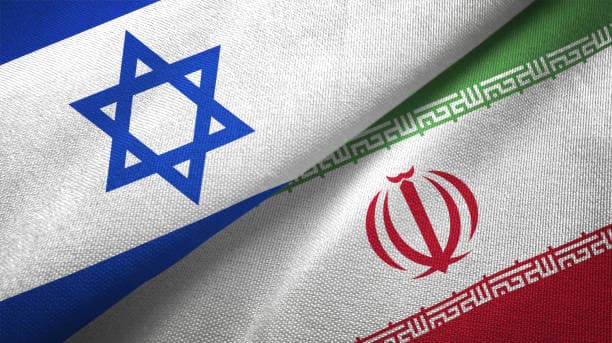
Ongoing negotiations between the United States, Israel, and Iran remain centered on extending the fragile April 2026 ceasefire mediated by Pakistan amid the broader conflict that began in late February. Recent proposals exchanged in early May have been rejected by both sides, with U.S. officials citing unacceptable terms on nuclear enrichment limits, removal of highly enriched uranium stockpiles, and restrictions in the Strait of Hormuz, while Iranian negotiators have pushed for sanctions relief, force withdrawals, and a broader end to hostilities including related fronts in Lebanon. Israeli Prime Minister Benjamin Netanyahu has emphasized coordination with Washington on core demands such as dismantling enrichment capabilities and curbing proxy support. These developments, alongside the continued U.S. naval blockade and intermittent exchanges, represent the primary drivers shaping trader assessments of whether a permanent peace agreement can be finalized within any specified timeline.
基於Polymarket數據的AI實驗性摘要。這不是交易建議,也不影響該市場的結算方式。 · 更新於$936,855 交易量
May 31
3%
6月30日
13%
$936,855 交易量
May 31
3%
6月30日
13%
A permanent peace deal refers to any agreement which explicitly indicates that military hostilities between Israel and Iran have ended or will permanently cease, or uses equivalent language clearly signaling a lasting end to military hostilities between Israel and Iran. Agreements that are explicitly temporary or which do not include a definitive agreement to end military hostilities between Israel and Iran on a lasting basis (e.g. a temporary extension of a previously announced ceasefire agreement), will not qualify.
A qualifying agreement will be considered to have been established if either of the following conditions are met:
- Israel and Iran each sign or formally adopt a written agreement (e.g. a treaty or multi-point agreement) which meets the above criteria.
- Both Israel and Iran provide clear public confirmation that a qualifying agreement has been definitively established. Negotiations, statements of progress, or other statements which do not constitute a definitive announcement that a qualifying agreement has been reached will not count.
The inclusion of Israel and Iran in a qualifying peace deal between multiple parties will qualify.
The primary resolution source for this market will be official information from the governments of Israel and Iran; however, a consensus of credible reporting may also be used.
市場開放時間: Apr 16, 2026, 7:49 PM ET
Resolver
0x65070BE91...A permanent peace deal refers to any agreement which explicitly indicates that military hostilities between Israel and Iran have ended or will permanently cease, or uses equivalent language clearly signaling a lasting end to military hostilities between Israel and Iran. Agreements that are explicitly temporary or which do not include a definitive agreement to end military hostilities between Israel and Iran on a lasting basis (e.g. a temporary extension of a previously announced ceasefire agreement), will not qualify.
A qualifying agreement will be considered to have been established if either of the following conditions are met:
- Israel and Iran each sign or formally adopt a written agreement (e.g. a treaty or multi-point agreement) which meets the above criteria.
- Both Israel and Iran provide clear public confirmation that a qualifying agreement has been definitively established. Negotiations, statements of progress, or other statements which do not constitute a definitive announcement that a qualifying agreement has been reached will not count.
The inclusion of Israel and Iran in a qualifying peace deal between multiple parties will qualify.
The primary resolution source for this market will be official information from the governments of Israel and Iran; however, a consensus of credible reporting may also be used.
Resolver
0x65070BE91...Ongoing negotiations between the United States, Israel, and Iran remain centered on extending the fragile April 2026 ceasefire mediated by Pakistan amid the broader conflict that began in late February. Recent proposals exchanged in early May have been rejected by both sides, with U.S. officials citing unacceptable terms on nuclear enrichment limits, removal of highly enriched uranium stockpiles, and restrictions in the Strait of Hormuz, while Iranian negotiators have pushed for sanctions relief, force withdrawals, and a broader end to hostilities including related fronts in Lebanon. Israeli Prime Minister Benjamin Netanyahu has emphasized coordination with Washington on core demands such as dismantling enrichment capabilities and curbing proxy support. These developments, alongside the continued U.S. naval blockade and intermittent exchanges, represent the primary drivers shaping trader assessments of whether a permanent peace agreement can be finalized within any specified timeline.
基於Polymarket數據的AI實驗性摘要。這不是交易建議,也不影響該市場的結算方式。 · 更新於
警惕外部連結哦。
警惕外部連結哦。
Frequently Asked Questions