
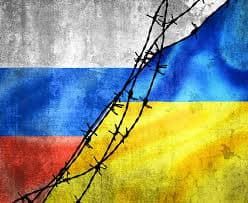
Putin’s consolidated authority, reinforced by his 2024 presidential victory and the United Russia party’s record parliamentary gains in the September 2026 elections, underpins trader expectations of continuity. The tightly managed vote excluded meaningful opposition and framed results as endorsement of the Ukraine campaign, despite Ukrainian drone strikes on energy infrastructure that have produced fuel shortages and acknowledged strains. No scheduled presidential contest occurs before 2030 under current constitutional rules, while internal succession discussions remain speculative and lack public momentum. Ongoing repression, elite cohesion around the war effort, and absence of acute health or coup signals sustain the market’s assessment of low near-term removal risk, even as economic pressures and battlefield developments continue.
Experimental AI-generated summary referencing Polymarket data. This is not trading advice and plays no role in how this market resolves. · UpdatedRussia holds tightly controlled parliamentary elections amid war and economic strain
December 31, 2026 dips to 5%3%
The 2026 parliamentary elections, held under Kremlin control, reinforced Putin's political dominance despite growing public discontent and war fatigue, signaling regime stability and reducing market odds of Putin's exit.
Putin's United Russia party wins parliamentary elections amid war fatigue
September 30, 2026 dips to 2%2%
Despite economic strain and war fatigue, Putin's party secured dominance in the State Duma, reinforcing his political control and reducing market expectations of his imminent departure.

Beware of external links.
Beware of external links.
Frequently Asked Questions