
The Islamic Republic consolidated power after Supreme Leader Ali Khamenei's death during early 2026 U.S.-Israeli strikes, with security forces containing protests and blocking any broad transition. Reza Pahlavi's campaign as a potential transitional figure for secular democracy lost momentum due to fragmented opposition groups, donor dissatisfaction, limited international backing, and questions over his domestic legitimacy after decades in exile. Polling shows divided support inside Iran, while the regime demonstrated resilience through mid-2026. Trader consensus at 96.9% against reflects these institutional and coordination barriers. Narrow pathways remain open via late-year escalations, coordinated uprisings, or negotiated power-sharing that could still shift the outcome by December 31.
Experimental AI-generated summary referencing Polymarket data. This is not trading advice and plays no role in how this market resolves. · UpdatedWill Reza Pahlavi lead Iran in 2026?
Will Reza Pahlavi lead Iran in 2026?
$11,700,859 Vol.
$11,700,859 Vol.
$11,700,859 Vol.
$11,700,859 Vol.
Reza Pahlavi will be considered to hold power if he exercises primary governing authority over the Iranian state during the specified timeframe, including effective control over the armed forces, national institutions, and core executive decision-making, regardless of formal title, constitutional designation, or international recognition.
Formal appointment, recognition by the United Nations, or recognition by foreign governments is not required.
Indicators of de facto authority may include control over the armed forces and security services; control over executive ministries and state administrative institutions; enforcement of national laws; issuance of binding national directives; and effective control over the capital and core state infrastructure.
Symbolic status, foreign recognition without domestic control, exile leadership without effective authority inside Iran, nomination without effective authority, or ceremonial or transitional status without governing control will not qualify.
If Iran experiences a period in which no individual exercises effective governing control, this will not alone qualify for a “Yes” resolution unless Reza Pahlavi subsequently meets the criteria above within the specified timeframe.
The primary resolution source for this market will be a consensus of credible reporting.
Market Opened: Feb 28, 2026, 10:36 PM ET
Resolver
0x65070BE91...Reza Pahlavi will be considered to hold power if he exercises primary governing authority over the Iranian state during the specified timeframe, including effective control over the armed forces, national institutions, and core executive decision-making, regardless of formal title, constitutional designation, or international recognition.
Formal appointment, recognition by the United Nations, or recognition by foreign governments is not required.
Indicators of de facto authority may include control over the armed forces and security services; control over executive ministries and state administrative institutions; enforcement of national laws; issuance of binding national directives; and effective control over the capital and core state infrastructure.
Symbolic status, foreign recognition without domestic control, exile leadership without effective authority inside Iran, nomination without effective authority, or ceremonial or transitional status without governing control will not qualify.
If Iran experiences a period in which no individual exercises effective governing control, this will not alone qualify for a “Yes” resolution unless Reza Pahlavi subsequently meets the criteria above within the specified timeframe.
The primary resolution source for this market will be a consensus of credible reporting.
Resolver
0x65070BE91...The Islamic Republic consolidated power after Supreme Leader Ali Khamenei's death during early 2026 U.S.-Israeli strikes, with security forces containing protests and blocking any broad transition. Reza Pahlavi's campaign as a potential transitional figure for secular democracy lost momentum due to fragmented opposition groups, donor dissatisfaction, limited international backing, and questions over his domestic legitimacy after decades in exile. Polling shows divided support inside Iran, while the regime demonstrated resilience through mid-2026. Trader consensus at 96.9% against reflects these institutional and coordination barriers. Narrow pathways remain open via late-year escalations, coordinated uprisings, or negotiated power-sharing that could still shift the outcome by December 31.
Experimental AI-generated summary referencing Polymarket data. This is not trading advice and plays no role in how this market resolves. · Updated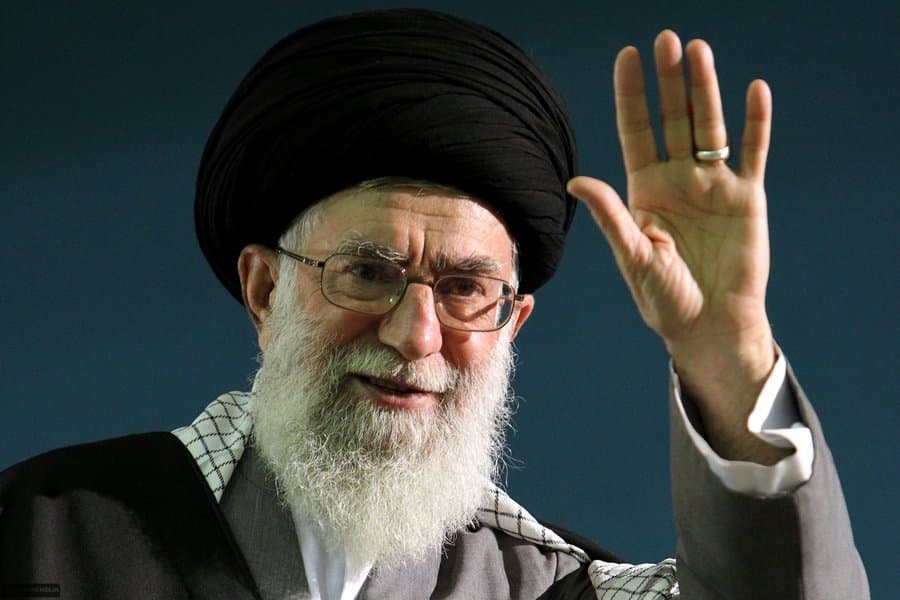

Beware of external links.
Beware of external links.
Frequently Asked Questions