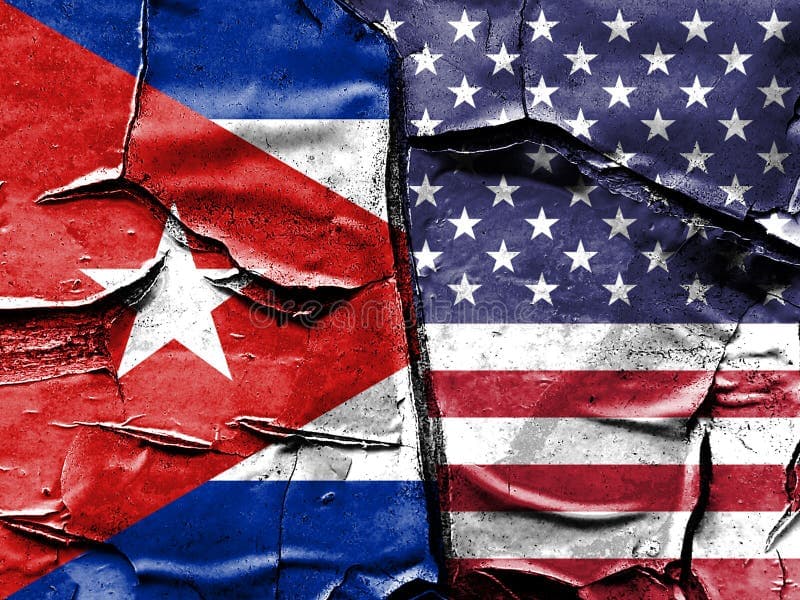
Ongoing U.S. military commitments in the Middle East, combined with Republican midterm losses and the prospect of divided government in 2027, have anchored trader consensus against a full-scale invasion of Cuba before year-end. Rhetoric from President Trump and Secretary of State Marco Rubio has included naval “stopover” threats and calls for Cuban cooperation with the CIA, while sanctions and economic pressure continue. These steps align with historical patterns of coercive diplomacy rather than direct intervention. Analysts note operational challenges, political risks at home, and the absence of a clear post-operation partner inside Cuba as key restraints. Late developments such as a major incident at Guantánamo, rapid escalation tied to Iran-related assets on the island, or an unexpected congressional authorization could still shift probabilities, though no such trigger has materialized.
Experimental AI-generated summary referencing Polymarket data. This is not trading advice and plays no role in how this market resolves. · UpdatedView resolved
Beware of external links.
Beware of external links.
Frequently Asked Questions