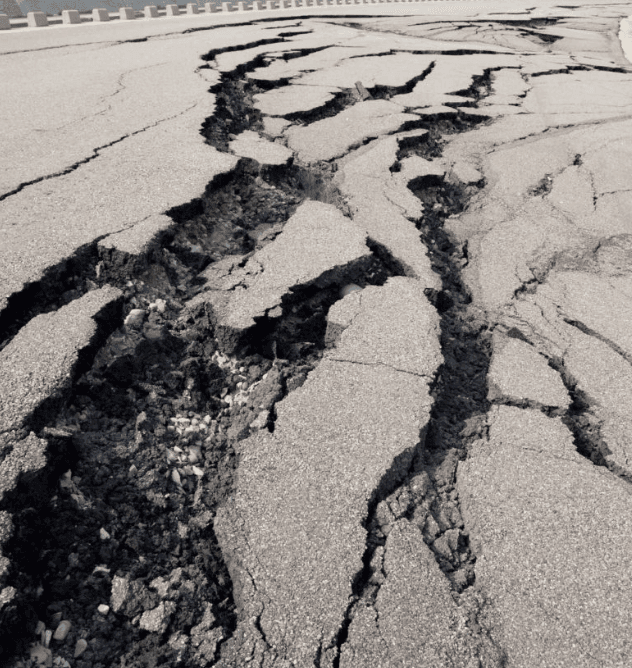
USGS monitoring shows no magnitude 7.0 or larger earthquake in California through mid-August 2026, with the largest event a 5.6 near Redwood Valley in June. Statewide recurrence rates from UCERF3 models indicate roughly one M6.7+ event every six to seven years on average, rendering a late-year M7+ rupture statistically unlikely in the remaining months. Elevated strain accumulates along the San Andreas and San Jacinto faults, yet no foreshock sequences or immediate precursors appear in current seismic data. Trader consensus at 97.4% for “No” reflects this short resolution window and absence of activity, though an unexpected large slip on a major fault system before December 31 remains a realistic, if low-probability, scenario that could alter the outcome.
基于Polymarket数据的AI实验性摘要。这不是交易建议,也不影响该市场的结算方式。 · 更新于加利福尼亚州会在2026年经历7.0级或以上的地震吗?
加利福尼亚州会在2026年经历7.0级或以上的地震吗?
The state of California includes the entirety of California as recognized under U.S. law including offshore areas within California's territorial boundaries. Earthquakes occurring on the California border must have their USGS-listed epicenter coordinates fall within California's boundaries.
Any individual event meeting the magnitude and location criteria resolves the market "Yes", regardless of whether it is classified as a mainshock, aftershock, or foreshock.
Resolution will be based on the USGS's final reviewed magnitude, not preliminary estimates, regardless of when that review is published, but the qualifying earthquake needs to have occurred within California by December 31, 2026 at 11:59:59 PM ET. This market will resolve based on official information from USGS, however, an overwhelming consensus of credible reporting confirming a qualifying earthquake may also resolve this market in an instance where USGS becomes unavailable.
市场开放时间: Jul 24, 2026, 2:32 PM ET
Resolver
0x65070BE91...The state of California includes the entirety of California as recognized under U.S. law including offshore areas within California's territorial boundaries. Earthquakes occurring on the California border must have their USGS-listed epicenter coordinates fall within California's boundaries.
Any individual event meeting the magnitude and location criteria resolves the market "Yes", regardless of whether it is classified as a mainshock, aftershock, or foreshock.
Resolution will be based on the USGS's final reviewed magnitude, not preliminary estimates, regardless of when that review is published, but the qualifying earthquake needs to have occurred within California by December 31, 2026 at 11:59:59 PM ET. This market will resolve based on official information from USGS, however, an overwhelming consensus of credible reporting confirming a qualifying earthquake may also resolve this market in an instance where USGS becomes unavailable.
Resolver
0x65070BE91...USGS monitoring shows no magnitude 7.0 or larger earthquake in California through mid-August 2026, with the largest event a 5.6 near Redwood Valley in June. Statewide recurrence rates from UCERF3 models indicate roughly one M6.7+ event every six to seven years on average, rendering a late-year M7+ rupture statistically unlikely in the remaining months. Elevated strain accumulates along the San Andreas and San Jacinto faults, yet no foreshock sequences or immediate precursors appear in current seismic data. Trader consensus at 97.4% for “No” reflects this short resolution window and absence of activity, though an unexpected large slip on a major fault system before December 31 remains a realistic, if low-probability, scenario that could alter the outcome.
基于Polymarket数据的AI实验性摘要。这不是交易建议,也不影响该市场的结算方式。 · 更新于

警惕外部链接哦。
警惕外部链接哦。
常见问题