
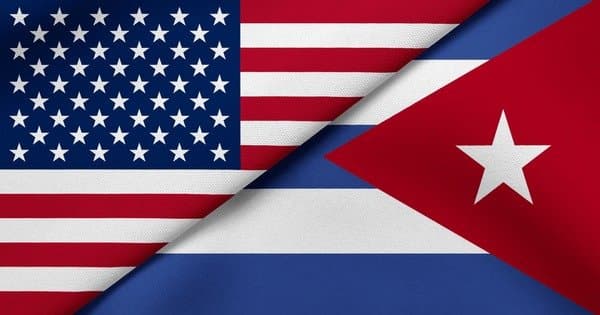
Heightened U.S. sanctions targeting Cuban oil imports and officials, combined with presidential statements framing the island as the next priority after Venezuela and Iran operations, have driven recent tensions. Yet official assessments indicate no imminent military planning, with active diplomatic channels—including a CIA-led delegation meeting Cuban counterparts in mid-May—prioritizing negotiations over confrontation. Traders appear to view maximum-pressure tactics, executive orders, and regional naval presence as tools for leverage rather than precursors to direct engagement, consistent with historical patterns of U.S. policy favoring economic coercion. This backdrop supports the current 59.5% implied probability on no clash occurring through the end of 2026.
Experimental AI-generated summary referencing Polymarket data. This is not trading advice and plays no role in how this market resolves. · UpdatedUS x Cuba military clash in 2026?
$109,376 Vol.
$109,376 Vol.
$109,376 Vol.
$109,376 Vol.
A "military encounter" is defined as any incident involving the use of force such as missile strikes, artillery fire, exchange of gunfire, or other forms of direct military engagement between US and Cuban military forces. Non-violent actions, such as warning shots, artillery fire into uninhabited areas, or missile launches that land in territorial waters or pass through airspace, will not qualify for a "Yes" resolution. Intentional ship ramming that results in significant damage to (e.g., a hole in the hull) or the sinking of a military ship by another will count toward a "Yes" resolution, however minor damage (scrapes, dents) will not.
Note: the United States Coast Guard is considered part of the United States military, and the Cuban Border Guard is considered part of the Cuban military.
The resolution source for this market will be a consensus of credible reporting.
Market Opened: Feb 25, 2026, 7:31 PM ET
Resolver
0x65070BE91...A "military encounter" is defined as any incident involving the use of force such as missile strikes, artillery fire, exchange of gunfire, or other forms of direct military engagement between US and Cuban military forces. Non-violent actions, such as warning shots, artillery fire into uninhabited areas, or missile launches that land in territorial waters or pass through airspace, will not qualify for a "Yes" resolution. Intentional ship ramming that results in significant damage to (e.g., a hole in the hull) or the sinking of a military ship by another will count toward a "Yes" resolution, however minor damage (scrapes, dents) will not.
Note: the United States Coast Guard is considered part of the United States military, and the Cuban Border Guard is considered part of the Cuban military.
The resolution source for this market will be a consensus of credible reporting.
Resolver
0x65070BE91...Heightened U.S. sanctions targeting Cuban oil imports and officials, combined with presidential statements framing the island as the next priority after Venezuela and Iran operations, have driven recent tensions. Yet official assessments indicate no imminent military planning, with active diplomatic channels—including a CIA-led delegation meeting Cuban counterparts in mid-May—prioritizing negotiations over confrontation. Traders appear to view maximum-pressure tactics, executive orders, and regional naval presence as tools for leverage rather than precursors to direct engagement, consistent with historical patterns of U.S. policy favoring economic coercion. This backdrop supports the current 59.5% implied probability on no clash occurring through the end of 2026.
Experimental AI-generated summary referencing Polymarket data. This is not trading advice and plays no role in how this market resolves. · Updated


Beware of external links.
Frequently Asked Questions