
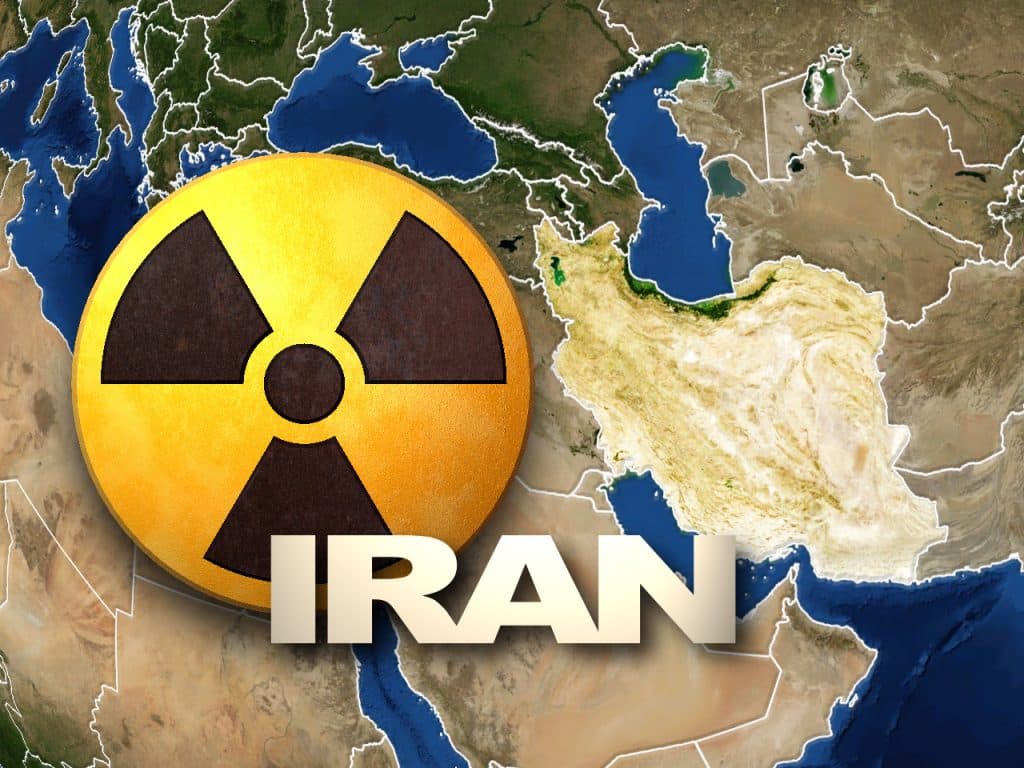
Recent U.S. and Israeli strikes on Iranian nuclear sites, including Natanz, Fordow, Isfahan, and related facilities in June 2025 and February–March 2026, have damaged enrichment infrastructure and set back timelines for weaponization activities, according to IAEA assessments and U.S. intelligence. Ongoing IAEA monitoring shows no structured nuclear weapons program or major shifts in stockpiles despite the conflict, with Iran focused on concealment, sealing tunnels, and limited rebuilding efforts at deeply buried locations. These verified setbacks, combined with sustained sanctions, diplomatic isolation, and risks of additional military action, underpin trader consensus that Iran lacks the operational capacity for a nuclear test before 2027.
Experimental AI-generated summary referencing Polymarket data. This is not trading advice and plays no role in how this market resolves. · UpdatedIran nuclear test before 2027?
$246,340 Vol.
$246,340 Vol.
$246,340 Vol.
$246,340 Vol.
A nuclear test is defined as the intentional non-combat detonation of a device by Iran that produces a nuclear chain reaction (fission or fusion), regardless of yield.
Accidents, radiological dispersal devices (bombs that spread radioactive material using conventional explosives such as "dirty bombs"), or actions by third parties will not count toward this market's resolution.
Tests not explicitly claimed by Iran may still qualify if a clear consensus of credible reporting attributes the nuclear detonation to Iran. For example, an unclaimed nuclear test analogous to the 1979 "Vela Incident" would count if credible reporting attributes it to Iran.
The resolution source for this market will be a broad consensus of credible reporting.
Market Opened: Nov 5, 2025, 2:43 PM ET
Resolver
0x65070BE91...A nuclear test is defined as the intentional non-combat detonation of a device by Iran that produces a nuclear chain reaction (fission or fusion), regardless of yield.
Accidents, radiological dispersal devices (bombs that spread radioactive material using conventional explosives such as "dirty bombs"), or actions by third parties will not count toward this market's resolution.
Tests not explicitly claimed by Iran may still qualify if a clear consensus of credible reporting attributes the nuclear detonation to Iran. For example, an unclaimed nuclear test analogous to the 1979 "Vela Incident" would count if credible reporting attributes it to Iran.
The resolution source for this market will be a broad consensus of credible reporting.
Resolver
0x65070BE91...Recent U.S. and Israeli strikes on Iranian nuclear sites, including Natanz, Fordow, Isfahan, and related facilities in June 2025 and February–March 2026, have damaged enrichment infrastructure and set back timelines for weaponization activities, according to IAEA assessments and U.S. intelligence. Ongoing IAEA monitoring shows no structured nuclear weapons program or major shifts in stockpiles despite the conflict, with Iran focused on concealment, sealing tunnels, and limited rebuilding efforts at deeply buried locations. These verified setbacks, combined with sustained sanctions, diplomatic isolation, and risks of additional military action, underpin trader consensus that Iran lacks the operational capacity for a nuclear test before 2027.
Experimental AI-generated summary referencing Polymarket data. This is not trading advice and plays no role in how this market resolves. · Updated


Beware of external links.
Frequently Asked Questions