

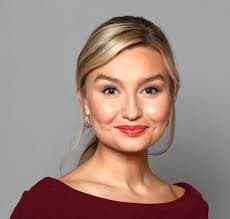


Sweden’s September 13 general election delivered a narrow 176-173 seat majority for the centre-left opposition bloc, prompting outgoing Prime Minister Ulf Kristersson to resign and clearing the path for Social Democratic leader Magdalena Andersson to lead government formation talks. The final tally confirmed the Social Democrats as the largest party despite modest seat losses, while the Sweden Democrats recorded their first general-election decline in decades. Andersson has begun negotiations with the Left, Centre and Green parties, though differences over cabinet posts and policy priorities could extend the process into late September or beyond. Traders assign her an overwhelming implied probability as the next prime minister, with only slim residual odds attached to Kristersson should coalition talks collapse. The new Riksdag convenes on September 28, with the earliest possible vote on a prime minister candidate set for September 29.
Experimental AI-generated summary referencing Polymarket data. This is not trading advice and plays no role in how this market resolves. · UpdatedMagdalena Andersson declares availability to form new government
Following the election, Andersson met with the parliamentary speaker and declared herself available to form a new government, initiating coalition talks and solidifying her position as the likely next prime minister, supporting market confidence in her appointment.
Magdalena Andersson begins coalition talks to form new government
After the election victory, opposition leader Magdalena Andersson officially started negotiations with other parties in her bloc to form a coalition government, emphasizing the need for cooperation and putting Sweden's interests first.


Beware of external links.
Beware of external links.
Frequently Asked Questions