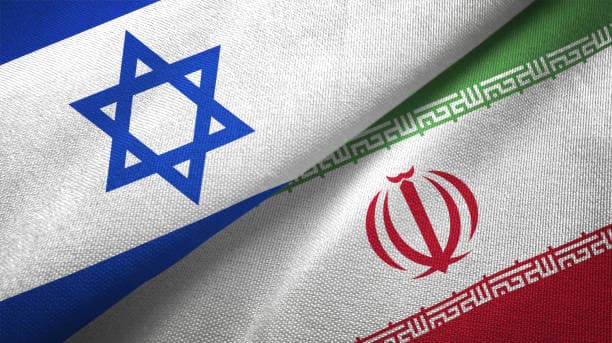
Ongoing diplomatic efforts between the United States, Israel, and Iran remain stalled following the April 2026 Pakistan-mediated ceasefire that halted direct military exchanges after weeks of strikes targeting Iranian nuclear and ballistic sites. President Trump rejected Tehran's most recent proposal in mid-May, citing insufficient concessions on enriched uranium stockpiles and enrichment facilities, while Israeli Prime Minister Netanyahu emphasized that any lasting agreement requires full dismantlement of those capabilities plus curbs on proxy support and missile programs. Negotiations continue through intermediaries amid disputes over sanctions relief, naval blockades, and Strait of Hormuz access, with both sides accusing the other of unreasonable demands. These unresolved core issues, including regime security guarantees and nuclear limits, continue to shape trader assessments of whether a permanent bilateral peace accord can be finalized by the market's resolution date.
Experimental AI-generated summary referencing Polymarket data. This is not trading advice and plays no role in how this market resolves. · UpdatedIsrael x Iran permanent peace deal by...?
Israel x Iran permanent peace deal by...?
$936,934 Vol.
May 31
3%
June 30
13%
$936,934 Vol.
May 31
3%
June 30
13%
A permanent peace deal refers to any agreement which explicitly indicates that military hostilities between Israel and Iran have ended or will permanently cease, or uses equivalent language clearly signaling a lasting end to military hostilities between Israel and Iran. Agreements that are explicitly temporary or which do not include a definitive agreement to end military hostilities between Israel and Iran on a lasting basis (e.g. a temporary extension of a previously announced ceasefire agreement), will not qualify.
A qualifying agreement will be considered to have been established if either of the following conditions are met:
- Israel and Iran each sign or formally adopt a written agreement (e.g. a treaty or multi-point agreement) which meets the above criteria.
- Both Israel and Iran provide clear public confirmation that a qualifying agreement has been definitively established. Negotiations, statements of progress, or other statements which do not constitute a definitive announcement that a qualifying agreement has been reached will not count.
The inclusion of Israel and Iran in a qualifying peace deal between multiple parties will qualify.
The primary resolution source for this market will be official information from the governments of Israel and Iran; however, a consensus of credible reporting may also be used.
Market Opened: Apr 16, 2026, 7:49 PM ET
Resolver
0x65070BE91...A permanent peace deal refers to any agreement which explicitly indicates that military hostilities between Israel and Iran have ended or will permanently cease, or uses equivalent language clearly signaling a lasting end to military hostilities between Israel and Iran. Agreements that are explicitly temporary or which do not include a definitive agreement to end military hostilities between Israel and Iran on a lasting basis (e.g. a temporary extension of a previously announced ceasefire agreement), will not qualify.
A qualifying agreement will be considered to have been established if either of the following conditions are met:
- Israel and Iran each sign or formally adopt a written agreement (e.g. a treaty or multi-point agreement) which meets the above criteria.
- Both Israel and Iran provide clear public confirmation that a qualifying agreement has been definitively established. Negotiations, statements of progress, or other statements which do not constitute a definitive announcement that a qualifying agreement has been reached will not count.
The inclusion of Israel and Iran in a qualifying peace deal between multiple parties will qualify.
The primary resolution source for this market will be official information from the governments of Israel and Iran; however, a consensus of credible reporting may also be used.
Resolver
0x65070BE91...Ongoing diplomatic efforts between the United States, Israel, and Iran remain stalled following the April 2026 Pakistan-mediated ceasefire that halted direct military exchanges after weeks of strikes targeting Iranian nuclear and ballistic sites. President Trump rejected Tehran's most recent proposal in mid-May, citing insufficient concessions on enriched uranium stockpiles and enrichment facilities, while Israeli Prime Minister Netanyahu emphasized that any lasting agreement requires full dismantlement of those capabilities plus curbs on proxy support and missile programs. Negotiations continue through intermediaries amid disputes over sanctions relief, naval blockades, and Strait of Hormuz access, with both sides accusing the other of unreasonable demands. These unresolved core issues, including regime security guarantees and nuclear limits, continue to shape trader assessments of whether a permanent bilateral peace accord can be finalized by the market's resolution date.
Experimental AI-generated summary referencing Polymarket data. This is not trading advice and plays no role in how this market resolves. · Updated

Beware of external links.
Beware of external links.
Frequently Asked Questions